21

Understanding the Link Between Gut Health, Mental Well-being, and Diet

In the quest for mental wellness, the microbiome stands as a key player, intricately connected to our mental state. Dr. Rasha El Naggar of Etara Wellness brings to light the profound impact of these microscopic organisms on mental health. This comprehensive guide sheds light on the significance of microbiomes, how they influence mental health, and dietary recommendations to improve your mental well-being.

What is the Human Microbiome?

The human microbiome, composed of trillions of bacteria, viruses, fungi, and other microorganisms, plays an essential role in our overall health, including mental well-being. These microorganisms are not just passive inhabitants, they actively participate in vital processes like digestion, immune regulation, and even the synthesis of crucial vitamins.

Why are Microbiomes Important?

  • Digestion and Nutrient Absorption – Microbiomes are essential for breaking down complex nutrients, aiding in digestion, and enabling the absorption of vital nutrients, including vitamins and minerals.
  • Balance Gut-Brain Axis – Microbiomes contribute to the intricate gut-brain axis, influencing emotions and behaviors, and potentially playing a role in mood disorders.
  • Immune Support – They act as guardians of the immune system, defending against harmful pathogens and contributing to overall immune health.
  • Vitamin Production – Microbiomes synthesize essential vitamins, such as Vitamin K, that play crucial roles in bodily functions.

The Gut-Brain Connection

The intricate relationship between the gut and the brain plays a pivotal role in our mental health, illustrating how deeply our mental state is intertwined with the health of our gut microbiome. Stress can significantly disrupt this balance, altering the gut microbiome and, consequently, affecting how our bodies and minds respond to stressors. On the flip side, a well-balanced microbiome can bolster our resilience against stress, a critical factor in mitigating conditions like anxiety and depression.

Central to understanding this connection is the gut-brain axis, a complex communication network that connects the gastrointestinal tract with the brain. This bi-directional communication system significantly influences our emotions and behaviors and has implications for mental health disorders such as anxiety and depression.

Adding to this complexity is the role of the gut microbiome in producing neurotransmitters, such as serotonin, which directly impact our mood and emotional well-being. This production underscores the microbiome’s influence beyond digestion, highlighting its capacity to affect mental health directly. Thus, maintaining a healthy gut microbiome becomes not just a matter of physical health but a crucial component of mental wellness, emphasizing the need for dietary choices, stress management techniques, and lifestyle habits that support both gut and brain health.

Understanding Gut Microbiome Imbalance and Its Impact

Changes in diet, stress, antibiotics, and more can disrupt the gut microbiome’s delicate balance, leading to dysbiosis. In a healthy gut, a specialized barrier allows nutrients to pass while keeping out harmful particles. However, dysbiosis can make this barrier more permeable, often called ‘leaky gut syndrome.’ This allows unwanted bacteria and molecules into the bloodstream.

Dysbiosis has broad consequences –

  • Inflammatory Bowel Disease
  • Diabetes
  • Asthma
  • Anxiety and Depression

These conditions highlight the intricate link between gut health, immune responses, and mental well-being, emphasizing the need to maintain a balanced gut microbiome for overall health and potential therapeutic strategies.

Probiotics and Mental Health

A topic that Dr. Rasha El Naggar often highlights is the beneficial role of probiotics in mental health. Probiotics are live microorganisms, primarily bacteria, which, when administered in adequate amounts, confer a health benefit on the host. These beneficial bacteria can be found in fermented foods like yogurt, kefir, sauerkraut, and kombucha, or taken as dietary supplements. Studies suggest that probiotics can positively impact mental health by reducing symptoms of depression and anxiety, improving stress response, and enhancing mood. This is partly attributed to their ability to modulate the gut-brain axis, improve gut health, and reduce inflammation, which is often linked to several mental health disorders.

Diet’s Influence on the Microbiome and Mental Health – A Naturopathic Approach to Treatment

The impact of diet on the microbiome and, consequently, on mental health is profound. Dr. Rasha El Naggar emphasizes the significance of a nutritious diet for maintaining a balanced gut microbiome. A diet rich in diverse, whole foods not only nurtures the gut flora but also aids in the production of neurotransmitters that regulate mental health. The connection between what we eat and how we feel, both physically and emotionally, is intricately tied to the health of our gut microbiome.

Here, with insights from Dr. Rasha El Naggar, explore a comprehensive list of dietary recommendations to boost your gut health and nurture a positive impact on your mental health.

  • Nutrient-Rich Diet –  Include a wide range of foods, especially plant-based options. Different foods support specific beneficial gut bacteria, which can contribute to a more positive mood.
  • High-Fiber Foods – Consume plenty of vegetables, fruits, beans, legumes, and whole grains. These foods are rich in fiber, which acts as a prebiotic, nourishing the good bacteria in your gut.
  • Fermented Foods– Add fermented foods like yogurt, kefir, sauerkraut, kimchi, kombucha, tempeh, miso, natto, and sourdough. These probiotic-rich foods promote gut health, potentially reducing symptoms of anxiety and depression.
  • Polyphenol-Rich Foods – Eat foods high in polyphenols, such as dark chocolate, tea (black and green), coffee, berries (like blueberries and blackberries), olives, and nuts (like almonds and walnuts).  Polyphenols encourage the growth of beneficial gut bacteria and act as antioxidants, safeguarding against stress linked to mental health issues.
  • Lean Proteins for Gut and Mind – Choose lean protein sources like fish, poultry, and plant-based options like lentils and chickpeas. These choices are gentler on your gut and provide essential amino acids for mood regulation.
  • Healthy Fats – Incorporate healthy fats like avocados, olive oil, and fatty fish (like salmon). These fats support gut health and are associated with improved mental well-being.
  • Herbs and Spices – Enhance your dishes with herbs and spices like basil, rosemary, turmeric, ginger, and cinnamon. Many of these contain compounds with anti-inflammatory properties, potentially reducing symptoms of anxiety and depression.
  • Stay Hydrated for Mental Clarity – Keep well-hydrated by drinking plenty of water throughout the day. Proper hydration fosters a healthy gut environment and is vital for optimal cognitive function.
  • Limit Processed Foods – Reduce your consumption of highly processed foods, sugars, and artificial sweeteners. These dietary choices can disrupt your gut microbiome balance, potentially affecting your mood.
  • Moderate Alcohol Consumption – If you consume alcohol, do so moderately. Excessive alcohol intake can negatively affect gut health and emotional well-being.
  • Probiotic Supplements – Consider taking probiotic supplements, especially if you’ve recently taken antibiotics or if your diet lacks fermented foods.

By following these dietary recommendations, you’ll not only nurture a healthier gut microbiome but also support emotional resilience and well-being. 

Remember, a happy gut often leads to a happier mind!

Balanced Lifestyle Tips for Gut Health and Mental Well-being

In addition to diet, Dr. Rasha El Naggar from Etara Wellness points out the importance of other lifestyle factors like stress management, quality sleep, and regular exercise in impacting our gut flora. 

  • Sleep Smart: Prioritize quality sleep by establishing a consistent bedtime routine and minimizing screen time before bed to enhance both mental and gut health.
  • Allocate Time for Hobbies: Engage regularly in activities or hobbies that you enjoy and find relaxing. This can serve as an effective stress relief, breaking up the routine and providing a sense of fulfillment and joy outside of work and daily responsibilities.
  • Meal Prep Weekly: Dedicate a couple of hours each weekend to prepare and store meals. Having ready-to-eat healthy meals can save time and ensure you maintain a balanced diet.
  • Incorporate Short Workouts: Fit in short, high-intensity workouts or 10-minute yoga sessions into your day to stay active without needing a big time commitment.
  • Choose Healthy Snacks: Stock up on easy-to-carry, nutritious snacks like nuts, fruits, or yogurt to avoid unhealthy choices when you’re hungry and busy.
  • Practice Mini-Mindfulness Sessions: Use 5-minute breaks for deep breathing or mindfulness exercises to reduce stress and improve mental clarity.
  • Hydrate Regularly: Keep a water bottle handy and sip throughout the day to stay hydrated, supporting overall health and aiding digestion.
  • Opt for Probiotic and Prebiotic Foods: Include foods like kefir, yogurt, bananas, and garlic in your diet to support gut health and enhance your mood.
  • Plan Active Meetings: If possible, conduct meetings while walking, either in person or over the phone, to stay active during work hours.
  • Use Technology Wisely: Leverage apps for meal planning, meditation, and exercise to efficiently integrate healthful habits into your daily life.

These tips are designed to be practical and manageable, allowing you to gradually improve your lifestyle without feeling overwhelmed.

Dr. Rasha’s insights into the microbiome’s role in mental well-being offer valuable guidance for enhancing both physical and mental health. Understanding and managing these aspects of our daily lives can contribute immensely to overall well-being. She emphasizes the importance of taking proactive steps to support the gut-brain axis through a balanced diet and holistic wellness practices. Begin your journey to improved mental well-being with Dr. Rasha’s expert advice, and adopt the strategies that promote a balanced lifestyle for optimal gut health and mental wellness.

CLAIM YOUR 15 MINUTES FREE PHONE CALL


Disclaimer: This content is for educational purposes only and not intended as medical advice. Consult a healthcare professional for any medical concerns.
 

19

Thyroid Disease – Causes, Symptoms, Diagnosis and Treatment

Why is the thyroid gland so crucial to our health, and what happens when it doesn’t function correctly? These are questions that often go unanswered in our daily lives. Guided by the expertise of Dr. Rasha El Naggar from Etara Wellness, this blog aims to demystify the thyroid – a small gland with a significant impact on our overall well-being. 

From understanding its basic functions to recognizing the signs of dysfunction, we’ll delve into everything you need to know about thyroid health.

What is the Thyroid?

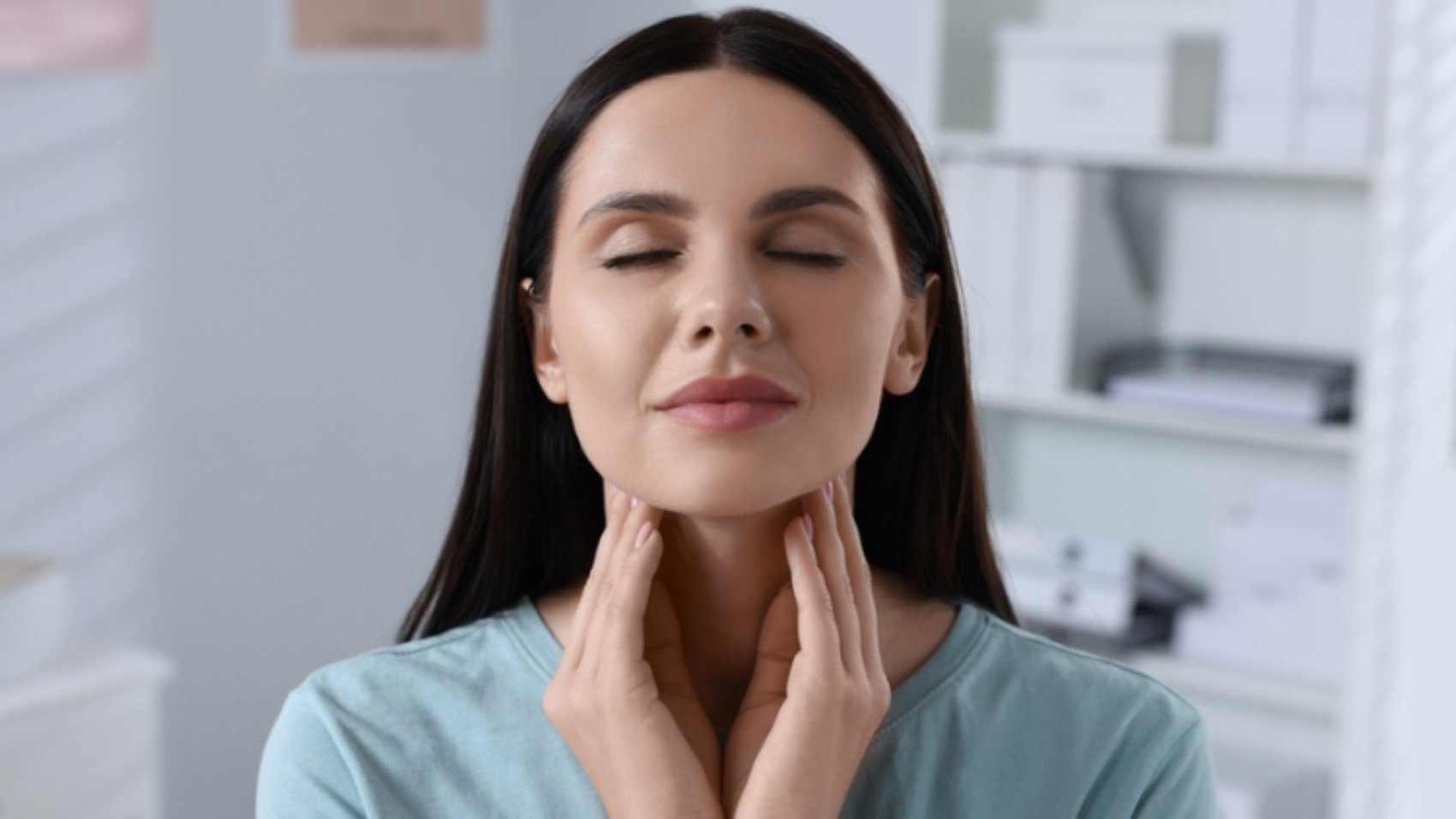
The thyroid gland, a small butterfly-shaped organ nestled at the front of the neck, is a powerhouse of activity vital to our overall health. Its influence extends far beyond its size, impacting numerous bodily functions that are essential for our well-being.

Comprehensive Functions of the Thyroid Gland

  • Hormonal Production and Regulation – The thyroid produces thyroxine (T4) and triiodothyronine (T3), hormones crucial for regulating the body’s metabolic rate, heart rate, temperature, and energy levels.
  • Metabolic Mastery – Acting as the body’s thermostat, it meticulously regulates metabolism, thereby influencing weight management, energy expenditure, and temperature control.
  • Protein Synthesis – It plays a significant role in protein synthesis, which is fundamental for the growth, repair, and maintenance of various tissues in the body.
  • Carbohydrate and Fat Metabolism – The thyroid hormones directly affect how the body metabolizes carbohydrates and fats, impacting weight and energy levels.
  • Neurological Influence – From brain development in infants and children to cognitive functioning in adults, the thyroid hormones are integral to a healthy nervous system.
  • Cholesterol Management – By regulating cholesterol levels, the thyroid contributes to heart health and the prevention of related diseases.
  • Reproductive Health – Particularly in women, thyroid hormones influence menstrual cycles, fertility, and overall reproductive health.
  • Endocrine Interaction – The thyroid works in harmony with other endocrine glands, particularly the pituitary gland, ensuring a balanced hormonal environment in the body.

The thyroid’s myriad functions make it a critical component of our body’s endocrine system. Its proper functioning is essential for maintaining balance and health across various physiological aspects. Dr. Rasha El Naggar emphasizes the importance of understanding and maintaining thyroid health as a cornerstone of overall wellness.

What is Thyroid disease?

Thyroid disease refers to a spectrum of disorders that affect the thyroid gland’s ability to function correctly. This small, butterfly-shaped gland in the neck plays a crucial role in regulating the body’s metabolism through the production of hormones. When these hormone levels are imbalanced, it leads to thyroid disease.

Thyroid diseases primarily manifest in two forms based on hormone production –

  • Hyperthyroidism – This is the condition where the thyroid is overactive, producing excess thyroid hormones. As a result, the body’s metabolism accelerates abnormally. Symptoms include rapid heart rate, weight loss, heightened energy consumption, and feelings of anxiety or nervousness.
  • Hypothyroidism – In contrast, hypothyroidism occurs when the thyroid gland is underactive, leading to insufficient production of thyroid hormones. This slowdown in metabolic processes can cause fatigue, weight gain, and a decreased ability to tolerate cold temperatures.

Causes of Thyroid Disease

Thyroid disease can arise from various conditions, each affecting the gland’s functionality differently –

  • Thyroiditis – This refers to the inflammation of the thyroid gland, which can lower hormone production. It can be a temporary condition or part of a chronic issue, impacting thyroid function significantly.
  • Iodine Deficiency – Iodine is a critical element used by the thyroid to produce hormones. An iodine deficiency can severely impact hormone production.
  • Hashimoto’s Thyroiditis – A common cause of hypothyroidism, this autoimmune disorder leads the body’s immune system to attack the thyroid gland, gradually impairing its ability to produce hormones.
  • Postpartum Thyroiditis – Some women experience thyroiditis after childbirth, which can be a temporary condition affecting hormone levels.

For hyperthyroidism, some common causes include –

  • Graves’ Disease – This autoimmune disorder results in the overproduction of thyroid hormones, affecting the entire thyroid gland.
  • Thyroid Nodules – Overactive nodules within the thyroid can independently produce thyroid hormones, leading to an excess.
  • Excessive Iodine – An overload of iodine in the body, possibly due to certain medications or dietary sources, can cause the thyroid to produce too many hormones.

Thyroid disease is a common health issue, affecting millions globally. It can occur in individuals of any age, gender, or ethnic background, though it is more prevalent in women, particularly after menopause. Risk factors include a family history of thyroid disease, certain autoimmune conditions, high iodine medication usage, being over 60, especially for women, and prior thyroid treatments or thyroid cancer.

Recognizing the Symptoms of Thyroid Disease

Thyroid disease can be challenging to diagnose due to its varied symptoms, which often mimic other conditions. It’s essential to understand these symptoms, categorized into those associated with hyperthyroidism (overactive thyroid) and hypothyroidism (underactive thyroid).

Symptoms of Hyperthyroidism (Overactive Thyroid)

When the thyroid gland produces too much thyroid hormone, it leads to hyperthyroidism. The symptoms associated with this condition include-

  • Emotional Changes (Anxiety, Irritability, Nervousness)
  • Sleep Disturbances
  • Muscle Weakness and Tremors
  • Eye Issues (Vision Problems, Eye Irritation)
  • Menstrual Changes
  • Unexplained Weight Loss
  • Enlarged Thyroid Gland (Goiter)
  • Heat Sensitivity

Symptoms of Hypothyroidism (Underactive Thyroid)

Conversely, hypothyroidism occurs when the thyroid gland is not active enough, leading to a deficiency in thyroid hormones. Symptoms include:

  • Fatigue
  • Hair and Skin Changes (Dry, Coarse Hair, Dry/Pale Skin)
  • Weight Gain
  • Memory Problems (Forgetfulness, Difficulty Concentrating)
  • Cold Intolerance
  • Menstrual Changes
  • Voice Changes (Hoarse Voice)

Diagnosing Thyroid Disorders

The diagnosis of thyroid disorders is a multifaceted process that involves a range of tests and assessments. These may include clinical evaluation, physical examination, blood tests to measure hormone levels, imaging studies like ultrasounds, and specialized tests such as radioactive iodine uptake (RAIU). Accurate diagnosis is essential for tailoring effective treatment plans. 

At Etara Wellness, Dr. Rasha El Naggar and her team are committed to guiding individuals through this comprehensive diagnostic journey, ensuring precise and personalized thyroid care.

Treatment for Thyroid Disorders

The treatment of thyroid disorders aims to restore hormonal balance and manage symptoms. Here are the key approaches to managing thyroid disease – 

  • Medication – Hormone replacement therapy (e.g., levothyroxine) for hypothyroidism and antithyroid drugs for hyperthyroidism.
  • Radioactive Iodine (RAI) Therapy – Recommended for reducing thyroid gland activity in hyperthyroidism or thyroid cancer cases.
  • Surgery (Thyroidectomy) – Removal of part or all of the thyroid gland, suitable for large goiters, thyroid cancer, or treatment-resistant cases.
  • Supportive Measures – Lifestyle modifications, including dietary adjustments, stress management, and regular check-ups, enhance thyroid health. Dietary supplements and complementary therapies can be considered under healthcare provider guidance.

Thyroid-Friendly Diet

A well-balanced diet plays a crucial role in supporting thyroid health. Here are dietary guidelines to consider for optimal thyroid function –

  • Iodine-rich foods – Incorporate iodine sources like iodized salt, seafood, seaweed, and dairy products, as iodine is essential for thyroid hormone production.
  • Selenium Sources – Include selenium-rich foods such as Brazil nuts, organic liver, and cold-water fish, as selenium helps regulate thyroid hormones.
  • Protein – Consume lean proteins like grass-fed meats, free-range chicken, wild-caught seafood, and beans to support thyroid function.
  • Dark Leafy Greens – Incorporate greens like spinach and kale, as they provide magnesium essential for thyroid health.
  • Vitamin B12 – Ensure an adequate intake of grass-fed meats, free-range chicken and eggs, and wild-caught seafood for sufficient vitamin B12.
  • Caffeine Control – Limit caffeine consumption, as it can hinder thyroid hormone absorption, especially if you have hypothyroidism.
  • Sugar Moderation – Reduce excess sugar consumption, which can interfere with the T4 conversion necessary for thyroid function.
  • Alcohol in Moderation – If you have an underactive thyroid, consider minimizing alcohol intake, as it can suppress thyroid hormone production.

Conclusion

In conclusion, optimizing thyroid health requires a comprehensive approach. With the expert guidance of Dr. Rasha El Naggar, you can take proactive steps towards a healthier thyroid. Schedule a consultation with Dr. Rasha to begin your journey towards improved thyroid well-being.


CLAIM YOUR 15-MINUTE FREE PHONE CALL

1 (4)

Reversing Fatty Liver – A Comprehensive Guide by Dr. Rasha El Naggar

A Message from Dr. Rasha El Naggar –

“At Etara Wellness, our focus is on effective health management. Fatty liver disease, a common issue among our clients, can often be managed and even reversed with the right combination of medical treatment and lifestyle modifications. This guide is created to provide straightforward insights and practical guidance for those facing this condition, emphasizing achievable strategies for better health outcomes.”

What is Fatty Liver Disease?

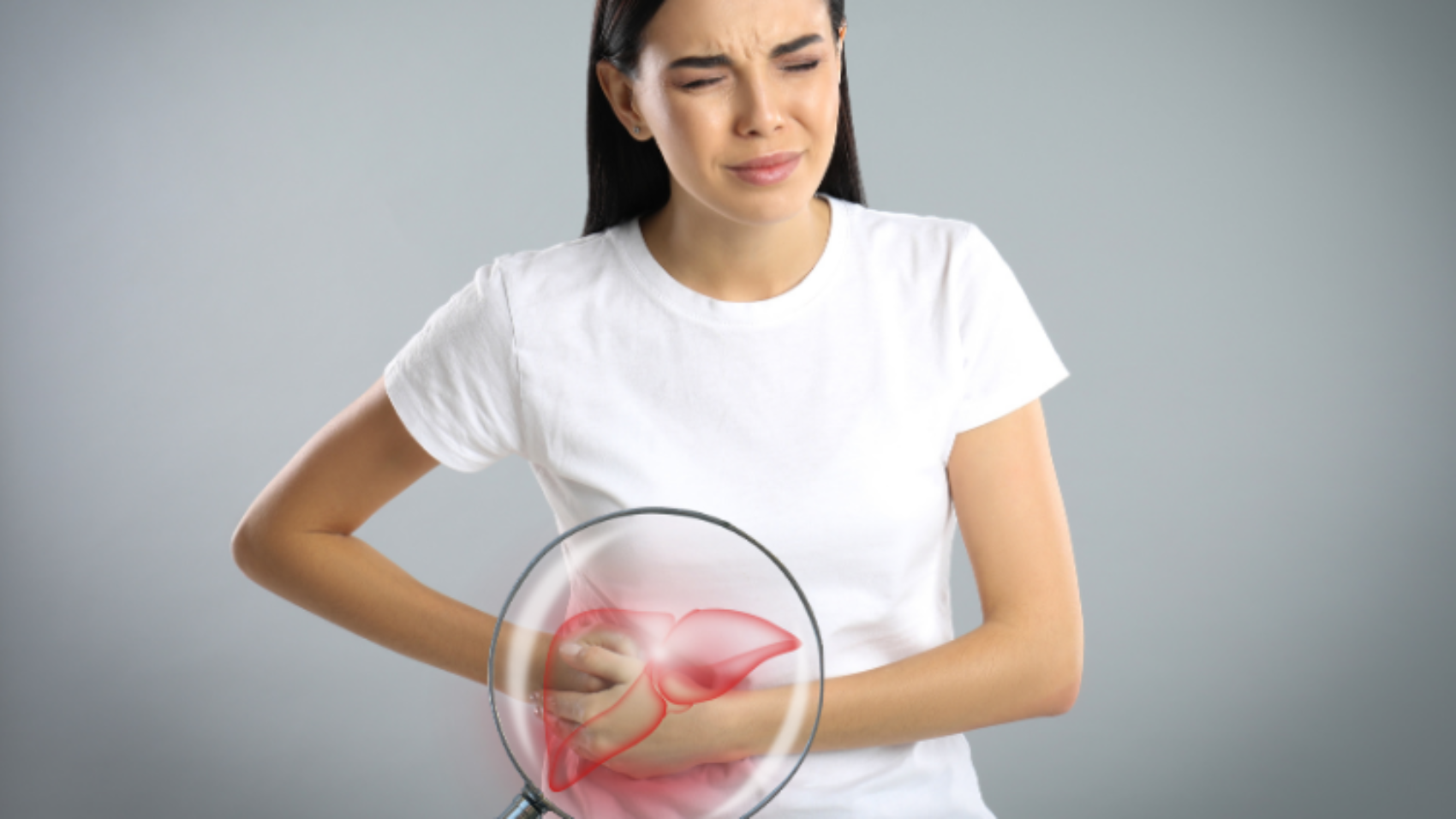
Fatty liver disease is when excess fat accumulates in the liver, a condition also known as hepatic steatosis. It’s a common health issue, affecting many people around the world. A small amount of fat in the liver is normal, but when it’s too much, it can lead to serious health problems. It’s important to recognize and manage this condition to maintain good liver health.

Types of Fatty Liver Disease

Fatty liver disease comes in different forms, each with its causes and health implications. It’s important to understand these types to effectively manage and treat the condition.

Alcoholic Fatty Liver Disease (AFLD)

AFLD occurs due to excessive consumption of alcohol. When you drink alcohol, your liver works to break it down for removal from the body. However, this process creates harmful substances that can damage liver cells, cause inflammation, and reduce the liver’s ability to fight off infections. The more alcohol consumed, the greater the damage to the liver. AFLD is the initial stage of alcohol-related liver damage, potentially progressing to more severe conditions like alcoholic hepatitis and cirrhosis.

Non-Alcoholic Fatty Liver Disease (NAFLD)

NAFLD is unrelated to alcohol consumption and is more commonly linked with lifestyle factors like obesity, type 2 diabetes, and high cholesterol levels. This condition can further develop into a more severe form known as non-alcoholic steatohepatitis (NASH), characterized by liver inflammation and damage.

Subtypes of NAFLD:

  • Simple Fatty Liver: Here, fat accumulates in the liver without causing inflammation or significant damage to liver cells. This form typically doesn’t lead to severe liver damage.
  • Non-Alcoholic Steatohepatitis (NASH): In NASH, there’s both fat accumulation and liver inflammation, leading to damage of liver cells. This can result in fibrosis or scarring of the liver and may advance to cirrhosis or even liver cancer.

Causes of Fatty Liver Disease

Fatty liver disease, both in its alcoholic and non-alcoholic forms, is influenced by a range of factors. Understanding these causes is crucial for prevention and treatment.

Lifestyle and Dietary Influences

  • Unhealthy Diet: Excessive consumption of foods high in saturated fats, sugars, and processed ingredients contributes significantly to the build-up of fat in the liver. This kind of diet can disrupt normal liver function and lead to fat accumulation.
  • Obesity and Overweight: Carrying extra weight, particularly around the abdomen, is a significant risk factor for non-alcoholic fatty liver disease (NAFLD). The excess fat not only stresses the liver but also alters metabolism, increasing the likelihood of fat deposition in liver cells.
  • Physical Inactivity: A sedentary lifestyle leads to poor metabolic health and can exacerbate the accumulation of liver fat. Regular physical activity is essential in maintaining healthy liver function and preventing fat build-up.

Medical and Health-Related Factors

  • Type 2 Diabetes and Prediabetes: These conditions are closely associated with an increased risk of NAFLD. High blood sugar levels and insulin resistance play a significant role in the development of liver fat.
  • High Blood Pressure: Often coexisting with fatty liver disease, high blood pressure can compound the stress on the liver and exacerbate the condition.
  • Dyslipidemia: Elevated cholesterol and triglycerides in the blood are common in individuals with fatty liver disease. These lipids can accumulate in the liver, contributing to its dysfunction.
  • Metabolic Syndrome: This group of conditions, which include obesity, hypertension, insulin resistance, and abnormal cholesterol levels, significantly increases the risk of developing NAFLD.

Genetic and Biological Factors

  • Insulin Resistance: A key factor in NAFLD, insulin resistance results in increased fat synthesis and decreased fat breakdown, leading to fat accumulation in the liver.
  • Genetic Predisposition: Genetics can influence an individual’s susceptibility to fatty liver disease. Specific genetic variants may increase the likelihood of developing NAFLD and influence the disease’s progression.

Alcohol-Related Causes

  • Alcoholic Fatty Liver Disease (AFLD): Caused by excessive alcohol consumption. Alcohol metabolism in the liver generates toxic by-products that can damage liver cells and lead to inflammation and scarring.

Lifestyle Changes to Reverse Fatty Liver Disease


“In understanding fatty liver disease,” Dr. Rasha notes, “one must appreciate the intricate balance between lifestyle, diet, and genetics. Our approach at Etara Wellness is to empower our clients with this knowledge for effective management and reversal of the condition.”

“At Etara Wellness, we advocate for a holistic lifestyle change, not just short-term fixes,” Dr. Rasha asserts. Here are some key lifestyle modifications she recommends:

Comprehensive Dietary Approach:

  • Emphasize a diet rich in fiber and proteins while being low in unhealthy fats and carbohydrates.
  • Include a variety of fruits and vegetables in every meal. For example, a cup of leafy greens or sautéed spinach should accompany meals to provide essential nutrients and fiber.
  • Incorporate whole grains into the diet to enhance fiber intake, which is crucial for liver health.
  • Choose lean protein sources like eggs, legumes, and cold-water fish, which provide essential amino acids without excessive fats.
  • Limit the intake of red meat and processed sugars, which are known to exacerbate liver fat accumulation.
  • Implement the Mediterranean diet principles, focusing on fruits, vegetables, whole grains, legumes, and nuts, and replacing saturated fats like butter with healthier fats like olive oil.

Specific Beneficial Foods:

  • Garlic: Can positively affect metabolic profiles in NAFLD.
  • Omega-3 Fatty Acids: Found in salmon, sardines, walnuts, and flaxseed, may improve liver fat levels.
  • Coffee: Regular consumption linked to decreased liver fibrosis risk.
  • Broccoli: This may aid in faster fat breakdown in the liver.
  • Green Tea: Contains antioxidants that may improve symptoms.
  • Walnuts: High in omega-3 fatty acids, beneficial for liver health.

Portion Control, Weight Management and Mindful Eating:

  • Understand and respond to the body’s hunger and fullness signals, avoiding overeating.
  • Practice portion control by using smaller plates and checking serving sizes.
  • Strive for gradual weight loss, targeting a 1 to 2 pounds reduction per week. Achieving a 5-10% reduction in body weight can lead to significant improvements in liver health and function.
  • Adjust calorie intake based on individual needs. For NAFLD, aim for 1,200–1,500 calories per day or a reduction of 500–1000 calories daily.

Regular Physical Activity:

  • Engage in a mix of aerobic exercises, like brisk walking or cycling, and resistance training to enhance overall fitness and specifically target liver fat reduction.
  • Aim for at least 150 minutes of moderate-intensity aerobic activity or 75 minutes of vigorous aerobic activity per week, along with muscle-strengthening activities on 2 or more days per week.

Supplementation and Medication:

  • Vitamin E supplementation, with doses varying based on individual health conditions.
  • L-carnitine (340mg 2x/day), lecithin, and choline for those with deficiencies.
  • Metformin and specific medications like GLP1 and SGLT2 inhibitors for diabetic patients.
  • Probiotics, particularly lactobacillus, support a healthy gut-liver axis.

Mindful Living and Preventive Care:

  • Incorporate stress management practices like yoga and meditation into daily routines.
  • Consider counseling to tackle emotional eating patterns and improve mental health.
  • Avoid exposure to BPA and other liver-damaging chemicals found in certain plastics and food packaging.
  • Completely abstain from alcohol if diagnosed with AFLD and limit intake for NAFLD.
  • Stay up-to-date with vaccinations for liver-related viruses and routine health checks.
  • Regular liver health screenings, including blood tests and imaging, to monitor progress and adjust treatment strategies.

Diagnosis of Fatty Liver Disease


Dr. Rasha at Etara Wellness employs a holistic method, integrating health and lifestyle factors for effective fatty liver disease diagnosis and treatment.

  • Medical History Analysis: Dr. Rasha evaluates risk factors including obesity, diabetes, high blood lipids, and metabolic syndrome. Dietary habits, level of physical activity, and alcohol consumption are reviewed to differentiate between alcoholic and non-alcoholic fatty liver disease.
  • Physical Examination: Focuses on identifying an enlarged liver, signs of insulin resistance (e.g., dark skin patches), and indicators of advanced liver disease, such as cirrhosis.
  • Blood Tests: Liver enzyme levels (ALT and AST) are checked in blood samples. Additional tests may be used to calculate scores like FIB-4 or APRI, aiding in the assessment of liver fibrosis.
  • Imaging Tests: Techniques like ultrasound, CT, and MRI help visualize fat accumulation in the liver. Elastography methods (e.g., vibration-controlled transient elastography) are used to measure liver stiffness, indicative of fibrosis.
  • Liver Biopsy: Recommended in specific cases where there’s a suspicion of advanced liver disease or to conclusively diagnose and assess the severity of liver damage.

Dr. Rasha ensures a precise diagnosis of all types of fatty liver disease through detailed medical history, physical exams, blood tests, imaging, and biopsies when needed.

Ensure your liver health is in top condition. Visit Etara Wellness for a comprehensive evaluation. Contact Dr. Rasha El Naggar for a professional and thorough assessment. Book your appointment now for dedicated care and expert guidance.

CLAIM YOUR 15 MINUTES FREE PHONE CALL

1 (5)

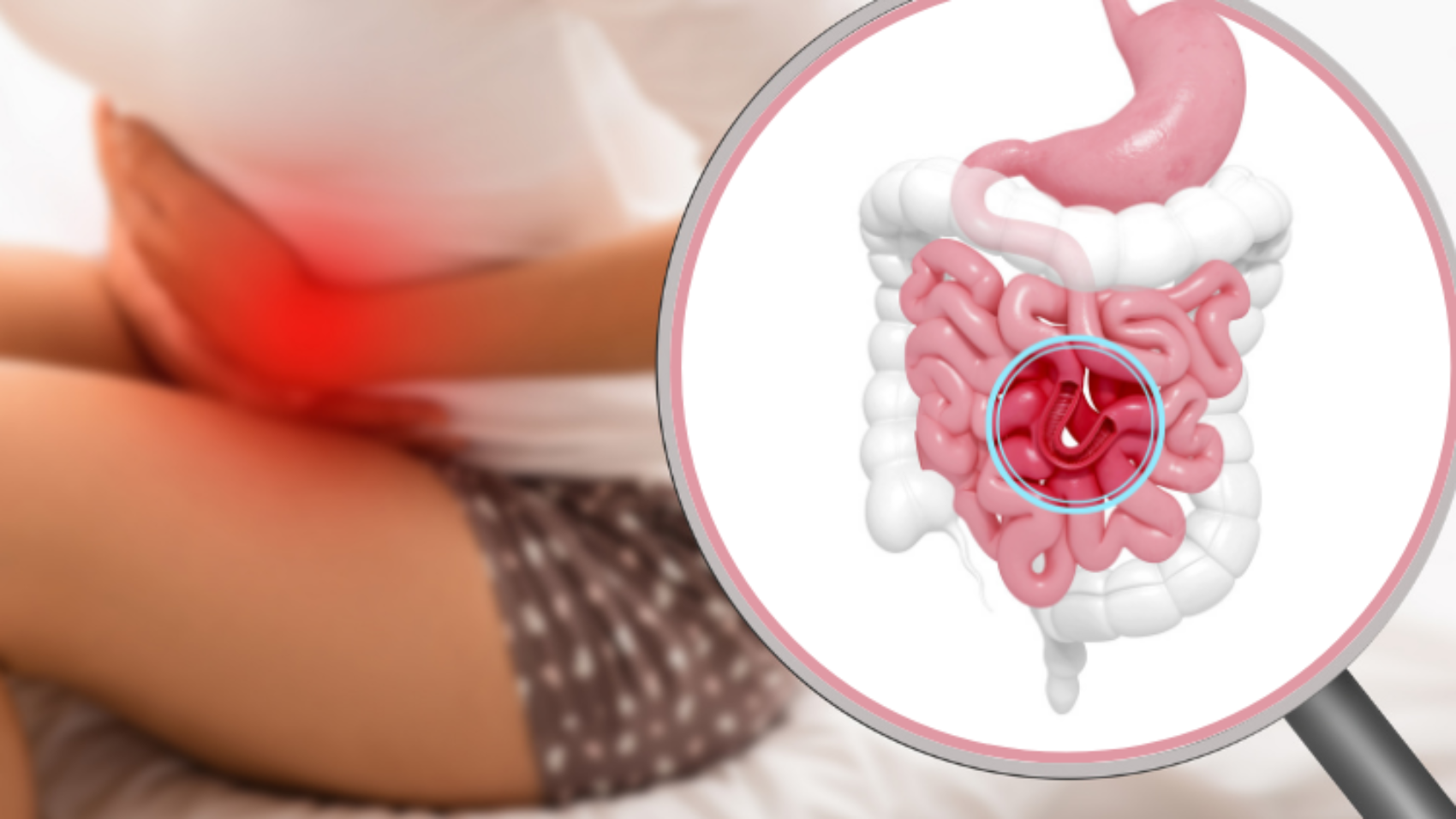
Understanding SIBO – Symptoms, Causes, Testing, and Diagnosis

Do you regularly struggle with severe bloating, to the extent where your clothes feel uncomfortably tight? Regular episodes of gas and bloating, or a previous diagnosis of IBS (Irritable Bowel Syndrome), might indicate a higher probability of having Small Intestinal Bacterial Overgrowth (SIBO). 

It’s important to recognize that any level of bloating is not typical and could suggest underlying issues. Often, bloating can be a symptom of intestinal inflammation, a frequent indicator of SIBO.

Small Intestinal Bacterial Overgrowth (SIBO), is a condition less talked about but increasingly recognized in the medical community.

What is Small Intestinal Bacterial Overgrowth (SIBO)?

Having bacteria in your gut is a good thing–as long as it’s the right bacteria in the right place. In cases of Small Intestinal Bacterial Overgrowth (SIBO), this balance is disrupted. SIBO occurs when bacteria, which predominantly reside in the large intestine, proliferate in the small intestine. This shift in bacterial location leads to a disruption in the normal digestive process, affecting the body’s ability to properly absorb nutrients.

Dr. Rasha El Naggar, from Etara Wellness, simplifies this concept by comparing the gut to an ecosystem where various bacteria play a vital role in maintaining health. She explains that these bacteria normally reside in the large intestine, assisting in digestion and the production of vitamins. However, she notes that factors such as an imbalanced diet or certain medications can disturb this delicate balance, leading to an excessive growth of bacteria in the small intestine. This condition is known as Small Intestinal Bacterial Overgrowth (SIBO).

To maintain a healthy gut, it’s crucial to keep food moving quickly through the small intestines and to ensure there is enough stomach acid. In this context, Dr. Rasha adds that if the food’s transit is too slow or if stomach acid is deficient, it can result in an overgrowth of bacteria in the intestines. This imbalance can be detrimental to gut health.

Read on to learn more about SIBO.

What Causes SIBO?

Understanding the causes of SIBO is pivotal in its management. Several factors can predispose individuals to develop SIBO –

  • Impaired Gut Motility Conditions that slow down the movement of food through the intestines, such as diabetes or scleroderma, can lead to bacterial overgrowth.
  • Structural Abnormalities – Surgical scars, diverticula, or diseases like Crohn’s can create niches in the small intestine where bacteria can accumulate.
  • Medication- Certain medications, especially antibiotics, and acid-blocking drugs, can disrupt the natural balance of gut flora.
  • Dietary Factors – A diet high in sugars, refined carbohydrates, and alcohol can foster an environment conducive to bacterial overgrowth.
  • Low Stomach Acid Production – Known as hypochlorhydria, reduced stomach acid levels can fail to inhibit the growth of bacteria migrating from the colon to the small intestine.

Understanding these factors is the first step in addressing SIBO. Recognizing the signs and symptoms is equally crucial, as they often mimic other gastrointestinal disorders.

What are the signs and symptoms of SIBO?


The symptoms of SIBO can vary widely, ranging from mild discomfort to severe impairment. Common symptoms include  –

  • Bloating and Gas – Excess bacteria in the small intestine can lead to the fermentation of food, resulting in gas production and bloating.
  • Abdominal Pain and Discomfort – Inflammation caused by bacterial overgrowth can lead to pain and cramps in the abdominal area.
  • Diarrhea or Constipation – Altered gut motility and bacterial imbalance can manifest as irregular bowel movements.
  • Nutrient Deficiencies – SIBO can interfere with the absorption of nutrients, leading to deficiencies and related symptoms like fatigue and weakness.
  • Food Intolerances – People with SIBO often find they are sensitive to certain foods, especially those high in fermentable carbohydrates.

These symptoms not only affect physical health but also emotional well-being, often leading to a decreased quality of life.

Is there any test to diagnose the condition?

Dr. Rasha El Naggar employs a detailed and systematic approach to diagnose Small Intestinal Bacterial Overgrowth (SIBO), ensuring accurate identification and effective management of the condition.

  • Symptom Assessment – The process begins with Dr. Rasha reviewing the patient’s symptoms and medical history, including a physical examination to identify signs such as excess gas or bloating.
  • Breath Test – A crucial diagnostic tool is the breath test. Patients are required to fast for 24 hours and then consume a lactulose or glucose solution. This test helps in identifying bacterial overgrowth by measuring gases released after the bacteria digest the sugar.
  • Small Bowel Aspirate and Culture – For a more thorough investigation, Dr. Rasha may conduct an endoscopy. This involves inserting a camera through the mouth to the small intestine to obtain a tissue sample, allowing for an in-depth analysis of the bacteria present.
  • Blood and Other Tests – The diagnostic process also includes blood tests to check for signs of autoimmunity or inflammation, mobility tests for any structural issues in the small intestine, and stool tests to examine the gut microbiome

Dr. Rasha also explores any related health conditions that might be linked to SIBO, ensuring a holistic approach to treatment. Her thorough diagnostic strategy combines these methods to effectively tackle SIBO, ensuring each patient at Etara Wellness Clinic receives effective care.

A Clinical Approach for Effective Treatment 

The treatment for SIBO is multifaceted and personalized. Initial strategies include –

  • Antibiotics – To reduce bacterial overgrowth, medications like Rifaximin are commonly prescribed, and customized to meet the individual’s specific needs.
  • Dietary Modifications – Identifying and avoiding trigger foods is crucial. A low-FODMAP diet is often recommended to reduce fermentation and symptoms.
  • Probiotic Supplementation – Integrating probiotics into the treatment plan supports the re-establishment of a balanced intestinal microbiota.
  • Lifestyle Changes – Stress management and regular physical activity can improve gut motility and overall gut health.

This clinical approach aims to provide a thorough and effective treatment pathway, encompassing both medical and lifestyle interventions for the holistic management of SIBO.

Dietary Management for SIBO –

A strategic dietary approach plays a pivotal role in managing SIBO. Dr. Rasha at Etara Wellness emphasizes the importance of a personalized diet –

  • Low-FODMAP Diet – This diet minimizes the intake of certain carbohydrates that are poorly absorbed and easily fermented by bacteria, thus reducing bloating and gas.
  • Balanced Nutrition – Ensuring a diet rich in essential nutrients, while avoiding excess sugars and processed foods, is key to restoring gut health.
  • Small, Frequent Meals – Eating smaller portions more frequently can aid digestion and reduce symptoms.
  • Identifying Trigger Foods – Each individual may react differently to certain foods. Keeping a food diary and identifying triggers can be helpful.
  • Hydration – Adequate water intake is essential for maintaining gut health and aiding digestion.

Expert SIBO Care at Etara Wellness

At Etara Wellness, we understand the challenges of Small Intestinal Bacterial Overgrowth (SIBO) and offer personalized care under Dr. Rasha’s guidance. Our focus is on providing clear and effective treatment plans tailored to your unique health needs. If you’re struggling with digestive issues or think you might have SIBO, our team is ready to help. We encourage you to book a consultation with Dr. Rasha to start improving your gut health. With our professional expertise and supportive approach, we aim to help you achieve better health and comfort.

CLAIM YOUR 15 MINUTES FREE PHONE CALL 

prp

The Science Behind Platelet-Rich Plasma (PRP) and Its Healing Properties

Platelet-Rich Plasma (PRP) is a big deal in medicine. It helps tissues grow back better, making it valuable in orthopedics for musculoskeletal injuries, dermatology for skin and hair rejuvenation, and sports medicine for accelerated recovery. Think of it like a natural boost for your body’s healing power – no big surgeries, just science helping you heal better!

“Dr. Rasha El Naggar firmly believes in the power of Platelet-Rich Plasma (PRP). She explains that platelets, these tiny cells in our blood, do more than just stop bleeding—they help our body’s healing process. From what we’ve seen at our clinic, PRP supports tissues to heal better and faster. It’s not just science, it’s like giving your body an extra boost to heal itself naturally.”

What’s the Science Behind PRP?

Blood is a complex mix of various components, and platelets stand out as the stars of PRP therapy. Platelets stop the blood very quickly by forming a clot at the site of damage, preventing further harm, and laying the foundation for tissue healing. 

The process where platelets attach themselves to the damaged blood vessel to stop bleeding is called adhesion. It’s similar to how a cut on your skin forms a scab. Inside the body, this happens just as swiftly.

But platelets don’t stop at clotting. They also release chemical signals that call for more platelets to join the party. This process, called aggregation, leads to a pile-up of platelets at the injury site. Once bleeding is under control, something even more remarkable occurs – platelets kickstart the growth of fresh tissue to repair the damage. Scientists have identified over 30 “growth factors” within platelets that oversee tissue regeneration.

Some key growth factors include –

  • Platelet-Derived Growth Factor (PDGF) – Promotes blood vessel growth through angiogenesis, facilitating the creation of new blood vessel tissue.
  • Fibroblast Growth Factor (FGF) – Aids wound healing by encouraging the production and differentiation of various cell types for specific tissue functions.
  • Epidermal Growth Factor (EGF) – Stimulates cell growth and differentiation across various human tissues.
  • Vascular Endothelial Growth Factor (VEGF) – Contributes to muscle tissue generation and the development of alternate blood vessel routes.
  • Insulin-Like Growth Factor 1 (IGF-1) – Plays a pivotal role in metabolism, contributing to both growth and maintenance.

These growth factors work together to stimulate the body’s natural healing process, addressing issues like aging, wear, or injury.

Let us explore PRP’s scientific significance across medical fields, supported by references.

Platelet-Rich Plasma (PRP) in Regenerative Medicine


PRP, an autologous biological product derived from a patient’s blood, shows promise in regenerative medicine for stimulating tissue healing. Platelets, with their hemostatic function and rich cytokine and growth factor content, are instrumental in the wound healing process. The therapeutic potential of PRP lies in tapping into the body’s natural healing capabilities, making it a noteworthy option in regenerative medicine.

PRP is a highly effective technique for harnessing the healing power of your body’s resources. Here’s a closer look:

  • Extraction Procedure – PRP is derived through the centrifugation of your blood, isolating the plasma and the platelet-rich buffy coat.
  • Diverse Applications –  PRP finds application in a wide range of fields, including dentistry, dermatology, plastic and maxillofacial surgery, acute trauma, cosmetic surgery, and veterinary medicine.
  • Healing Potential – Platelets are a rich source of essential Growth Factors (GFs), catabolic cytokines from leukocytes, and fibrinogen. These components collectively orchestrate the healing process, guiding it through the phases of inflammation, repair, and remodeling.

Platelet-Rich Plasma (PRP) in Wound Healing – 

Platelet-Rich Plasma (PRP) therapy is making waves in wound care. It taps into the body’s innate healing abilities by using plasma enriched with platelets, which are rich in growth factors. PRP speeds up healing in various wound types, from chronic ulcers to surgical incisions, providing a natural boost for recovery.

Let’s break down the stages of wound healing –

  • Hemostasis and Platelet Activation – When you get hurt, platelets quickly form a clot to stop the bleeding. They also release growth factors and cytokines, like messengers that help with healing.
  • Inflammatory Phase – Clotting and platelet degranulation trigger inflammation, which opens the door for special cells that help with healing to come into the wound.
  • Proliferative Stage – Neutrophils and macrophages contribute to healing by secreting growth factors like TGF-β and interleukins, which help repair tissue and build new blood vessels.
  • Tissue Remodelling – After about three weeks, your body’s collagen levels are at their highest. Collagen is like the glue that holds everything together. This makes the scar tissue stronger.

During this healing journey, many factors, like growth factors, cytokines, integrins, keratins, matrix-metalloproteinases, chemokines, and other molecules, work together to ensure everything goes smoothly and helps your wound heal well.

Platelet-Rich Plasma (PRP) in Orthopedics – 

PRP (Platelet-Rich Plasma) therapy in orthopedics is catching attention for its potential in treating soft tissue injuries. What’s interesting is how it can deliver the right mix of Growth Factors (GFs) and cytokines straight to the injured area, which helps with healing. 

The good news is, it’s simple, cost-effective, and easy to find. Plus, because it’s your blood, there’s minimal risk.

  • Complete Healing – PRP therapy delivers a precise mix of Growth Factors (GFs) and cytokines right where they’re needed, enhancing the body’s natural healing processes.
  • Affordable and Accessible – It’s a cost-effective, readily available solution, making it accessible to a wide range of patients.
  • Safety Assurance – PRP therapy utilizes your body’s blood, eliminating concerns about immune reactions or disease transmission.
  • Varied Techniques – Different PRP devices and methods provide flexibility to tailor treatment to individual needs.
  • Enhanced Platelet Count – PRP significantly boosts platelet concentration, promoting effective healing.

PRP’s Healing Properties


Platelet-Rich Plasma (PRP) is a medical breakthrough that taps into the body’s innate healing powers. By utilizing the patient’s blood, PRP offers a safe and effective way to stimulate restoration. Results become evident in weeks, with full transformations achieved within months, and the benefits can last for years.

Key applications of PRP include –

  • Facial Revitalization – Combat aging with PRP-induced collagen production, reducing wrinkles and enhancing skin vibrancy.
  • Cosmetic Breast Procedures – Correct breast shape and volume issues in women, providing natural-looking results.
  • Enhancing Intimacy – PRP reinvigorates sexual function, offering women and men increased satisfaction, stamina, and sensitivity.
  • Hair Restoration – Ideal for early-stage hair loss, PRP supports hair regrowth and manages various hair-related conditions.

PRP therapy is a medical marvel with broad-reaching advantages, improving patients’ lives through medical science and expertise.

PRP Treatment at Etara Wellness

At Etara Wellness in New Port Beach, Dr. Rasha El Naggar and her team offer a range of PRP therapies tailored to specific medical needs. Our clinic specializes in orthopedic recovery, wound care, and cosmetic treatments using PRP. Whether you’re looking to speed up healing, recover from an injury, or enhance your appearance, our personalized PRP therapies can help. Contact us or visit our clinic to explore how PRP therapy at Etara Wellness can improve your overall well-being.

skin

PRP SKIN TREATMENT – PROCEDURE, PRECAUTIONS AND BENEFITS

As you age, it’s natural for your face to undergo changes. The once plump and vibrant cheeks may start to sag and lose their fullness. Deep grooves begin to form on the sides of your nose, and a weathered appearance might set in. These are the telltale signs of aging, a process that affects everyone. However, advancements in dermatology, particularly Platelet-Rich Plasma (PRP) therapy, offer a promising solution to these age-related changes.

What is PRP Treatment?

PRP therapy involves using a component of your own blood, rich in platelets, to stimulate skin repair and rejuvenation. Platelets are natural sources of growth factors, essential for wound healing and tissue regeneration. By concentrating these platelets and applying them to the skin, PRP treatment accelerates the natural healing process, leading to revitalized and youthful skin.

PRP therapy is not a cure but a treatment that aids in skin and tissue regeneration. It is effective in –

  • Reducing fine lines and wrinkles
  • Improving skin texture and tone
  • Minimizing scars and stretch marks
  • Stimulating hair growth in alopecia

Comprehensive PRP Treatments at Etara Wellness

Dr. Elnaggar’s expertise in PRP therapy extends to various treatments, tailored to meet the unique needs of each client.

  • PRP for Facial Rejuvenation

The PRP facial, popularly known as the vampire facial, is a sought-after treatment at Etara Wellness. It involves micro-needling followed by the application of PRP, delivering PRP facial benefits such as enhanced collagen production and improved skin texture and tone, leading to a more youthful and radiant appearance.

  • PRP for Scar Reduction

Scars, whether from acne, injury, or surgery, can be aesthetically displeasing. PRP therapy has shown promising results in diminishing the visibility of scars by promoting the growth of new, healthy tissue.

  • PRP for Hair Restoration

Hair loss can be a distressing condition for many. PRP therapy, applied to the scalp, can stimulate dormant hair follicles, promoting new hair growth and increasing hair density.

  • PRP for Anti-Aging

One of the most exciting applications of PRP is in combating the signs of aging. By promoting skin renewal and collagen production, PRP can reduce fine lines, wrinkles, and other signs of aging, resulting in firmer, smoother skin.


The PRP Procedure 


The PRP treatment at Etara Wellness involves a meticulous process:

  • Blood Collection and Processing – Around 20-60 ml of blood is collected, depending on the treatment area.
  • Centrifugation – The blood is centrifuged at a specific RPM for optimal platelet concentration.
  • PRP Application – The prepared PRP is either injected or applied topically, as per the treatment requirement.

The Benefits of PRP Facial Treatment

The PRP facial offers numerous benefits, making it a popular choice among patients seeking natural yet effective skin rejuvenation.

  • Enhanced Skin Quality – Improvements in skin texture, tone, and elasticity.
  • Reduction in Signs of Aging – Diminished appearance of fine lines and wrinkles.
  • Natural Approach – Uses the body’s own biological material, minimizing risks of allergic reactions.
  • Minimal Downtime – Quick recovery allows patients to return to their daily routine promptly.
  • Long-Term Results – The effects of PRP can be long-lasting, especially with proper skin care and follow-up treatments.

Recovery and Results

Post-treatment, patients may experience mild redness and swelling, similar to sunburn, but these effects usually subside within a few days. Most patients can resume normal activities almost immediately. The full effects of the treatment, particularly in terms of skin rejuvenation and hair growth, may take a few weeks to become evident.

Precautions Post-PRP Therapy

After undergoing Platelet Rich Plasma (PRP) Therapy, it’s crucial to follow specific care guidelines to ensure the best PRP facial recovery and PRP facial results in 2024. Here’s a comprehensive list of precautions –

  • Avoid Skin Contact – Refrain from touching your skin for at least 6 hours post-treatment. This allows the plasma ample time to work effectively.
  • Gentle Washing – The next morning, wash your face gently with lukewarm water. Avoid strong cleansers and ensure clean hands.
  • Careful Drying – Pat your skin dry gently without rubbing. Your skin might feel firmer initially but will soften and smooth out over the next few days to two weeks.
  • Pain Management – If you feel pain after 24 hours, Tylenol is safe to use. Steer clear of anti-inflammatory drugs unless your doctor says otherwise.
  • Swelling Reduction – Use ice to reduce swelling. Place a thin cloth between the ice pack and your skin and apply in 5-minute intervals.
  • Sleeping Position – For the first two nights, sleep with your head elevated and on your back to help minimize swelling and bruising.
  • Skincare Products – Avoid exfoliants or harsh skincare products for at least 72 hours. Non-chemical, organic creams designed for PRP treatment, like Serum for PRP, are safe to use.
  • Makeup – Avoid makeup initially. When you start using it again, make sure your brushes are clean to remove any infectious agents.
  • Sun Protection – Stay out of the sun and incorporate a UVA/UVB sunscreen with SPF 25 or higher into your routine.
  • Avoid Certain Activities –  Stay away from swimming, strenuous gym workouts, or any activity that induces sweating for a few days post-treatment.
  • Heat Exposure – Avoid using tanning beds, steam or sauna rooms, and hot tubs, and avoid taking hot showers.
  • Skincare Treatments – Postpone all other skincare treatments like facials, facial treatments, and laser therapies.
  • Alcohol and Medication – Avoid consuming alcohol and taking blood thinners for at least 6 hours following the treatment.

Following these steps will help ensure a smooth recovery and effective results from your PRP treatment.

Is Platelet-Rich Plasma Therapy for You?

As we continue to explore the transformative effects of Platelet Rich Plasma (PRP) Therapy at Etara Wellness, it’s important to understand who stands to benefit the most from this innovative treatment. PRP therapy is particularly effective for those experiencing early signs of aging, sun damage, or uneven skin tone. You may be an ideal candidate for PRP therapy if you notice any of the following conditions –

  • Grayish Skin Tone – Caused by reduced blood flow, leading to a lackluster complexion.
  • Sagging Facial Features – Noticeable drooping and loss of volume in the cheeks and other areas of the face.
  • Weathered Skin Texture – An appearance of skin that looks worn, with perhaps a rough texture due to environmental factors.


How Long Does the Effect of PRP Therapy Last?

At Etara Wellness, Dr. Rasha Elnaggar’s Platelet Rich Plasma (PRP) Therapy is notable for its long-lasting results. Patients typically see initial improvements within three weeks post-treatment, with the peak effects of enhanced collagen production and skin rejuvenation becoming evident in the following months. Remarkably, the rejuvenating impact of one PRP session can endure for up to three years, making it a compelling, long-term solution for skin health and vitality.

Factors Influencing Longevity

Several factors can influence how long the effects of PRP therapy last, including – 

  • Age and Skin Condition – Younger skin with minor signs of aging may retain the results longer than more mature skin.
  • Lifestyle Factors – Habits such as smoking, excessive sun exposure, and poor diet can shorten the duration of the results.
  • Skincare Routine – A good skincare regimen post-treatment can extend the effects of PRP therapy.

PRP Maintenance at Etara Wellness

Etara Wellness in New Port Beach stands out for offering long-lasting PRP facial benefits. Dr. Rasha Elnaggar emphasizes the importance of maintenance and follow-up treatments for PRP therapy to sustain its rejuvenating effects. These sessions are carefully spaced to preserve and enhance the skin’s appearance and health over time. Complementing this, each PRP treatment plan is individually tailored to match the patient’s unique skin type, condition, and aesthetic goals, ensuring not only effective results but also maximizing the longevity of the therapy’s benefits. This personalized approach at Etara Wellness is key to maintaining lasting, natural-looking skin rejuvenation.

compressed-q2xs29z4bo8780dtzs4g8fjzvmszj5h1t4yl7ikbz4

Mental Health

Our Multi-Step Transformative Mental Health Program

Many clinical studies have shown that naturopathic medicine for mental health is highly effective. Naturopathic medicine principles delve deep into the root causes of mental health conditions. Our comprehensive and transformative mental health program takes a holistic, mind-body-spirit approach to your mental well-being, while also providing essential mental health support. We are dedicated to promoting mental health awareness and offering the best mental health services to our patients.

Guiding You Towards Balance

In the fast-paced modern world, stress often finds its way into our lives, affecting us mentally, emotionally, and physically. For Dr. Rasha El Naggar and our providers at Etara Wellness, our journey towards stress recovery and mental well-being serves as a bridge between the wisdom of natural harmony and evidence-based care. Let’s explore the nuances of chronic stress and our approach to gently guiding you back to balance.

Understanding the Impact of Chronic Stress

In the midst of our bustling lives, chronic stress can quietly disrupt our sense of well-being. It can influence hormone balance and impact the structure of our brains. This disruption can give rise to various challenges, causing everyday stressors to feel overwhelming.

Chronic stress has far-reaching effects on the body. It’s associated with blood sugar fluctuations, a weakened immune system, unwanted weight gain, high blood pressure, and oxidative stress. This hidden contributor is often referred to as the “silent killer” due to its potential to contribute to chronic diseases and overall poor health. The impact of chronic stress can go unnoticed, leading to mental, emotional, and physiological struggles.

Revealing the Effects of Chronic Stress

Chronic stress can cast its shadow over various aspects of well-being. It can lead to decreased concentration, memory lapses, and mental fatigue. Sleep disruptions, intensified feelings of depression and anxiety, and even physical symptoms like muscle tension or back pain can result from chronic stress. Moreover, it can impact blood sugar regulation, increasing the risk of type 2 diabetes and high blood pressure.

The spectrum of potential outcomes is wide — from frequent headaches and migraines to imbalances in hormones and unwanted weight gain. Even issues such as addictions, gastrointestinal troubles, and accelerated aging can be linked to underlying stress. Conditions like anxiety, depression, ADHD, migraines, insomnia, PTSD, and IBS often have complex origins, intertwining with factors like diet, lifestyle, genetics, and past experiences.

Our Approach to Restoring Balance and Mental Wellness

Our approach is anchored in personalized care and integrative understanding. When equilibrium is disrupted, it’s natural to experience irritability, mood swings, and challenges in maintaining focus. Through a harmonious blend of natural therapies and functional techniques, our aim is to restore balance between your mind and emotions.

Our integrated methodology delves deeply into your body’s intricate physiology. Through careful evaluation, we find the root causes of your mental and emotional challenges. Be it sleep irregularities, nutritional imbalances, gut health, environmental factors, or chronic infections, we address each puzzle piece contributing to your well-being.

Our Commitment to Mental Wellness

Our mission is to guide a diverse array of individuals towards stress recovery and improved mental health. From stress and anxiety to complex conditions like bipolar disorders, thyroid imbalances, insomnia, and migraines — our approach caters to a wide spectrum of concerns. We specialize in personalized care for those navigating the intricate realm of mental and emotional well-being.

Our Path to Transformation: Mental Health Services and Support

Our journey with you begins with an initial consultation and comprehensive lab testing. By gaining insights into your health goals, we lay the groundwork for personalized treatment. This entails adjustments to your diet and lifestyle, along with herbal remedies, supplements, and mental body sessions — all aligned with medical standards.

As we progress, follow-up visits help us monitor your progress, refine your treatment plan, and address any evolving conditions. Our Transformative Mental Health Program delves into the root causes of your condition. This encompasses addressing neurotransmitter imbalances, micronutrient deficiencies, hormonal irregularities, gut health, toxic burden, mitochondrial function, and detoxification pathways.

Dr. Rasha El Naggar and the team at Etara Wellness aspire to foster a community centered around resilience and restored mental well-being. By accompanying you on this journey, we aim to illuminate the path from stress to recovery, one step at a time.

In the embrace of a new day, find solace in the awareness that amidst life’s complexities, we exist, ready to gently guide you towards a balanced state of well-being and mental health care.

Naturopathic Medicine for Mental Health – Program Overview

Who We Treat

Our utilization of naturopathic medicine for mental health extends to a wide range of conditions, including:

– Stress, anxiety, generalized anxiety disorder, panic attacks, and PTSD

– Depression, OCD, and bipolar disorders

– Diminished cognition, memory, and focus

– PMS and PMDD (Premenstrual Dysphoric Disorder)

– Postpartum depression

– ADD and ADHD

– Insomnia and migraines

– Gut conditions such as IBS/IBD and ulcers

– Dementia

Our Process

Dr. Rasha, a naturopathic doctor, employs a variety of treatments in her functional approach to naturopathic medicine for mental health in order to maximize mental health and raise the overall quality of life. Here is how the entire process works:

Step 1: Initial consultation and lab testing 

The estimated duration of the initial consultation is 60-80 minutes. During the initial appointment, patients discuss their health goals with Dr. Rasha. At the end of the initial consultation, we will order basic and functional lab tests and provide a treatment plan according to medical standards of care. The treatment plan includes diet and lifestyle modification, herbal medicine, homeopathy, supplements, and craniosacral sessions to provide comprehensive mental health care and support.

Step 2: A follow-up visit for lab review and extended treatment

The estimated duration of the follow-up visit is 30-40 minutes. The doctor explains lab results during the follow-up and provides a comprehensive treatment plan roadmap. This holistic approach to mental health care ensures that each patient receives the best mental health support possible.

Step 3: Consecutive follow-up visits

We will manage the patient’s progress, modify the treatment plan, and address other conditions when needed. Our treatment plans also involve IV therapy for mental health support and craniosacral therapy sessions to promote mental health awareness.


Multi-Step Transformative Mental Health Program – How It Works

Individuals with mental and emotional disorders frequently take pharmaceuticals to change how their brains operate. The conventional way of treating mental disease has been utilizing drugs to affect the actions of neurotransmitters in the brain, such as serotonin and dopamine. Unfortunately, even though some patients may respond well to medications, not all do.

Fortunately, as our knowledge of the brain’s complex functions has grown, we can now provide adjuvant treatments or alternatives to psychiatric medications when the former fails to deliver the results intended. For example, Micronutrients, such as vitamins and minerals, are the primary building blocks for many neurotransmitters. Therefore, micronutrient choices and dosage can be individualized to modify how neurotransmitters and the brain work.

Additionally, unbalanced microbiota, pollution, high toxin levels in the body, weakened detoxification systems, buried emotional trauma, and higher inflammation levels all contribute to the development mental and emotional illnesses.


The steps in our multi-step Transformative Mental Health Program are given below. The required actions are determined using a thorough history timeline, basic lab tests, and advanced functional lab tests. The outcomes of the initial comprehensive assessment are used to personalize the program and develop a care plan for a step-by-step intervention.

  1. Comprehensive evaluation and determining the root cause of the condition.
  2. Addressing neurotransmitter imbalance.
  3. Correcting micronutrient deficiencies using multiple modalities, including IV therapy.
  4. Optimizing hormonal imbalance.
  5. Addressing gut inflammation, microbiome, and leaky gut.
  6. Diminishing the body’s total toxic burden.
  7. Managing deep-seated stealth infections.
  8. Optimizing mitochondrial function and energy production.
  9. Detoxification of the Liver, adrenal, and kidney.
  10. Utilizing mind-body medicine such as in-office Craniosacral therapy sessions.


So, consult with Dr. Rasha. Based on knowledge, experience, and your condition, she will make unique tailored recommendations to optimize your mental health and provide the best mental health services.

FAQs – Naturopathic Medicine for Mental Health

Q. Does a naturopathic doctor help with mental health?

Yes. Find a naturopathic doctor who is licensed and qualified, like Dr. Rasha. Such a doctor can help provide long-term relief from your mental health issues. Given a fully individualized treatment plan, addressing the root cause allows for long-lasting success and comprehensive mental health care.

Q. How can I fix my mental illness naturally?

Naturopathic medicine for mental illnesses provides natural treatment with proven results. The main focus of naturopathic principles is solving health issues at their source. Some methods for treating mental health disorders include consuming wholesome foods, leading a sensible lifestyle, and using homeopathy, herbal remedies, and nutraceuticals to provide the best mental health care.

Q. What foods reduce anxiety fast?

Magnesium-rich foods can help anxious people feel calmer. You can eat leafy greens, nuts, whole grains, seeds, and legumes in your diet. In addition, foods rich in zinc, such as cashews, oysters, and egg yolks can also help lower anxiety and offer essential mental health support.

Naturopathic-medicine-and-digestive-health-Final-Image-768x481

Digestive Health

Total Gastrointestinal Reset Program

Naturopathic medicine for digestive health treats the root cause of gut problems, such as painful bloating, diarrhea, constipation, indigestion, heartburn, and many more. In our gut reset program, we harness naturopathic principles for digestive health care that involve feeding your body nutrient-dense food while minimizing inflammation or an immune reaction.

In doing so, our gut reset program accelerates your gut healing journey by addressing your nutritional needs, hormonal balance, immunity, blood sugar balance, and mental health. So, you feel happy, healthy, and fulfilled in your body again.

Restoring Gut Health Naturally: An Integrative Approach

Dr. Rasha El Naggar and the providers at Etara Wellness understand the crucial role of a healthy gut in maintaining optimal health because they are committed to your overall well-being. Our Gut Restoration program, grounded in naturopathic principles, is designed to address the root causes of digestive issues like bloating, diarrhea, constipation, indigestion, and more. In this comprehensive approach, we prioritize nourishing your body with nutrient-dense foods while minimizing inflammation and immune reactions.

Naturopathic Medicine for Digestive Health

Our Gut Restoration program takes inspiration from the wisdom of naturopathic medicine, focusing on the fundamental importance of a healthy gut. We recognize that many disorders in the body, whether related to the brain, respiratory system, cardiovascular system, skin, or hormonal balance, often trace their origins back to issues within the gastrointestinal tract. This is why we begin with improving digestion and gut issues.

How Our Program Works

The foundation of our program rests on the understanding that your body has the innate ability to heal. We believe in removing the obstacles to your digestive health and restoring what your body needs for healing and resilience.

The Gut Restoration Program: An Overview

In this unique program rooted in naturopathic medicine for gut health, you will:

  1. Comprehensive Evaluation: We start by identifying the root cause of your condition through a thorough assessment.
  2. Advanced Functional Testing: Utilizing advanced functional gut testing, we investigate the underlying causes of your condition.
  3. Addressing Multiple Facets: Our program addresses gut inflammation, microbiome health, and leaky gut. We also correct micronutrient imbalances, manage allergies and food intolerances, address small intestinal bacterial/fungal overgrowth, and manage deep-seated stealth infections.
  4. Reducing Toxic Burden: We work on eliminating or reducing your body’s total toxic burden, optimizing mitochondrial function and energy production.
  5. Functional Detoxification: The program also includes detoxifying the liver, adrenals, and kidneys to optimize healing.
  6. Mental and Emotional Components: We understand the connection between mental health and gut health, and we address these components in our program.
  7. IV and Craniosacral Therapy: To support your healing journey, we offer IV therapy sessions and craniosacral therapy sessions.


Who Can Benefit from Our Gut Restoration Program

Our program is designed to help individuals experiencing a range of conditions, including but not limited to:

  • IBS/IBD
  • GERD & peptic ulcers
  • Leaky gut
  • Food intolerances
  • Mast cell activation syndrome (MCAS)
  • SIBO (small intestinal bacterial overgrowth)
  • SIFO (small intestinal fungal overgrowth)
  • Sulfur intolerance

Our Functional Approach

Dr. Rasha El Naggar, our licensed naturopathic doctor, employs an integrative approach to naturopathic medicine for digestive health. Here’s an overview of the process:

Step 1: Initial Consultation and Lab Testing

During the initial appointment, you’ll discuss your health goals. At the end of this consultation, we’ll order both basic and functional lab tests, which may include stool kits, food sensitivities, SIBO samples, and micronutrient analysis.

Step 2: Initial Follow-Up Visit

Based on the results of these tests, Dr. Rasha El Naggar will provide a naturopathic medicine treatment plan that aligns with medical standards. This plan may encompass diet and lifestyle modification, herbal medicine, homeopathy, stress management, craniosacral sessions, and naturopathic supplements for digestive care.

Step 3: Consecutive Follow-Up Visits

As outlined in your roadmap to recovery, we’ll continuously monitor your progress, adjust your treatment plan as needed, and address any evolving conditions. Our treatment plans may also involve IV therapy for micronutrient deficiency, immune support, and additional craniosacral therapy sessions.

Naturopathic Medicine for Digestive Health – How Our Program Works

Improved gut health is essential to our body’s overall well-being. Many disorders in our body are primarily caused by inflammation, leaky gut, gastrointestinal bacterial and fungus overgrowth, inefficient gastrointestinal enzyme production, and poor gut hormone production. So, dealing with gastrointestinal tract functional issues is the first step in treating illnesses in other body parts, including the brain, respiratory system, cardiovascular system, skin, and hormone imbalance.

According to Hippocrates, “all ailments originate in the gut.” As a result, integrative medicine methods begin with improving digestion and a healthy digestive system. While treating gastrointestinal tract diseases, naturopathic medicines for digestive health care are at the forefront. In addition, clinical assessment and advanced functional GI testing are excellent tools that can point us in the right direction.

Our Gut Reset Program begins with the simple truth that you can always restore your health. In this program, you will learn about your personal ecosystem and redefine your relationship with the food you consume. We believe that your body already knows how to heal. We simply help remove the obstacles to your digestive health and restore what your body needs for healing and resilience.

Overview of Our Gastrointestinal Reset Program

In this unique program that harnesses naturopathic medicine for gut health, you will:

  • Undergo a comprehensive evaluation to determine the root cause of the condition.
  • Utilize advanced functional gut testing to probe for the disease’s root cause.
  • Address gut issues, microbiome, and leaky gut.
  • Correct micronutrient imbalance and deficiencies.
  • Manage allergies and food intolerances.
  • Address small intestinal bacterial/ fungal overgrowth.
  • Manage deep-seated stealth infections.
  • Eliminate or decrease the body’s total toxic burden.
  • Optimize mitochondrial function and energy production.
  • Detox the liver, adrenals, and kidneys to optimize healing.
  • Address the mental and emotional components.
  • Take IV therapy sessions.
  • Take craniosacral therapy sessions.

Who We Treat

This gut reset program is for anyone experiencing any of the following conditions:

  • IBS/IBD
  • GERD & peptic ulcers
  • Leaky gut
  • Food intolerances
  • Mast cell activation syndrome
  • SIBO, small intestinal bowel overgrowth
  • SIFO, small intestinal fungal overgrowth
  • Sulfur intolerance

Our Process

In her holistic approach to naturopathic medicine for digestive health, Dr Rasha, a naturopathic doctor, uses various treatments to optimize gut health and improve the overall quality of life. Here is how the entire process works:

Step 1: Initial consultation and lab testing.

During the initial appointment, patients get to discuss their health goals. Then, at the end of the initial consultation, we will order basic and functional lab tests, from stool kits and food sensitivities to SIBO samples and micronutrient analysis.

Step 2: An initial follow-up visit for lab review and extended treatment.

Based on the results of these tests, Dr Rasha will provide a naturopathic medicine treatment plan according to medical standards of care. As a naturopathic medicine doctor, Dr Rasha’s treatment plans include diet and lifestyle modification, herbal medicine, homeopathy, stress management, craniosacral sessions, and naturopathic supplements for digestive health.

Step 3: Consecutive follow-up visits.

As discussed in the roadmap, we will manage the patient’s progress, modify the treatment plan, and address other conditions as and when needed. Our treatment plans also involve IV therapy for micronutrient deficiency, immune support, and craniosacral therapy sessions.

FAQs – Naturopathic Medicine for Gut Health

Q. Can a naturopathic doctor help with gut problems?

Yes. Being a clinically experienced, licensed, and qualified naturopathic doctor, Dr Rasha works with patients to determine the underlying causes of their existing conditions. Accordingly, she devises a treatment plan using naturopathic medicine for digestive health and helping you improve your gut health.

Q. How can I heal my gut naturally?

You can heal your gut naturally with naturopathic principles for digestive health. This involves natural ways to improve your digestive health, such as lifestyle changes, eating nutrition-dense food, stress management, probiotics, craniosacral sessions, and natural therapies to heal your gut.

Q. Is it safe to go to a naturopathic doctor for digestive health?

Absolutely. Just make sure you find a naturopathic doctor who is licensed, qualified, and a naturopathic doctor. Numerous studies have shown that naturopathic medicine for digestive health is both safe and effective.

Q. What are the symptoms of an unhealthy gut?

Frequent discomfort, bloating, gas, diarrhea, heartburn, and constipation could be signs of an unhealthy gut. You may also feel lethargy and chronic fatigue. A holistic approach involving naturopathic medicine for gut health addresses all these symptoms of a leaky gut.

pexels-vie-studio-7420867-scaled-q0m286tg0gjh1v91ygkk65ievsip72kaay66pmad8o

Hormone Health

Nurturing Hormone Health: An Integrative Approach

Hormones, the body’s chemical messengers, play a vital role in regulating countless physiological processes. When these messengers fall out of balance, it can lead to a range of health issues. Dr. Rasha El Naggar, with her expertise, can guide you on the path to optimal hormone regulation.

What are Hormones?

Hormones are special chemical messengers produced by various glands throughout the endocrine system. They travel through the bloodstream, carrying instructions to tissues and organs, influencing processes like growth, metabolism, immune function, and mood. Hormones work in harmony to maintain the body’s delicate balance, ensuring it functions optimally.

Types of Hormones

There are several types of hormones, each with specific functions:

  1. Steroid Hormones: These include hormones like estrogen, progesterone, and testosterone, which influence sexual development, reproduction, and various metabolic processes.
  1. Peptide Hormones: Insulin and growth hormone are examples of peptide hormones, which play crucial roles in regulating metabolism, growth, and energy balance.
  1. Amino Acid-Derived Hormones: Thyroid hormones, produced by the thyroid gland, are derived from amino acids and control metabolism and energy expenditure.
  1. Fatty Acid-Derived Hormones: Prostaglandins, derived from fatty acids, regulate inflammation, blood flow, and blood pressure.


Symptoms of Hormonal Imbalances

When hormones are not in proper balance, it can lead to a variety of symptoms, including:

– Irregular menstrual cycles

– Mood swings and emotional disturbances

– Weight gain or loss

– Fatigue and low energy

– Sleep disturbances

– Changes in appetite and digestion

– Hair loss or excessive hair growth

– Skin problems, such as acne

– Memory and concentration issues

– Decreased libido

– Muscle weakness or joint pain


Major Factors Contributing to Hormonal Imbalance

Several factors can disrupt the delicate balance of hormones in the body:

  1. Stress: Chronic stress can lead to elevated levels of cortisol, known as the stress hormone, which can disrupt other hormonal systems.
  1. Diet and Nutrition: Poor dietary choices can affect hormone regulation, particularly those related to insulin and blood sugar levels.
  1. Lifestyle Factors: Lack of exercise, inadequate sleep, and excessive alcohol consumption can all contribute to hormonal imbalances.
  1. Medical Conditions: Certain medical conditions, such as polycystic ovary syndrome (PCOS), thyroid disorders, and diabetes, can disrupt hormone levels.

5. Environmental Toxins: Exposure to environmental toxins, including endocrine-disrupting chemicals found in plastics and pesticides, can interfere with hormone function.

How to Measure Your Hormones

Accurate assessment of hormone levels is crucial for identifying and addressing imbalances. We employ a comprehensive approach to measure and analyze hormones. Here’s how the process works:

  1. Initial Consultation: Your journey to hormone health begins with an in-depth consultation, during which we listen to your concerns, review your medical history, and discuss your symptoms.
  2. Hormone Testing: Based on your specific needs, you may recommend various hormone tests, including blood tests, saliva tests, or urine tests. These tests provide valuable insights into hormone levels and imbalances.
  3. Analysis and Diagnosis: Once the test results are available, we carefully analyze them to pinpoint any hormonal imbalances. This analysis guides the development of a personalized treatment plan.
  4. Personalized Treatment: A functional approach to hormone health includes lifestyle modifications, dietary changes, supplements, and, when necessary, bio-identical hormone therapy. This personalized approach addresses the root causes of hormonal imbalances.
  5. Ongoing Monitoring: Hormone regulation is an ongoing process. We monitor your progress and adjust your treatment plan as needed to ensure your hormones remain in balance.

How to Balance Your Hormones Naturally?

The phrase “hormones” generally includes the thyroid, the adrenals, the female and male hormones, the hormones that promote sleep, and many others. The balance of hormones is delicate and critical.  Since hormones are interrelated, one imbalance can interfere with the balance of other hormones and the body as a whole. They are essential for several processes, including the management of insulin resistance, control of weight, stabilization of mood, immune system health, maintenance of healthy bones and muscles, nutrient absorption, and nutrient assimilation.  Dr. Naggar’s areas of focus in hormone health are the following:

  • Optimization of thyroid function
  • Management of adrenal insufficiency
  • Management of PMS, fibroids, endometriosis, and PCOS
  • Support for menopause and perimenopause
  • Promotion of sexual Wellness
  • Fertility Enhancement

Bioidentical Hormone Replacement Therapy

The term “bioidentical hormones” refers to the hormones’ structure rather than their origins. Soy and yam are the sources of bioidentical hormones. Contrary to their non-bioidentical cousins, the structure is the same as the endogenously produced natural hormones by the body.

The action, metabolism, and elimination pathways of bioidentical hormones and naturally occurring human hormones are similar because of their similar molecular structures. Non-bioidentical hormones carry a higher chance of adverse effects on breast, coagulation, and cardiovascular health.

A Drop in sex hormones leads to insomnia, bones loss, migraines, hot flashes, increased risk of cardiovascular disease, obesity, elevated cholesterol, hypothyroidism, uterine fibroids, fibrocystic breasts, PCOS, chronic fatigue syndrome, hirsutism, connective tissue disorders.

Benefits of Bioidentical Hormone Replacement Therapy: 

  • BHRT reduces vasomotor symptoms by 75%
  • Improve sleep quality
  • Improve genitourinary syndrome of menopause
  • reduce the risk of recurrent UTI
  • Address urinary tract symptoms and Pelvic floor dysfunction
  • address sexual dysfunction
  • maintaining muscle mass and preventing the atrophy
  • Improving joint pain and slowing down osteoarthritis
  • Preventing postmenopausal bone loss
  • Promoting weight loss, and reduction in waist circumference
  • Benefits in Liver fibrosis and Fatty Liver
  • Management of metabolic syndrome
  • It may help promote a positive mood
  • Estrogen can have positive effects on postmenopausal depression
  • Improve cerebral Blood flow, improve cognition, and delay dementia.
  • Improve cardiovascular risk

Our Process

In her holistic approach to naturopathic medicine for hormonal health, Dr Rasha, a naturopathic doctor, uses various treatments to optimize hormone health and improve the overall quality of life.

Here is how the entire process works:

Step 1: Initial consultation and lab testing. 

The estimated duration of the initial consultation is 60-80 minutes. During the initial appointment, patients get to discuss their health goals with Dr Rasha. At the end of the initial consultation, we will order basic and functional lab tests and provide a treatment plan according to medical standards of care. The treatment plan includes diet and lifestyle modification, herbal medicine, homeopathy, supplements, and craniosacral sessions.

Step 2: A follow-up visit for lab review and extended treatment.

The estimated duration of the follow-up visit is 30-40 minutes. The doctor explains lab results during the follow-up and provides a comprehensive treatment plan roadmap.

Step 3: Consecutive follow-up visits.

We will manage the patient’s progress, modify the treatment plan, and address other conditions as and when needed. Our treatment plans also involve IV therapy for hormone health support and craniosacral therapy sessions.

Dr. Rasha El Naggar’s expertise in hormone health, combined with her commitment to integrative well-being, makes her the ideal partner in your journey toward optimal hormone regulation. Her personalized approach and comprehensive hormone testing ensure that your specific needs are addressed, empowering you to regain balance and vitality. If you’re ready to nurture your hormone health and achieve a greater sense of well-being, Dr. Rasha El Naggar is here to guide you every step of the way.

FAQ’s – Hormone Health

Q. What is hormone balance, and why is it important for overall health?

Hormone balance refers to the harmonious functioning of various hormones in the body. It is crucial for regulating processes like metabolism, mood, immune function, and more. When hormones are balanced, the body operates optimally, promoting overall health and well-being.

Q. How do I know if I have a hormonal imbalance?

Common signs of hormonal imbalance include irregular menstrual cycles, mood swings, fatigue, changes in appetite, sleep disturbances, and issues related to weight and digestion. If you are experiencing these symptoms, it is advisable to consult a healthcare professional for hormone testing and evaluation.

Q. What factors can contribute to hormonal imbalances?

Hormonal imbalances can be caused by chronic stress, poor diet, lack of exercise, inadequate sleep, certain medical conditions (such as thyroid disorders or diabetes), and exposure to environmental toxins. Identifying and addressing these factors is essential in restoring hormone balance.

Q. What is bioidentical hormone replacement therapy (BHRT) and how does it differ from other hormone therapies?

Bioidentical hormone replacement therapy (BHRT) involves using hormones derived from natural sources, such as soy and yam, that are structurally identical to the body’s natural hormones. Unlike non-bioidentical hormones, BHRT mimics the body’s hormones closely, reducing the risk of adverse effects and promoting overall well-being.

Q. Is hormone testing necessary, and what does it involve?

Hormone testing is essential for accurately diagnosing hormonal imbalances. It typically involves blood, saliva, or urine tests to measure hormone levels. These tests provide valuable insights into the specific hormones that may be imbalanced, guiding the development of a personalized treatment plan.

Q. What does a holistic approach to hormone health entail?

A holistic approach to hormone health focuses on addressing the root causes of hormonal imbalances through lifestyle modifications, dietary changes, herbal medicine, homeopathy, supplements, and complementary therapies like craniosacral therapy. This approach aims to optimize hormone balance and improve overall quality of life.

Q. Is hormone therapy suitable for everyone, and are there natural alternatives?

Hormone therapy, including bioidentical hormone replacement, is not suitable for everyone and should be personalized based on individual health needs. Natural alternatives include lifestyle modifications, dietary changes, stress management techniques, exercise, and complementary therapies, which can support hormone balance naturally for some individuals.

Naturopathic-medicine-for-weight-management-768x553

Weight Loss

A Far-Reaching, Impactful Weight Loss Program

Naturopathic medicine for weight loss improves overall health.  Naturopathic Medicine addresses all factors that may be impacting your body weight, from food, lifestyle, nutrient deficiency, elevated toxic levels, stress, past trauma, elevated inflammation levels, insulin resistance to hormonal imbalance.

Our comprehensive and individualized Naturopathic medicine for weight loss program promises long-term, sustainable results, unlike rapid solutions with short-term results.

Naturopathic Medicine for Weight Loss- How Our Program Work?

The health and fitness industry is flooded with fast, weight loss solutions. People tell you if you follow this exercise or diet or take this supplement, you will manage your weight for good. However, 97% of diets fail all too often because the extreme caloric restriction is a very short-term strategy to manage weight. It all comes back once you drop your diet program. Similarly, other rapid weight management solutions, like supplements and weight loss workout plans, give unsustainable results.

Making dietary and lifestyle adjustments, which include altering your relationship with food, is the most effective strategy for long-term weight management. To make significant changes, you need to have a thorough understanding of how food interacts with your body and be able to see how everything you eat affects your longevity, productivity, and health.

The majority of patients who see us for naturopathic medicine services like hormone, gastrointestinal, or mental health optimization must begin with food. I therefore created this program as a first step to allow you to benefit from all of our naturopathic services.

Our transformative individualized weight management program is the first step in gastrointestinal, hormone, and mental health reset, optimizing, and transformative programs. So, in addition to weight management, you will reap many other health benefits.

Goals of our Naturopathic Medicine for Weight Loss Program

  • Promoting knowledge of health and wellness
  • Assisting with weight loss
  • Helping with achieving a high level of performance
  • Assisting with your quest to be present while navigating the milestones of a fulfilling life
  • Helping you manage your current health issues.

Most importantly, you are free to choose how to use our resources and tools to accomplish your weight management and other health goals.​

Who is this program for?

Our long-lasting weight loss program is created for anyone with any of the following goals:

  • Create a new, healthier relationship with food.
  • Learn about the effects of nutrition on the body and the mind.
  • Find out why you are gaining weight, why it is hard to lose weight, and how to make your body more conducive to losing weight
  • Improve focus, memory, cognition, performance, and productivity while feeling more energized.
  • Help with depression and ADHD.
  • Elevate good mood, lessen irritation and anxiety.
  • Improve sleep quality and prevent afternoon energy decline.
  • Boost your fertility naturally and increase your chances of an uncomplicated pregnancy and a healthy baby.
  • Reduce inflammation in your body to stop the progression of autoimmune diseases.
  • Boost insulin sensitivity to help manage your type 2 diabetes.
  • Reduce your cardiometabolic risk and lower your future chance of developing cardiovascular disease.
  • Learn the secrets of living a long life and healthy aging.
  • Stay motivated and make connections with like-minded people.

What will you get from the program?

  • Education on the benefits of Naturopathic medicine for weight loss.
  • Education on the basics of a healthy diet.
  • Recognize emotional eating and learn to manage it.
  • Understand the causes of cravings for salt and sugar.
  • Developing coping mechanisms for unhealthy cravings.
  • Advice on healthy lifestyle decisions, including personal and home products.
  • Effects of consuming local and seasonal food on health.
  • A thorough examination of how sleep affects weight control, along with helpful for deep, restorative sleep.
  • Learn how stress results in resistance to weight loss and tips for stress management in a fast-paced lifestyle.
  • Advice on how to prevent micronutrient deficiencies, which are essential for a successful weight-management strategy.
  • Strategies to curb inflammation, which is the underlying problem behind weight gain, autoimmune disease, decreased cognitive function, allergies, eczema, hormonal imbalances, and many more conditions.
  • Information on additional factors that contribute to weight gains and resistance, such as disturbed microbiota, hormonal health, and a high total toxic burden, as well as resources on managing these issues.
  • Meal plans and detoxifying smoothies weekly for three months.
  • Bi-monthly appointments with Dr Naggar to discuss progress and modify targets as we move forward.

FAQs – Naturopathic Medicine for Weight Loss

Q. Which is better, Ayurveda or Naturopathic Medicine, for weight loss?

Naturopathic and Ayurveda are both different healing medical systems that can help in weight management. Ayurveda is an ancient system of medicine that focuses on balancing digestive health to promote overall well-being. Ayurveda for weight loss may involve a combination of diet, herbal remedies, yoga, and lifestyle changes tailored to an individual’s unique body type.

On the other hand, naturopathic is a holistic approach to weight management that focuses on treating the root cause of health problems and unhealthy weight by using natural remedies such as herbs, and lifestyle changes. Naturopathic for weight management may involve dietary changes, exercise, stress reduction techniques, detoxifcation, and treatment of the cause.

Q. Does naturopathic medicine for weight loss really work?

There has been much research and evidence from patients who claim that naturopathic can be effective in weight management when practiced under the guidance of a qualified practitioner.

Dr Rasha EL Naggar is a qualified and licensed naturopathic doctor in California who focuses on identifying and treating the underlying causes of weight gain and obesity. She uses a holistic naturopathic weight management program that includes lifestyle modifications, dietary changes, exercise, stress reduction techniques, and natural remedies such as herbs, supplements, and homeopathy.

Q. How does a naturopath help with weight loss?

When you find a naturopath doctor, they will start by identifying obvious causes of your weight gain. This might involve investigating imbalanced hormones, toxicities in the body, stress levels, lifestyle, food habits, existing medical conditions, etc.

Accordingly, the naturopath doctor will package effective therapies into an individualized program to help you reach your weight management goals. As mentioned above, naturopathic medicine for weight management is not a rapid solution. It works gradually, giving you long-lasting and far-reaching results.

Q. What are naturopathic principles for weight loss?

Naturopathic medicine for weight management focuses on a diet that endorses more raw vegetables, fresh seasonal fruits, sprouts, and organic meat to consume them with their naturality. These nutrient-dense foods provide the body with a wide range of essential vitamins, minerals, antioxidants, healthy fats and high-quality sources of protein.