Exosome-therapy-for-skin-rejuvenation-at-Etara-Wellness

Everything You Need to Know About Exosome Therapy

Welcome to Etara Wellness, where cutting-edge science meets personalized care. Exosome therapy is revolutionizing regenerative medicine, offering natural, effective solutions for skin rejuvenation, hair restoration, joint repair, and more.

At Etara Wellness, we pride ourselves on using the highest quality exosome products in the market, ensuring you receive the best results at unbeatable prices. Let’s explore everything you need to know about exosome therapy and why we’re the top choice for your regenerative needs.

Exosome-hair-restoration-procedure

What Are Exosomes?

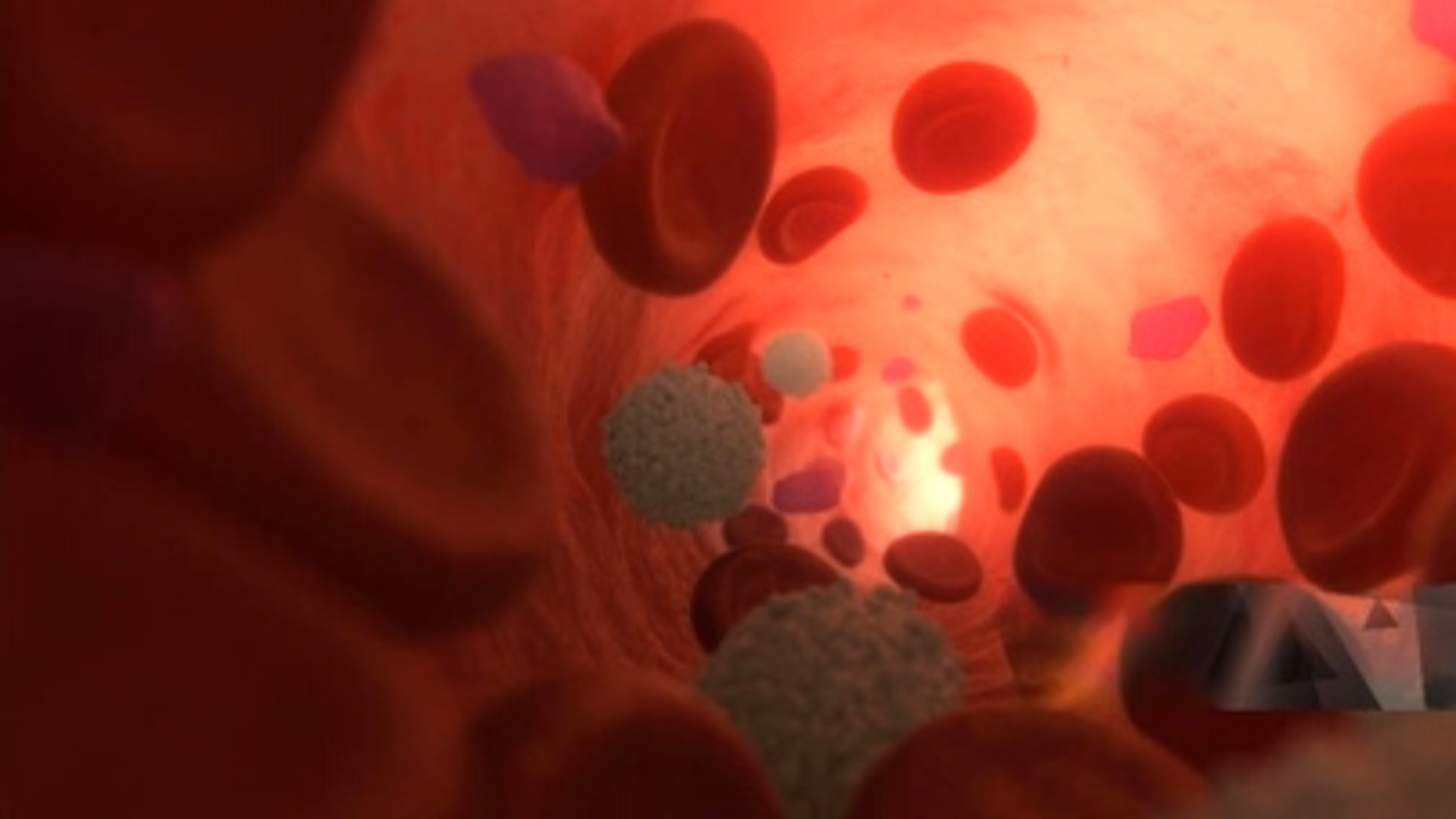
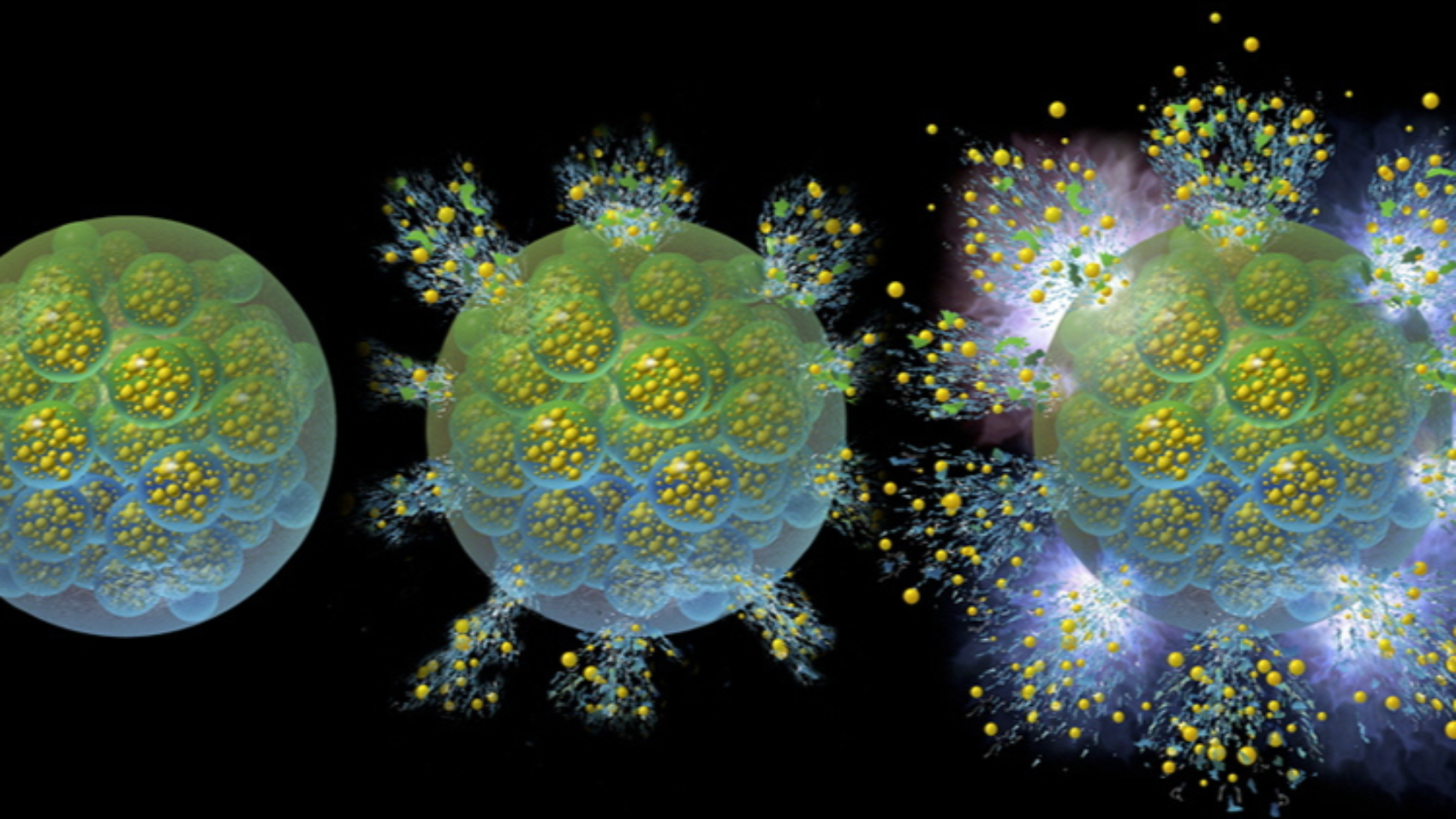
Exosomes are tiny, nano-sized vesicles that act as biological messengers, facilitating communication between cells. Derived from stem cells, exosomes are packed with proteins, lipids, and genetic material that play a crucial role in tissue repair, immune modulation, and cellular regeneration.

These powerful components are harvested from various sources, including:

  • Mesenchymal Stem Cells (MSCs): Known for their regenerative properties, MSCs are widely used in orthopedic, dermatological, and anti-aging therapies.
  • Adipose-Derived Stem Cells (ADSCs): Ideal for skin rejuvenation and wound healing, ADSCs are rich in growth factors that promote tissue repair.
  • Platelet-Derived Exosomes: Perfect for accelerating wound healing and reducing inflammation, these exosomes are packed with healing proteins.
  • Human Umbilical Cord Stem Cells (hUCMSCs): Highly potent and versatile, hUCMSCs are used for tissue regeneration and immune modulation.

At Etara Wellness, we use only the highest quality, ethically sourced exosomes to ensure optimal results for our clients.

How Does Exosome Therapy Work?

Exosome therapy harnesses the body’s natural healing processes to promote regeneration and repair. Here’s how it works:

  1. Cell Communication: Exosomes transfer bioactive molecules between cells, influencing healing, collagen production, and immune response.
  2. Tissue Regeneration: They encourage the repair and rejuvenation of damaged tissues, making them ideal for joint repair, wound healing, and skin rejuvenation.
  3. Immune Modulation: Exosomes reduce inflammation and support a balanced immune system.
  4. Collagen & Elastin Boost: They enhance skin elasticity and promote anti-aging benefits, leaving your skin firmer and more youthful.

Benefits of Exosome Therapy

The Exosome Therapy Procedure  

Exosome therapy offers a wide range of benefits, making it a preferred choice for both medical and aesthetic purposes:

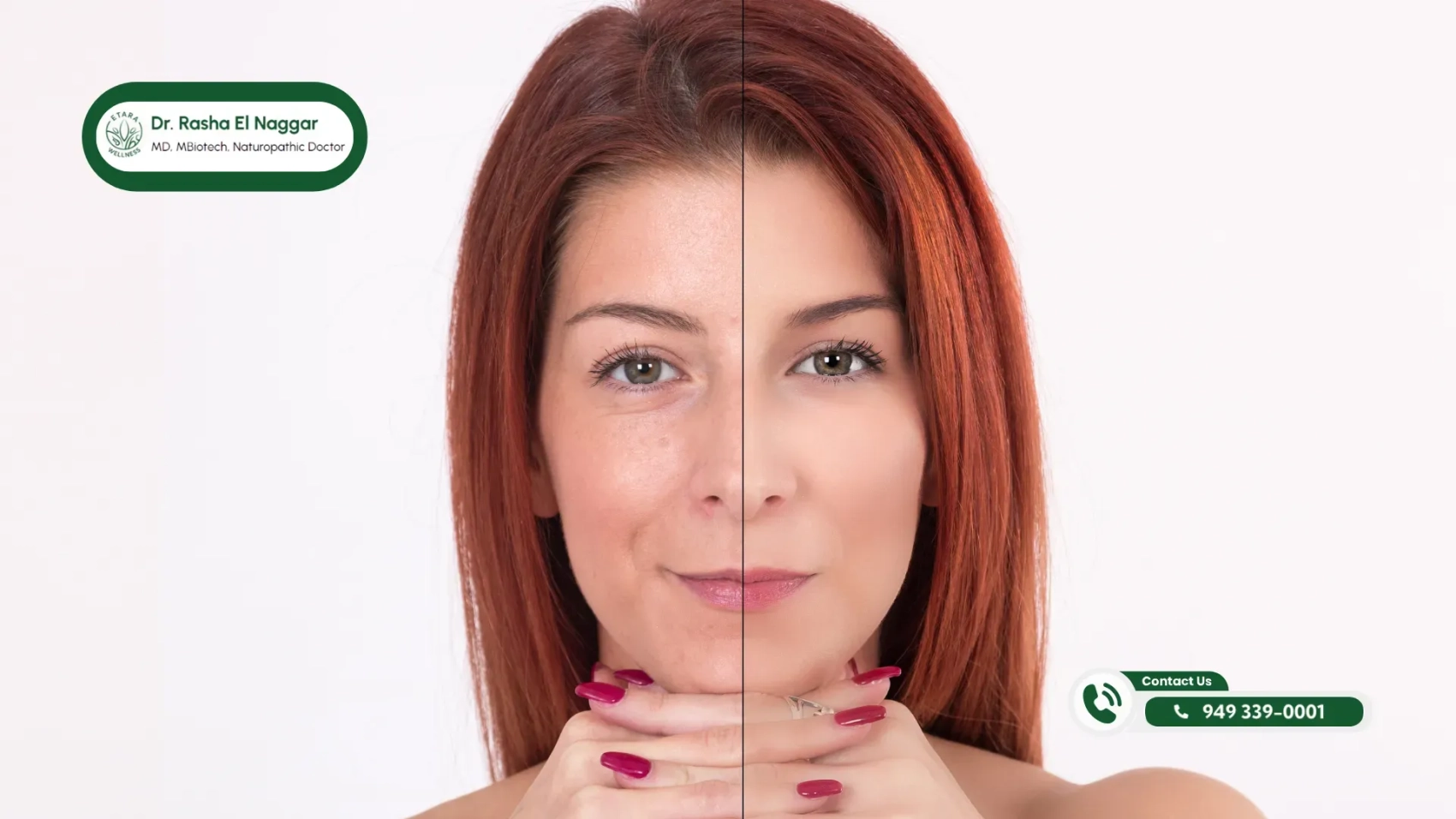
  • Skin Rejuvenation: This treatment reduces fine lines, wrinkles, and acne scars while improving hydration, elasticity, and brightness.
  • Hair Restoration: Stimulates hair follicles, promoting thicker, healthier hair growth and enhancing scalp health.
  • Joint & Muscle Repair: Accelerates healing in orthopedic injuries, arthritis, and sports-related conditions.
  • Wound Healing: Enhances the skin’s natural healing process, reducing scarring and improving recovery time.
  • Anti-Aging: Boosts collagen and elastin production, delivering long-lasting anti-aging results.

At Etara Wellness, we ensure a seamless and comfortable experience. Here’s what to expect:

  1. Consultation: Our experts will assess your needs and determine if exosome therapy suits you.
  2. Procedure: Exosomes are administered via injection, microneedling, or IV therapy, depending on your treatment goals.
  3. Recovery: Most patients experience minimal downtime, with visible results appearing within weeks to months.

The entire process is quick, safe, and designed to deliver natural, long-lasting results.

Possible Side Effects

Exosome therapy is considered safe when administered by trained professionals using high-quality products. Mild side effects may include:

  • Temporary redness or swelling at the application site
  • Mild discomfort or sensitivity
  • Rare cases of infection (minimized by our strict hygiene protocols)

Rest assured, our team will guide you through every step to ensure a safe and comfortable experience.

Exosome-therapy-for-joint-pain-relief

Frequently Asked Questions (FAQs) About Exosome Therapy

Is Exosome Therapy Safe?

Exosome therapy is generally considered safe when sourced from reputable laboratories and administered by trained professionals. At Etara Wellness, we emphasize the importance of using high-quality, ethically sourced exosomes to minimize risks. Our team, led by Dr. Rasha El Naggar, ensures that all treatments are conducted with strict hygiene protocols to prevent infections and other complications. Dr. El Naggar’s holistic approach focuses on integrating natural healing methods with advanced scientific techniques, ensuring a safe and effective experience for our clients.

How Long Does It Take to See Results from Exosome Therapy?

The time it takes to notice improvements from exosome therapy can vary depending on the treatment area and individual response. Most patients begin to see benefits within a few weeks to three months. For instance, exosome therapy for skin rejuvenation can lead to noticeable improvements in skin hydration and elasticity within this timeframe. Similarly, exosome therapy for hair restoration may start showing results as hair growth becomes thicker and healthier over a few months. Dr. El Naggar’s personalized care approach helps tailor treatments to each client’s unique needs, optimizing the timing and effectiveness of results.

How Many Treatments Are Needed for Optimal Benefits?

The number of exosome therapy sessions required can vary significantly from person to person. Some individuals may achieve their desired outcomes with a single session, while others may need multiple treatments to maximize benefits. For example, exosome therapy for joint repair might require several sessions to fully address chronic inflammation and promote tissue regeneration. Our team at Etara Wellness works closely with clients to develop a customized treatment plan that aligns with their specific health goals and budget, ensuring affordable exosome therapy options without compromising on quality.

Is Exosome Therapy Painful?

Most exosome therapy procedures involve minimal discomfort and require little to no downtime. Techniques such as injections, microneedling, or IV therapy are designed to be as comfortable as possible. Dr. El Naggar’s holistic approach emphasizes not only the physical comfort of our clients but also their emotional well-being, ensuring a stress-free experience throughout the treatment process.

Are Exosomes FDA-Approved?

Exosome products for therapeutic use are still being studied, and while they are not yet FDA-approved, we only use clinically validated and compliant products following the latest research. Our commitment to staying updated with the latest scientific advancements ensures that our treatments are both safe and effective. Dr. El Naggar’s expertise in integrating cutting-edge technology with holistic practices allows us to offer innovative solutions like exosome therapy while maintaining the highest standards of care.

What is exosome therapy?

Exosome therapy is a regenerative treatment that utilizes exosomes—tiny extracellular vesicles derived from stem cells—to promote healing and rejuvenation at the cellular level. Unlike stem cell therapy, which uses live cells, exosome therapy delivers powerful growth factors, proteins, and genetic material to enhance tissue repair, reduce inflammation, and stimulate collagen production. Many patients seek exosome therapy for skin rejuvenation, hair restoration, and joint repair due to its non-invasive nature and impressive results.

Dr. Rasha El Naggar takes a holistic approach to exosome treatments, ensuring that each patient receives a personalized plan tailored to their unique needs, whether for aesthetic enhancement or medical recovery.

What are the potential downsides of exosome therapy?

While exosome therapy offers promising benefits, it is essential to be aware of its potential risks. Since exosomes are still relatively new in regenerative medicine, long-term studies on their effects are limited. Some concerns include:

  • Variability in quality – Not all exosome products are created equal, and poorly processed or low-quality exosomes may reduce effectiveness. Choosing a reputable provider, like Dr. Rasha El Naggar’s clinic, ensures the best exosome therapy experience with high-quality, ethically sourced exosomes.
  • Mild side effects – Patients may experience slight redness, swelling, or soreness at the injection site, but these typically resolve quickly.
  • Cost factor – While many see it as an investment in long-term health, some find exosome therapy less affordable than traditional treatments. However, clinics offering affordable exosome therapy make it more accessible.

Is exosome therapy better than PRP?

Both exosome therapy and Platelet-Rich Plasma (PRP) therapy are popular regenerative treatments, but they work differently. PRP relies on a patient’s own blood platelets to stimulate healing, while exosome therapy delivers higher concentrations of growth factors and signaling molecules directly to damaged tissues.

Many patients report faster and more noticeable results with exosome therapy, especially in cases of skin rejuvenation, hair restoration, and joint repair. Dr. Rasha El Naggar’s patients often prefer exosome therapy over PRP due to its enhanced regenerative properties and minimal downtime.
Does exosome therapy really work?

Yes! Patients and doctors have reported significant improvements with exosome therapy for various conditions. The treatment works by enhancing cellular communication and regeneration, leading to benefits such as:

  • Firmer, youthful skin (boosting collagen and reducing wrinkles)
  • Thicker, healthier hair (stimulating dormant hair follicles)
  • Improved joint function (reducing inflammation and promoting tissue repair)

Dr. Rasha El Naggar’s holistic approach to exosome therapy ensures that patients achieve the best possible outcomes by combining exosome therapy with lifestyle recommendations and complementary treatments.

What are the risks of exosome therapy?

Exosome therapy is generally safe and well-tolerated, but as with any medical procedure, there are potential risks, including:

  • Allergic reactions – Rare, but possible if the body reacts to exosomal components.
  • Infection risk – As with any injection, there is a minor risk of infection if proper hygiene protocols aren’t followed.
  • Variable results – While most patients see improvements, individual responses vary based on health, genetics, and the quality of exosomes used.

By choosing a trusted exosome clinic like the one led by Dr. Rasha El Naggar, patients can minimize these risks and ensure a safe, high-quality experience.

Can exosome therapy help with chronic pain conditions beyond joints?

Absolutely—exosome therapy isn’t just for joint repair! Its regenerative power can ease chronic pain in muscles, tendons, and even nerve-related issues by reducing inflammation and promoting healing. Dr. Rasha El Naggar’s holistic approach shines here—she doesn’t just target the pain but looks at your whole system, from gut health to stress levels, to amplify the exosome benefits. Whether it’s an old injury or ongoing discomfort, our affordable exosome therapy at Etara Wellness offers a natural, effective path to relief.

What makes exosome therapy different from other regenerative treatments?

Exosome therapy stands out because it’s like giving your cells a direct line to healing. Unlike stem cell therapy, which introduces new cells, exosomes deliver powerful growth factors and signals to supercharge your body’s own repair process. This makes it versatile for exosome for skin rejuvenation, hair restoration, and joint repair. Dr. Rasha El Naggar enhances this with her holistic lens, blending ancient healing wisdom with modern science at Etara Wellness. It’s why we’re considered the best exosome clinic—our treatments work with your body, not against it.

How does exosome therapy fit into a busy lifestyle?

One of the best things about the exosome procedure is how seamlessly it fits into your life. Sessions are quick—often under an hour—and there’s minimal downtime, so you can get back to your day. Whether it’s exosome for skin rejuvenation or hair restoration, results build gradually, no drastic overnight changes. Dr. Rasha El Naggar designs treatments holistically to support your energy and vitality, not disrupt them. Plus, with our affordable exosome therapy pricing, it’s an investment that won’t stress your schedule or wallet.

Can exosome therapy be combined with other wellness treatments?

Yes, and that’s where Dr. Rasha El Naggar’s holistic expertise really makes a difference! Exosome therapy pairs beautifully with things like hormone balancing, nutritional support, or even naturopathic therapies to boost overall exosome benefits. Want exosome for skin rejuvenation? Add some targeted nutrients for glowing results. Focused on exosome for joint repair? Pair it with anti-inflammatory strategies. At Etara Wellness, we customize combinations to fit your needs, making us the best exosome clinic for a whole-body approach.

Who’s the ideal candidate for exosome therapy?

Honestly, almost anyone looking to heal or enhance their body naturally could benefit! Whether you’re after exosome for hair restoration to thicken thinning hair, exosome for skin rejuvenation to turn back the clock, or exosome for joint repair to move freely again, it’s incredibly versatile. Dr. Rasha El Naggar takes a holistic view, ensuring it’s right for you by considering your health history, goals, and lifestyle. At Etara Wellness, our affordable exosome therapy makes it accessible to anyone ready to invest in their well-being.

What makes exosome therapy different from other regenerative treatments?

Exosome therapy represents the cutting edge of regenerative medicine, offering distinct advantages over other treatments. Unlike PRP or stem cell therapies that require harvesting cells from your own body, the exosome procedure is non-invasive and utilizes pre-harvested exosomes. These tiny vesicles contain powerful growth factors and genetic material that can target specific areas with remarkable precision. Dr. El Naggar’s holistic approach means she often incorporates exosome therapy into comprehensive treatment plans that address not just symptoms but underlying causes, creating synergistic effects that enhance overall results and long-term wellness.

Can exosome therapy be combined with other treatments?

Absolutely! One of the advantages of choosing Etara Wellness for your exosome therapy is Dr. El Naggar’s expertise in combining complementary treatments for enhanced results. Exosome for skin rejuvenation can be paired with targeted nutrition and specialized facial techniques for a comprehensive approach to aging. Similarly, exosome for joint repair may be complemented by therapeutic movement and anti-inflammatory protocols. Dr. El Naggar’s background in both conventional and naturopathic medicine allows her to create truly integrated treatment plans that address your health concerns from multiple angles.

How do I know if I’m a good candidate for exosome therapy?

The best way to determine if you’re a good candidate for exosome therapy is through a personalized consultation at Etara Wellness. Dr. El Naggar takes time to understand your health history, concerns, and goals before recommending any treatment. Generally, exosome therapy can benefit individuals seeking natural solutions for skin aging, hair thinning, joint pain, or tissue repair. However, Dr. El Naggar’s holistic evaluation considers factors beyond the obvious symptoms—including hormone balance, inflammatory markers, and lifestyle factors—ensuring that exosome therapy will truly address your specific needs rather than just temporarily masking symptoms.

What should I expect during recovery after exosome therapy?

Recovery after exosome therapy is typically minimal, which is why it’s becoming increasingly popular for busy professionals seeking effective treatments without significant downtime. For exosome for skin rejuvenation, you might experience mild redness or swelling for 24-48 hours, similar to a light sunburn. Exosome for hair restoration may cause mild scalp tenderness for a day or two. Joint treatments typically allow you to resume normal activities within 24 hours, though Dr. El Naggar might recommend avoiding strenuous exercise for a short period. At Etara Wellness, we provide comprehensive aftercare instructions tailored to your specific treatment, and Dr. El Naggar’s holistic approach includes nutrition and lifestyle recommendations to optimize your healing response.

Why is affordable exosome therapy at Etara Wellness still high quality?

At Etara Wellness, Dr. El Naggar has made it her mission to make cutting-edge regenerative treatments accessible without compromising quality. As the best exosome clinic in Orange County, we’ve established direct relationships with premium exosome suppliers, eliminating unnecessary markups. Additionally, Dr. El Naggar’s efficient treatment protocols—developed through years of clinical experience—minimize waste while maximizing results. This combination of smart sourcing and expert application allows us to offer affordable exosome therapy without cutting corners on quality or safety. Dr. El Naggar believes that true healing should be accessible to all who need it, not just those with unlimited resources.

How does Dr. El Naggar’s background influence the exosome treatments at Etara Wellness?

Dr. Rasha El Naggar brings a uniquely comprehensive perspective to exosome therapy that few practitioners can match. With her conventional medical training (MD), advanced scientific knowledge (MS in Biotechnology), and naturopathic expertise (ND), she approaches regenerative medicine with both scientific precision and holistic wisdom. This integrated background allows her to select the most appropriate exosome formulations for your specific needs, administer them with anatomical precision, and support your body’s response through complementary natural approaches. At Etara Wellness, exosome therapy isn’t just a standalone procedure—it’s part of Dr. El Naggar’s comprehensive approach to restoring balance and vitality to your body, addressing not just isolated symptoms but supporting your entire system’s return to optimal function.

Why Choose Etara Wellness for Exosome Therapy?

Etara Wellness stands out as the best exosome clinic due to our commitment to using only the highest quality, ethically sourced exosomes. Our team, led by Dr. Rasha El Naggar, offers personalized care tailored to each client’s unique needs, ensuring optimal results. We pride ourselves on providing affordable exosome therapy without compromising on quality, making luxury treatments accessible to everyone. Dr. El Naggar’s holistic approach combines ancient healing traditions with contemporary scientific evidence, empowering individuals to achieve balance, vitality, and optimal health through treatments like exosome therapy for skin rejuvenationhair restoration, and joint repair.

Etara-Wellness-Dr-Rasha-El-Naggar-Reviews

What Our Patients Say About Etara Wellness

Finding Hope After Misdiagnosis

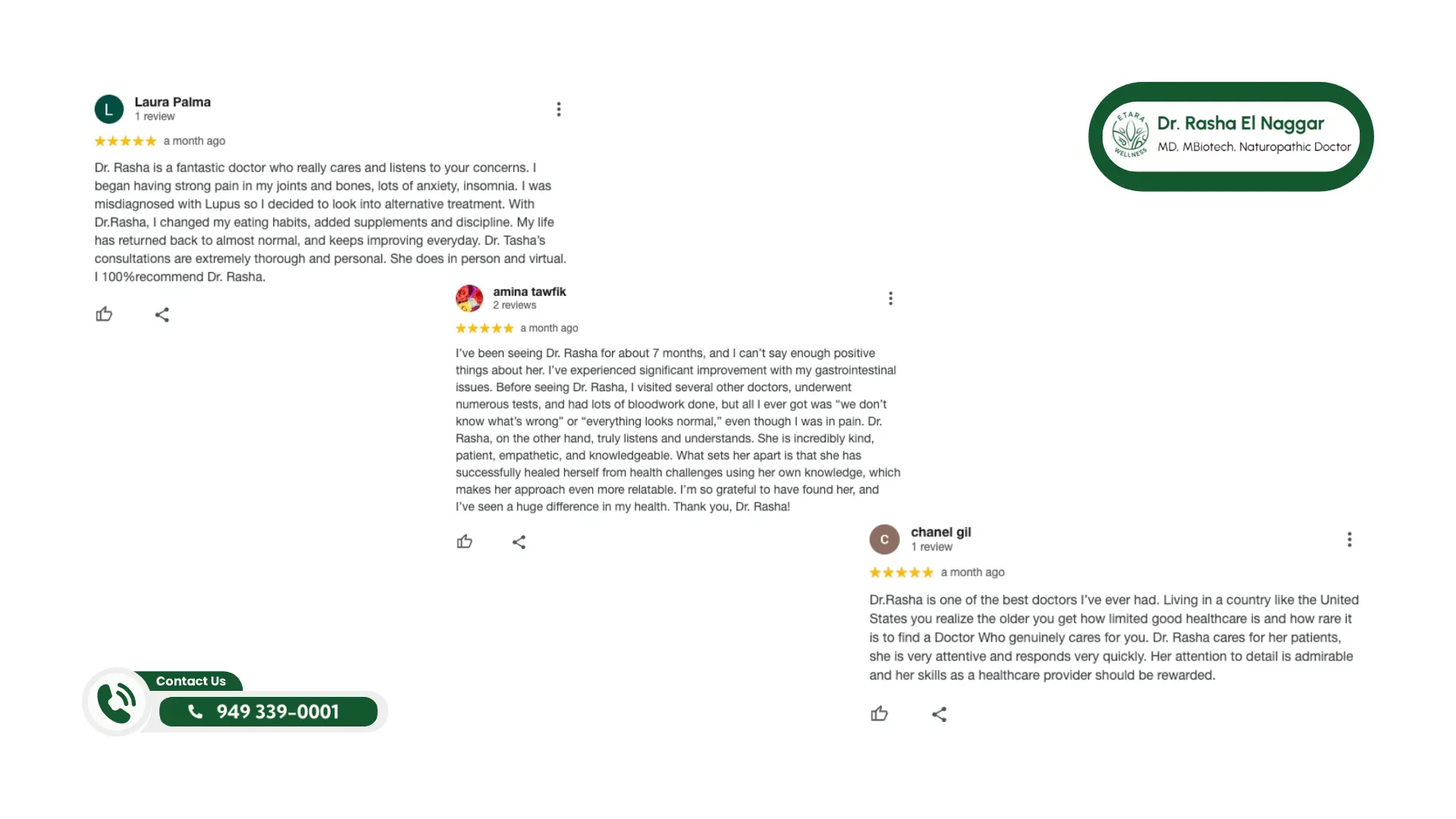
“After being misdiagnosed with Lupus and suffering from debilitating joint pain, anxiety, and insomnia, Laura found her way to Dr. Rasha El Naggar. Through personalized nutritional guidance, targeted supplementation, and a disciplined approach, Laura has experienced a remarkable recovery. ‘My life has returned back to almost normal, and keeps improving everyday,’ she shares. Laura particularly values Dr. Rasha’s thorough consultations, available both virtually and in-person.” — Laura P., Patient since 2023

A Solution When Others Found None

“Seven months of treatment with Dr. Rasha has transformed Amina’s health journey. After seeing multiple specialists who could offer no answers despite extensive testing and bloodwork, Amina finally found relief from her persistent gastrointestinal issues. ‘Dr. Rasha truly listens and understands,’ Amina explains. Patients appreciate that Dr. Rasha brings her personal healing journey to her practice, making her approach both evidence-based and deeply empathetic. For Amina, this combination has made all the difference.” — Amina T., Patient since 2024

Healthcare That Goes Above and Beyond

“In a healthcare landscape where genuine care can feel increasingly rare, Chanel describes Dr. Rasha as ‘one of the best doctors I’ve ever had.’ What sets the Etara Wellness experience apart is Dr. Rasha’s exceptional attentiveness, quick responsiveness, and remarkable attention to detail. Patients like Chanel value finding a healthcare provider who approaches treatment with both clinical expertise and authentic concern for their wellbeing.” — Chanel G., Long-term patient

The Etara Wellness Difference

These testimonials reflect a consistent pattern among Dr. Rasha El Naggar’s patients: lives transformed through her unique holistic approach to wellness. Where conventional medicine often treats symptoms in isolation, Dr. Rasha addresses the whole person—body, mind, and spirit. Her integrative methodology combines nutritional science, targeted supplementation, lifestyle modifications, and personalized care plans that adapt to each patient’s unique needs.

Patients repeatedly emphasize how Dr. Rasha takes the time to truly listen and investigate root causes rather than simply managing symptoms. This comprehensive approach, combined with her genuine compassion and accessibility, creates a healing environment where patients feel both heard and supported throughout their wellness journey. The results speak for themselves—patients who had previously lost hope are now experiencing renewed vitality and sustained improvements in their health.

Why Choose Etara Wellness?

At Etara Wellness, we stand out from the competition for several reasons:

  • Premium Quality Products: We use only the best, ethically sourced exosomes to ensure optimal results.
  • Affordable Pricing: Our treatments are competitively priced, offering you exceptional value without compromising on quality.
  • Expert Team: Our skilled professionals have years of experience in regenerative medicine, ensuring you’re in safe hands.
  • Personalized Care: We tailor each treatment to your unique needs, ensuring the best possible outcomes.
  • Proven Results: Our satisfied clients are a testament to the effectiveness of our exosome treatments.

Exosome-Therapy

Ready to Transform Your Life with Exosome Therapy?

At Etara Wellness, we’re committed to helping you look and feel your best. Our exosome treatments are designed to deliver natural, long-lasting results, and our unbeatable prices make luxury treatments accessible to everyone.

Don’t wait—take the first step toward a healthier, more confident you. Contact us today to schedule your consultation and discover why we’re the top choice for exosome therapy!

CLAIM YOUR 15 MINUTES FREE PHONE CALL 

—————————————————————————————————————————————–

Disclaimer: This content is for educational purposes only and not intended as medical advice. Consult a healthcare professional for any medical concerns.

—————————————————————————————————————————————–

Dr. Rasha El Naggar, MD, Ms.Biotech, ND – Founder of Etara Wellness

Dr. Rasha El Naggar is a distinguished Naturopathic Doctor, who melds rigorous scientific training with a holistic approach to wellness. Her academic journey commenced at Ain Shams University, Egypt, where she was awarded her MD, followed by an MS in Biotechnology from Johns Hopkins University. Dr. El Naggar further honed her expertise in naturopathic medicine at Bastyr University, San Diego, embodying a profound commitment to integrative health practices.

Based in Orange County, California, Dr. El Naggar is renowned for her personalized care in hormonal regulation, weight management, gut health, mental well-being, and regenerative medicine. Her health challenges catalyzed her passion for naturopathy, fostering a deep empathy and a holistic methodology in patient care.

As the visionary behind Etara Wellness, Dr. El Naggar integrates ancient healing traditions with contemporary scientific evidence. Her mission is to empower individuals to achieve balance, vitality, and optimal health. Dr. El Naggar’s professional narrative is characterized by resilience, innovation, and a relentless pursuit of wellness, making her a vanguard in naturopathic medicine.


4

Revitalize Your Health Through Detoxifying Your Body

In a world where our bodies continually encounter toxins from food, the environment, and daily stressors, understanding and implementing detoxification is vital for maintaining our health and vitality. Dr. Rasha El Naggar, at Etara Wellness, offers a unique approach to wellness, emphasizing the importance of detoxification in achieving optimal health. Through this blog, we’ll explore effective detox strategies, guided by Dr. Rasha’s expertise, to empower you with the knowledge to enhance your body’s natural ability to heal and detoxify itself. Let’s begin this journey towards a healthier, more vibrant you with Etara Wellness leading the way.

Understanding Detoxification

Detoxification is like your body’s own, highly sophisticated cleaning service, working around the clock to protect you from the unwanted guests of modern life: pollutants, processed food additives, and stress, to name a few. It’s a natural process where organs such as the liver, kidneys, and even your skin team up to filter out the bad stuff, keeping your systems running smoothly. Dr. Rasha often describes it as giving your body a helping hand to enhance its natural ability to cleanse itself. In a nutshell, by supporting detoxification, we’re not just helping our body do its job, we’re investing in our overall health, ensuring we feel better, live longer, and thrive.

At the heart of detoxification are the emunctories, our body’s natural pathways for eliminating toxins and wastes. These include primary organs such as the liver, kidneys, skin, lungs, and intestines — each playing a pivotal role in processing and expelling various substances to prevent the accumulation of toxins. The efficient functioning of these emunctory organs is crucial for our health, aiding in reducing the risk of inflammation and disease. By supporting our emunctories through healthy lifestyle choices, we enhance our body’s natural defenses and promote optimal physiological processes.

The Role of Our Organs in Detoxification

  • The Liver: Central to detoxification, the liver processes toxins through two critical phases. Phase I involves the cytochrome P450 enzymes, transforming toxins into less harmful substances. This phase underscores the necessity of antioxidants in neutralizing free radicals produced during detoxification. Phase II takes these transformed toxins and makes them water-soluble for elimination, highlighting the importance of nutrients in our diet to support this phase. The liver’s adept handling of toxins protects us from potential harms, including those related to hormone imbalances such as estrogen dominance, where proper liver function can mitigate the risks associated with excess estrogen.
  • The Kidneys: These bean-shaped organs filter blood to remove wastes and excess fluids from the body through urine. They are responsible for excreting a variety of toxins, including by-products of digestion, and play a key role in maintaining electrolyte and fluid balance, which is vital for all bodily functions.
  • The Skin: As the body’s largest organ, the skin is a powerful detoxification tool through sweat. Sweating not only helps regulate body temperature but also facilitates the removal of toxins, including heavy metals like lead and mercury.
  • The Digestive System: A healthy digestive system is instrumental in detoxification. The gut eliminates toxins by moving them through and out of the intestines, preventing them from re-entering the bloodstream. A fiber-rich diet supports this process by ensuring regular bowel movements, which is critical for expelling toxins.
  • The Lungs: Often overlooked in discussions of detoxification, the lungs play a vital role in expelling carbon dioxide, a by-product of metabolism, from the body. Deep breathing exercises can enhance lung function, aiding in the detoxification process.
  • The Lymphatic System: Beyond the organs traditionally recognized for their role in detoxification, the lymphatic system plays a crucial, yet often overlooked, part in our body’s ability to cleanse itself. This extensive network of vessels and nodes transports lymph, a fluid containing infection-fighting white blood cells, throughout the body. The lymphatic system acts as a major player in removing waste products and toxins from the cellular level, supporting the other emunctory organs in maintaining the body’s internal environment. Regular physical activity, hydration, and practices such as lymphatic drainage massage can enhance the function of this vital system, promoting overall health and detoxification.

By understanding and supporting our body’s detoxification systems, we can achieve a higher level of health and prevent the accumulation of toxins that could lead to disease.

Signs You Need to Detox

Our bodies often signal when the load of toxins becomes too heavy, impacting our health and well-being. Recognizing these signs can help you understand when your body might benefit from additional support in detoxification. Common indicators include:

  • Persistent Fatigue: Feeling tired, even after a good night’s sleep, can suggest your body is working hard to manage toxins.
  • Digestive Discomfort: Bloating, gas, constipation, or diarrhea can indicate disruptions in your gut health, affecting your body’s detox processes.
  • Skin Issues: Acne, rashes, and other skin problems may signal that your body is trying to eliminate toxins through the skin.
  • Mood Swings: An overload of toxins can affect your mental health, leading to feelings of anxiety or depression.
  • Brain Fog: Difficulty concentrating, memory lapses, and a lack of mental clarity can be attributed to toxin exposure.

Foods That Support Detoxification


Incorporating specific foods into your daily diet can significantly boost your body’s natural detoxification processes. These selections, recommended by Dr. Rasha El Naggar, are packed with nutrients that aid in cleansing the body of toxins, supporting the essential work of your liver, kidneys, digestive system, skin, and lungs.

  • Cruciferous Vegetables: Broccoli, Brussels Sprouts, Cauliflower, and Kale enhance detoxification through fiber and glucosinolates, aiding in toxin neutralization.
  • Leafy Greens: Spinach, Chard, and other greens are antioxidant powerhouses, offering beta-carotene, vitamin C, and chlorophyll to combat oxidative stress and facilitate heavy metal excretion.
  • Green Tea: A prime source of catechins, it bolsters liver function and aids detox efforts. Incorporate it daily for its antioxidant benefits.
  • Garlic and Onions: Rich in sulfur, these staples boost glutathione production, a crucial detoxifying enzyme, enhancing Phase II detoxification.
  • Citrus Fruits: Lemons, Limes, Oranges, and Grapefruits, with their high vitamin C content, help transform toxins into digestible forms and kick-start digestive health each morning.
  • Beets and Carrots: Known for their beta-carotene and flavonoids, they improve liver function and support the body’s detox mechanisms.
  • Healthy Fats: Avocados, Olive Oil, and Flaxseed, rich in omega-3s and other healthy fats, protect cell membranes and support toxin elimination.
  • Berries: Strawberries, Blueberries, and Raspberries are filled with antioxidants that aid in detoxification and enhance immune function.
  • Nuts and Seeds: Almonds, Walnuts, and Chia Seeds provide essential fatty acids and fiber, supporting digestive health and toxin removal.
  • Whole Grains: Quinoa, Brown Rice, and Oats offer fiber that aids in elimination and supports a healthy gut.
  • Probiotic-Rich Foods: Yogurt, Kefir, Sauerkraut, and Kimchi introduce beneficial bacteria, promoting a balanced gut microbiome essential for detoxification.
  • Herbs and Spices: Turmeric, Cilantro, and Parsley contain compounds that support detoxification, liver health, and digestion.
  • Hydration Boosters: Cucumber, Watermelon, and Herbal Teas keep hydration levels optimal, crucial for diluting and excreting toxins.

By incorporating these foods into your meals, you not only aid your body’s detox pathways but also contribute to a richer, more vibrant nutritional profile.

Hydration and Exercise in Detoxification

Detoxification is not only about what we eat but also encompasses how we maintain our body’s hydration and engage in physical activity. Combining adequate hydration with regular physical activity forms a powerful duo in supporting the body’s detoxification efforts. Both elements work synergistically to enhance the natural processes that keep our systems clean and functioning optimally.

Water is crucial for flushing toxins out through the kidneys, aiding digestion, and facilitating the liver’s detoxifying actions. On the other hand, exercise boosts circulation, increases sweat production, and stimulates the lymphatic system, further aiding in the removal of toxins.

  • Aim for 8-10 glasses of water daily, adjusting for activity levels and environmental factors. Including hydrating foods like cucumbers and watermelon can also contribute to your fluid intake.
  • Begin your day with warm lemon water to stimulate your digestive system and liver function.
  • Engage in regular aerobic activities (walking, cycling) to promote oxygenation and toxin elimination through increased blood flow.
  • Incorporate strength training to enhance metabolism and support the body’s detox capabilities.
  • Practice yoga or stretching to improve lymphatic flow and flexibility, complemented by deep breathing to assist in expelling toxins.

Adopting a lifestyle that values hydration and physical activity not only supports detoxification but also promotes overall health, energy, and well-being.

Stress Management and Quality Sleep for Detoxification

In addition to a nutrient-rich diet and regular physical activity, managing stress and ensuring quality sleep are paramount in supporting the body’s natural detoxification processes. These aspects play a vital role in how effectively our bodies can eliminate toxins, underscoring the importance of holistic wellness practices for optimal health.

Chronic stress disrupts the body’s detox pathways, while inadequate sleep hampers the brain’s ability to cleanse itself through the glymphatic system. Tackling these challenges requires a multifaceted approach:

  • Adopt a Relaxing Nighttime Routine: Transition to sleep with calming activities like reading or gentle yoga to signal your body it’s time to wind down.
  • Minimize Blue Light Exposure: Reduce screen time in the evening to improve sleep quality and support the body’s natural detox cycle.
  • Optimize Your Sleep Environment: Create a restful atmosphere in your bedroom—cool, dark, and quiet—to promote deep, restorative sleep.
  • Incorporate Relaxation Techniques: Utilize deep breathing, meditation, or mindfulness practices to manage stress, enhancing detoxification.
  • Engage in Regular, Moderate Exercise: Besides its direct detox benefits, exercise can also alleviate stress and improve sleep quality, further supporting the body’s detox processes.

By focusing on stress management and sleep quality, in addition to diet and exercise, you can significantly boost your body’s ability to detoxify. 

Key Benefits of Detoxification

Effective detoxification can lead to significant improvements in overall health and well-being. Here’s a closer look at the benefits of detoxification:

  • Improved Digestion: Enhances gut health, promoting regularity and nutrient absorption.
  • Boosted Energy and Focus: Clears out toxins that can slow you down, leading to better energy levels and sharper mental clarity.
  • Stronger Immune Defense: Helps cleanse the body of substances that could weaken your immune system, keeping you healthier.
  • Skin Clarity: Supports skin detox pathways, leading to improved complexion and reduced acne.
  • Weight Management: Facilitates the shedding of toxin-laden fat cells, aiding in weight control.
  • Balanced Hormones: Helps eliminate substances that mimic or block hormones, supporting your body’s natural hormonal balance.
  • Mental Wellness: Reduces cognitive load from toxins, improving mood and mental clarity.
  • Inflammation Reduction: Lowers systemic inflammation, a precursor to many chronic conditions.
  • Overall Well-being: Contributes to a holistic sense of health, enhancing life quality.

Emphasizing detoxification as part of a comprehensive health strategy can yield profound benefits, from physical to psychological wellness.

Conclusion

In conclusion, detoxification is not merely a trendy fad but a fundamental aspect of maintaining holistic health and vitality in today’s toxin-laden world. By understanding the intricate processes of detoxification within our bodies and implementing practical strategies like nutritious eating, hydration, exercise, stress management, and quality sleep, we empower ourselves to thrive. Dr. Rasha El Naggar’s expertise at Etara Wellness guides us on this transformative journey towards optimal well-being, reminding us that investing in our body’s natural detoxification abilities is an investment in our overall health and longevity.

CLAIM YOUR 15 MINUTES FREE PHONE CALL 

—————————————————————————————————————————————–

Disclaimer: This content is for educational purposes only and not intended as medical advice. Consult a healthcare professional for any medical concerns.

—————————————————————————————————————————————–

Dr. Rasha El Naggar, MD, Ms.Biotech, ND – Founder of Etara Wellness

Dr. Rasha El Naggar is a distinguished Naturopathic Doctor, who melds rigorous scientific training with a holistic approach to wellness. Her academic journey commenced at Ain Shams University, Egypt, where she was awarded her MD, followed by an MS in Biotechnology from Johns Hopkins University. Dr. El Naggar further honed her expertise in naturopathic medicine at Bastyr University, San Diego, embodying a profound commitment to integrative health practices.

Based in Orange County, California, Dr. El Naggar is renowned for her personalized care in hormonal regulation, weight management, gut health, mental well-being, and regenerative medicine. Her health challenges catalyzed her passion for naturopathy, fostering a deep empathy and a holistic methodology in patient care.

As the visionary behind Etara Wellness, Dr. El Naggar integrates ancient healing traditions with contemporary scientific evidence. Her mission is to empower individuals to achieve balance, vitality, and optimal health. Dr. El Naggar’s professional narrative is characterized by resilience, innovation, and a relentless pursuit of wellness, making her a vanguard in naturopathic medicine.
Dr Rasha Al Naggar Naturopathic Doctor

A Healthcare Provider’s Guide to Patient Well-Being

Importance of Well-Being and Resilience in Healthcare

In the fast-paced world of 2024, where the demands on our time and attention seem endless, prioritizing well-being and resilience has never been more crucial. As a healthcare provider, fostering a holistic approach to patient care goes beyond treating ailments, it involves empowering individuals to cultivate robust mental and physical health. 

In this blog, we’ll explore some practical tips to guide your patients towards building resilience and enhancing their overall well-being.

1. Create a Trust-Based (Supportive) Patient-Provider Relationship

a. Open Communication

  • Encourage patients to express their concerns, preferences, and expectations openly.
  • Foster an environment where patients feel comfortable sharing personal information

b. Active Listening

  • Demonstrate active listening by maintaining eye contact, nodding, and paraphrasing to show understanding.
  • Ask open-ended questions to delve deeper into patients’ thoughts and feelings.

c. Empathy

  • Show genuine empathy by acknowledging patients’ emotions and validating their experiences.
  • Use compassionate language and express understanding of their unique situations.

d. Shared Decision-Making

  • Collaborate with patients in decision-making processes regarding their treatment plans.
  • Provide clear information, discuss available options, and respect their autonomy in making choices.

2. Encourage Regular Physical Exercise

a. Customized Exercise Plans

  • Assess patients’ physical abilities, preferences, and health conditions to tailor exercise recommendations.
  • Provide a variety of exercise options, including aerobic, strength training, and flexibility exercises.

b. Mental Health Benefits

  • Explain how regular exercise positively impacts mental health by reducing stress hormones and promoting the release of endorphins.
  • Emphasize the role of exercise in managing anxiety and depression.

c. Integration into Daily Life

  • Encourage patients to find enjoyable physical activities to incorporate into their daily routines.
  • Provide resources for at-home exercises and offer guidance on overcoming barriers to regular exercise.

3. Focus on Nutritional Well-Being

a. Importance of Balanced Nutrition

  • Educate patients on the essential nutrients required for overall health and well-being.
  • Highlight the impact of a balanced diet on energy levels, immune function, and disease prevention.


b. Meal Planning and Preparation

  • Offer practical tips for planning and preparing nutritious meals, considering time constraints and budget.
  •  Provide simple recipes and snack ideas that align with a balanced and healthy diet.

c. Individualized Nutrition Counseling

  • Consider patients’ unique dietary needs, such as allergies, intolerances, or chronic conditions.
  • Collaborate with a nutritionist or dietitian for more personalized nutritional guidance.

d. Hydration

  • Stress the importance of proper hydration for physical and mental well-being.
  • Encourage patients to monitor their water intake and choose water as their primary beverage.

4. Ensure Restorative Sleep

a. Sleep Hygiene Practices

  • Educate patients on creating a sleep-conducive environment, including a comfortable mattress and dark, quiet surroundings.
  • Emphasize the importance of maintaining a consistent sleep schedule, even on weekends.

b. Limit Stimulants and Electronics Before Bed

  • Advise patients to avoid stimulants like caffeine and nicotine close to bedtime.
  • Suggest establishing a “digital curfew” by reducing screen time at least an hour before bedtime to promote melatonin production.

c. Relaxation Techniques for Better Sleep

  • Teach relaxation exercises such as deep breathing, progressive muscle relaxation, or guided imagery.
  • Recommend a calming pre-sleep routine to signal the body that it’s time to wind down.

5. Implement Mindfulness and Meditation Practices

a. Introduction to Mindfulness

  • Define mindfulness and its role in promoting awareness and presence in the moment.
  • Share examples of mindfulness exercises, such as focused breathing or body scan meditation.


b. Benefits for Emotional Well-Being

  • Explain how mindfulness practices can help manage stress, anxiety, and depressive symptoms.
  • Emphasize the cultivation of emotional resilience through increased self-awareness and acceptance.

c. Incorporating Mindfulness into Daily Life

  • Encourage patients to integrate mindfulness into everyday activities, such as mindful eating or mindful walking.
  • Provide resources like apps or guided recordings to support their mindfulness journey.

6. Build Strong Social Networks

a. Community Engagement

  • Stress the importance of being actively involved in the community for social support.
  •  Encourage participation in local events, clubs, or volunteer opportunities.

b. Quality Relationships

  • Emphasize the significance of fostering meaningful connections with friends and family.
  • Guide patients in maintaining healthy boundaries and addressing toxic relationships.

c. Digital vs. In-Person Interaction

  • Discuss the difference between digital and face-to-face interactions in terms of building genuine connections.
  • Encourage in-person gatherings or phone calls to strengthen social ties.

d. Support Groups

  • Highlight the value of support groups for individuals facing similar challenges.
  • Provide information about local or online support groups related to specific health conditions.

7. Manage Stress Effectively

a. Identify Stressors

  • Guide patients in identifying sources of stress in their lives, both external and internal.
  • Encourage self-awareness to recognize triggers and patterns.

b. Coping Mechanisms

  • Introduce a variety of stress-management techniques, including deep breathing, progressive muscle relaxation, and visualization.
  • Discuss healthy coping mechanisms such as exercise, hobbies, or spending time in nature.

c. Time Management

  • Assist patients in effective time management to reduce feelings of overwhelm.
  • Help prioritize tasks and set realistic goals to create a sense of accomplishment.

8. Expressive Writing and Journaling

a. Emotional Processing Through Writing

  • Explain the therapeutic benefits of expressive writing for processing emotions.
  • Emphasize that journaling can serve as a tool for self-reflection and understanding.

b. Getting Started with Journaling

  • Provide prompts to help patients begin their journaling practice.
  • Encourage regular but brief entries to make journaling a sustainable habit.

c. Tracking Progress and Patterns

  • Guide patients in using journaling to track moods, stressors, and positive experiences.
  • Discuss how this tracking can provide insights into emotional patterns and resilience.

9. Structure Daily Routines

a. Establishing Consistency

  • Stress the importance of a consistent daily routine for a sense of security.
  • Help patients create a schedule that includes regular meal times, exercise, work, and leisure.

b. Balancing Work and Leisure

  • Address the significance of finding a balance between work responsibilities and leisure activities.
  • Encourage patients to allocate time for hobbies and relaxation.

c. Adaptability in Routine

  • Acknowledge the need for flexibility in routines based on individual circumstances.
  • Discuss strategies for adapting routines during busy or challenging periods.

10. Encourage Lifelong Learning and Engagement

a. Cognitive Resilience through Learning

  • Explain how engaging in continuous learning contributes to cognitive resilience.
  • Emphasize the brain’s ability to adapt and grow through acquiring new skills and knowledge.

b. Identifying Interests and Hobbies

  • Guide patients in discovering hobbies and activities aligned with their interests.
  • Discuss the positive impact of pursuing enjoyable and intellectually stimulating endeavors.

c. Setting Realistic Learning Goals

  • Encourage patients to set achievable learning goals.
  • Emphasize the importance of a growth mindset, viewing challenges as opportunities for learning.

11. Digital Detox Strategies

a. Awareness of Technology Use

  • Encourage patients to assess their daily technology use and its impact on stress levels.
  • Discuss the potential benefits of reducing screen time for mental well-being.

b. Setting Boundaries

  • Provide tips for setting healthy boundaries with digital devices.
  • Suggest designated tech-free times, especially before bedtime or during meals.

c. Engaging in Offline Activities

  • Discuss the importance of balancing online and offline activities.
  • Recommend engaging in hobbies, exercise, or face-to-face interactions as alternatives to screen time.

12. Regular Medical Check-Ups

a. Preventative Healthcare

  • Stress the significance of preventative healthcare in maintaining long-term resilience.
  • Emphasize that regular check-ups can detect potential health issues early, allowing for timely intervention.


b. Screenings and Vaccinations

  • Highlight the importance of an age-appropriate screening period.
  • Provide information on the role of vaccinations and the importance of proper scheduling period.

c. Building a Healthcare Routine

  • Encourage patients to incorporate regular medical check-ups into their healthcare routine.
  • Discuss the collaborative role of patients and healthcare providers in proactive health management.

Conclusion

In this comprehensive guide, we’ve explored twelve key strategies to empower patients on their journey toward enhanced well-being and resilience. Each tip is rooted in evidence-based practices and tailored to the unique needs of individuals navigating the complexities of modern life.

As healthcare providers, our role extends beyond the clinic walls. It involves empowering our patients to take an active role in their health, and to become architects of their resilience. By integrating these twelve tips into our practice, we contribute not only to the health of individuals but also to the creation of a community resilient in the face of the challenges that lie ahead.

In conclusion, let us continue to be advocates for holistic well-being, fostering resilience in our patients that extends far beyond the confines of a diagnosis or treatment plan. Together, we can shape a healthier, more resilient future for individuals and communities alike.

It’s also crucial to acknowledge that personalized health plans can make all the difference. Dr. Rasha El Naggar, through her clinic, Etara Wellness, has been a guiding force in helping individuals craft effective health strategies. For personalized insights and to begin your journey towards better health, don’t hesitate to reach out to Dr. Rasha El Naggar at Etara Wellness

Your path to a healthier and more vibrant life may be just a consultation away.

CLAIM YOUR 15 MINUTES FREE PHONE CALL 

—————————————————————————————————————————————–

Disclaimer: This content is for educational purposes only and not intended as medical advice. Consult a healthcare professional for any medical concerns.

—————————————————————————————————————————————–

Dr. Rasha El Naggar, MD, Ms.Biotech, ND – Founder of Etara Wellness

Dr. Rasha El Naggar is a distinguished Naturopathic Doctor, who melds rigorous scientific training with a holistic approach to wellness. Her academic journey commenced at Ain Shams University, Egypt, where she was awarded her MD, followed by an MS in Biotechnology from Johns Hopkins University. Dr. El Naggar further honed her expertise in naturopathic medicine at Bastyr University, San Diego, embodying a profound commitment to integrative health practices.

Based in Orange County, California, Dr. El Naggar is renowned for her personalized care in hormonal regulation, weight management, gut health, mental well-being, and regenerative medicine. Her health challenges catalyzed her passion for naturopathy, fostering a deep empathy and a holistic methodology in patient care.

As the visionary behind Etara Wellness, Dr. El Naggar integrates ancient healing traditions with contemporary scientific evidence. Her mission is to empower individuals to achieve balance, vitality, and optimal health. Dr. El Naggar’s professional narrative is characterized by resilience, innovation, and a relentless pursuit of wellness, making her a vanguard in naturopathic medicine.

24

Understanding Mast Cell Activation: A Comprehensive Guide to Symptoms, Diagnosis, and Management

Do you find yourself questioning why your body responds with flushing, itching, or swelling seemingly without reason? Ever experienced unexplained fatigue, headaches, or digestive issues that persist despite your best efforts? 

These mysteries might find their roots in the intricate workings of mast cells.

What are Mast Cells?

Mast cells are a vital part of our immune system, stationed throughout the body, especially in tissues prone to contact with the external environment. Their primary role is to detect and respond to potential threats, such as infections and allergens. When activated, mast cells release various substances, including histamine, which trigger an inflammatory response to neutralize the perceived threat.

Symptoms of Mast Cell Activation:


Recognizing the symptoms of mast cell activation is crucial for early detection and management. Common symptoms include:

– Flushing or hives

– Itching or rashes

– Swelling, particularly in the face or extremities

– Abdominal pain and cramping

– Diarrhea or constipation

– Headaches

– Fatigue

– Brain fog or difficulty concentrating

Understanding these symptoms is the first step toward seeking appropriate medical attention.


Diagnosis of Mast Cell Activation

Accurate diagnosis of mast cell activation is essential for effective management. The diagnostic process may involve:

  • Medical History: The initial step involves a detailed discussion about your symptoms, their patterns, and potential triggers. This conversation helps in forming a hypothesis about mast cell involvement.
  • Physical Examination: A thorough examination is conducted to spot visible signs of mast cell activation, such as skin changes or swelling, providing crucial physical evidence of the condition.
  • Laboratory Tests: Blood and urine tests are crucial for detecting biomarkers indicative of mast cell activation, like elevated levels of tryptase or histamine, solidifying the diagnosis with concrete data.
  • Skin Tests: To identify allergen sensitivities that may trigger symptoms, skin tests can be performed. While not all triggers are allergenic, this step can be informative for some individuals.

Triggers of Mast Cell Activation

Mast cell activation syndrome (MCAS) presents a unique challenge due to the broad spectrum of triggers that can provoke mast cell degranulation, leading to varied symptoms. Understanding these triggers is essential for individuals seeking to manage their condition effectively. This detailed overview encompasses dietary influences, environmental factors, emotional and physical stressors, and infectious agents, providing insight into the complex interplay of triggers in MCAS.

Dietary Influences

  • Histamine-Rich Foods: Consuming foods high in histamine, including aged cheeses, fermented beverages, and certain meats, can intensify symptoms for those sensitive to histamine due to its role in triggering mast cell release.
  • Food Additives: Artificial colors, preservatives, and flavor enhancers found in processed foods may initiate mast cell responses, underscoring the importance of a clean, whole-foods-based diet.


Environmental Factors

  • Allergens: Pollen, mold spores, dust mites, and pet dander are common environmental allergens that can activate mast cells, leading to an inflammatory response.
  • Insect Bites and Stings: The venom from insects such as bees, wasps, and mosquitoes can act as a potent trigger, causing localized or systemic mast cell activation.
  • High Pollen Count: Seasonal variations leading to increased pollen levels can significantly impact those with MCAS, necessitating strategies for minimizing outdoor exposure during high pollen seasons.
  • Sick Building Syndrome: Poor indoor air quality and exposure to mold in water-damaged buildings can trigger mast cell activation, highlighting the need for regular air quality assessments and mold remediation.
  • Mold Toxicity: Specific toxins produced by mold, beyond general mold exposure, pose a severe risk for triggering mast cell activation, requiring thorough environmental cleaning and possibly relocation to a safer environment.
  • Chemical Sensitivities: Sensitivity to chemicals in cleaning products, perfumes, personal care items, and even off-gassing from new furniture can provoke mast cell responses, advocating for the use of natural and unscented products.

Emotional and Physical Stressors

  • Temperature Extremes: Sudden temperature changes, especially extreme heat or cold, can trigger mast cell activation, emphasizing the need for temperature regulation and acclimatization.
  • Physical Stress: Physical trauma, including injury or overexertion during exercise, can lead to mast cell degranulation, suggesting a balanced approach to physical activity.
  • Emotional and Mental Stress: Chronic stress, whether emotional, mental, or physical, can exacerbate MCAS symptoms. Implementing stress management techniques such as mindfulness, meditation, and cognitive-behavioral strategies can be beneficial.

Infectious Agents

  • Lyme Disease and Bartonella: Infections, particularly those transmitted by ticks, such as Lyme disease and Bartonella, can trigger or worsen mast cell activation. Addressing these infections with targeted treatments is crucial for managing MCAS.

By recognizing and understanding the diverse triggers of mast cell activation, individuals with MCAS can take informed steps towards reducing flare-ups and improving their quality of life.

Gut Health and MCAS Management

After exploring the various triggers that can provoke mast cell degranulation, it’s important to consider the role of gut health in both histamine regulation and MCAS. The gut, armed with enzymes such as diamine oxidase (DAO), is essential for histamine breakdown. Conditions like leaky gut or dysbiosis can disrupt this balance, resulting in elevated histamine levels and exacerbated symptoms.

Furthermore, a healthy gut influences our immune responses and can affect the severity and development of allergies. Abnormal gut conditions may activate mast cells within the gut, leading to the release of inflammatory mediators and potentially intensifying MCAS symptoms.

Therefore, supporting gut health is vital in managing MCAS and histamine-related issues. This includes personalized dietary changes, gut-friendly supplements like probiotics, and other strategies to maintain a balanced gut environment. Addressing individual triggers and symptoms with the help of experts like Dr. Rasha El Naggar can lead to more effective management of these complex conditions.

Medications and Natural Treatments for MCAS

When it comes to managing Mast Cell Activation Syndrome (MCAS), an integrative approach that combines conventional medications with natural treatments can offer the most comprehensive relief. Understanding the role of each option empowers patients to make informed decisions about their health management strategies.

Medications for Mast Cell Activation Syndrome

1. Antihistamines

Function: These medications block the action of histamine, a chemical released during mast cell degranulation that contributes to many MCAS symptoms.

Types:

  • H1 Blockers: Used to alleviate skin irritations, hives, and respiratory symptoms. Examples include cetirizine, loratadine, and diphenhydramine.
  • H2 Blockers: Target gastric symptoms by reducing stomach acid and are helpful for symptoms like reflux. Famotidine and ranitidine are in this class.

Dosage Consideration: Standard doses may not be effective for all patients. A healthcare provider may recommend higher dosages to achieve symptom control.

2. Ketotifen

This is a second-generation antihistamine that also possesses mast cell stabilizing properties, making it a versatile choice for symptom management. It’s particularly useful for patients who don’t fully respond to standard antihistamine therapy.

3. Cromolyn Sodium

As a mast cell stabilizer, cromolyn sodium helps prevent the release of inflammatory and allergic mediators, thereby reducing symptoms like diarrhea, abdominal pain, and skin rashes. It is available in oral forms for systemic treatment and inhaled forms for respiratory symptoms.

4. Benzodiazepines

Primarily used for their anxiolytic and central nervous system depressant effects, benzodiazepines can also help stabilize mast cells by acting on GABA receptors. 

Consideration: They are typically used with caution due to their potential for dependency and withdrawal issues.

5. Montelukast (Singulair)

As a leukotriene receptor antagonist, montelukast helps control inflammatory responses in the lungs and nasal passages, reducing asthma-like symptoms and allergic rhinitis.

6. Inhalers

Bronchodilators: Albuterol and similar medications can relieve bronchospasm associated with MCAS.

Corticosteroid Inhalers: These reduce inflammation in the airways and are used for chronic management of respiratory symptoms.

7. Epinephrine Auto-Injectors (EpiPens)

Emergency Use: For immediate treatment of anaphylaxis, a severe allergic reaction that can occur with MCAS. Patients are advised to carry an EpiPen at all times.

8. Low-Dose Naltrexone

Typically used for pain disorders and opioid overdoses, low-dose naltrexone has been found to have anti-inflammatory effects and may be beneficial for some MCAS patients.

9. Corticosteroids

In cases of severe symptoms or acute flares, short-term use of corticosteroids may be recommended to rapidly suppress the immune response.

Caution: Due to potential side effects with prolonged use, corticosteroids are typically reserved for short durations.

Natural Interventions for Mast Cell Activation Syndrome

While medications form the cornerstone of symptom management in Mast Cell Activation Syndrome (MCAS), natural interventions can play a significant role in an integrative management plan. These natural strategies aim to complement pharmacological treatments, offering additional relief and support to individuals with MCAS. Here’s an overview of the natural interventions that may help stabilize mast cells and manage symptoms:

  1. Nutraceuticals
  • Vitamin C: This essential nutrient acts as a natural antihistamine. It can help degrade histamine and support the immune system.
  • Quercetin: A flavonoid with antioxidant properties, quercetin is known to help stabilize mast cells and reduce the release of histamine and other inflammatory substances.
  • Omega-3 Fatty Acids: Found in fish oil and flaxseed oil, omega-3s are renowned for their anti-inflammatory effects and may help modulate the immune response in MCAS.
  • Bromelain: An enzyme from pineapple that has anti-inflammatory properties and may assist in breaking down histamine.
  • Curcumin: The active compound in turmeric, curcumin, has potent anti-inflammatory properties that may be beneficial for reducing mast cell-mediated inflammation.
  1. Herbal Supplements
  • Nettle Extract: Stinging nettle is sometimes used as a natural antihistamine and anti-inflammatory agent.
  • Butterbur: Known for its use in reducing the frequency and severity of migraines, butterbur may help manage similar symptoms in MCAS.
  • Ginger and Peppermint: These herbs are commonly used to soothe digestive issues, a frequent concern for individuals with MCAS.
  1. Dietary Adjustments
  • Low-Histamine Diet: Eliminating or reducing foods high in histamine can help decrease the overall histamine burden and potentially lessen MCAS symptoms.
  • Elimination Diet: Gradually removing and reintroducing foods can help identify specific dietary triggers for symptoms. Working with a healthcare professional or a registered dietitian can help create a personalized diet plan
  1. Lifestyle Modifications
  • Stress Management: Techniques such as meditation, yoga, and deep breathing exercises can help reduce stress, which may trigger mast cell activation.
  • Environmental Controls: Using HEPA filters to purify air and choosing hypoallergenic bedding and clothing can minimize exposure to environmental triggers.
  • Appropriate Clothing: Wearing loose-fitting, breathable clothing can help prevent overheating and reduce the risk of triggering symptoms.
  • Regular Exercise: Engaging in regular, moderate exercise can have positive effects on overall health and may help manage stress. However, it’s important to consult with a healthcare provider before starting any new exercise regimen
  1. Gastrointestinal Support
  • Probiotics and Prebiotics: Aiming to balance gut flora, these supplements can support digestive health, which is often affected in MCAS.
  • Fiber: Adequate fiber intake helps maintain bowel regularity, potentially easing gastrointestinal symptoms associated with MCAS.
  1. Hydration and Electrolytes
  • Adequate Fluid Intake: Staying well-hydrated is crucial for overall health and can support the body’s detoxification processes.
  • Electrolyte Balance: Ensuring a proper balance of electrolytes through diet or supplements can help manage symptoms like dehydration and fatigue.

When exploring natural interventions for MCAS, individual responses can vary. That’s why a personalized approach, crafted with a healthcare provider skilled in both conventional and natural remedies, is critical. Dr. Rasha El Naggar specializes in such personalized healthcare, ensuring the safe and effective integration of natural treatments for MCAS.

With Dr. Rasha’s expertise, patients can confidently incorporate natural strategies into their overall treatment plan, potentially improving their quality of life and managing MCAS symptoms more effectively

To Conclude

As we conclude our exploration of Mast Cell Activation, it’s crucial to recognize the profound impact this condition can have on the lives of those affected. While mast cells are the vigilant defenders of our immune system, their occasional overzealous responses can lead to a spectrum of symptoms, creating challenges for individuals striving to maintain a sense of normalcy.

Understanding the intricacies of mast cell activation is akin to deciphering the language of your body’s defense system. The symptoms, ranging from skin reactions to digestive issues, are like messages that something is amiss. Diagnosing mast cell activation is crucial, relying on detailed medical histories, physical exams, and specific tests to guide personalized treatment. Beyond diagnosis, proactive management through lifestyle changes, dietary adjustments, and stress reduction plays a key role in mitigating symptoms. 

Medications like antihistamines, mast cell stabilizers, and corticosteroids are vital, reflecting medical advancements in offering relief. Education is essential, enabling patients to understand their condition and become active participants in their care. Regular communication with healthcare providers ensures treatment plans remain effective and responsive to patients’ needs.

By understanding the symptoms, triggers, and available treatments, patients can take proactive steps to improve their quality of life. If you suspect mast cell activation, don’t hesitate to consult with Dr. Rasha El Naggar for personalized guidance and support. 

Visit Etara Wellness for a comprehensive evaluation. Contact Dr. Rasha El Naggar for a professional and thorough assessment. Book your appointment now for dedicated care and expert guidance.


CLAIM YOUR 15 MINUTES FREE PHONE CALL 

Disclaimer: This content is for educational purposes only and not intended as medical advice. Consult a healthcare professional for any medical concerns.

28

Understanding the Benefits of Magnesium

Have you ever wondered about the key players in keeping your body in top shape? 

Among the essential nutrients we need, magnesium might not always make headlines, yet it’s crucial for our well-being. This vital mineral is the backbone of numerous bodily functions, supporting your heart, strengthening your bones, and even ensuring you get a restful night’s sleep. So, why does magnesium matter so much for your overall health? Let’s take a clear and direct look at the role this essential nutrient plays and its significant benefits.

Types of Magnesium

Before we highlight the extensive benefits of magnesium, it’s important to understand that magnesium isn’t a one-size-fits-all nutrient. It exists in various forms, each with its specific benefits that cater to different health needs. By getting familiar with these forms, you can better understand how magnesium serves as a versatile and powerful ally in your health journey:

  • Magnesium Citrate: Known for its high bioavailability, Magnesium Citrate is easily absorbed by the body, making it a popular choice for those looking to enhance their magnesium levels. It’s particularly beneficial for improving digestive health, and relieving constipation, and is often recommended for its laxative effects.
  • Magnesium Oxide: While not as readily absorbed as other forms, Magnesium Oxide serves as an effective remedy for acid reflux and heartburn. It’s also used to alleviate migraines and can contribute to magnesium supplementation at a cost-effective price point.
  • Magnesium Chloride: With its impressive absorption rate, Magnesium Chloride is ideal for those seeking to replenish their magnesium levels efficiently. It’s available in various forms, including oils and flakes, making it versatile for both oral consumption and topical application to soothe muscle aches.
  • Magnesium Lactate: This form is often recommended for individuals with sensitive digestive systems, as it’s gentler on the stomach. Magnesium Lactate is excellent for general supplementation, supporting overall health without causing digestive discomfort.
  • Magnesium Malate: Highly favored for its energy-boosting properties, Magnesium Malate is the go-to for individuals dealing with fatigue and fibromyalgia. It’s known for its ability to improve energy production at a cellular level, enhancing stamina and muscle function.
  • Magnesium Taurate: This form is particularly beneficial for heart health, combining magnesium with taurine, an amino acid that supports cardiovascular function. Magnesium Taurate is recommended for those focusing on heart health and blood pressure regulation.
  • Magnesium Glycinate: Renowned for its calming effects, Magnesium Glycinate is ideal for those seeking to improve sleep quality and manage stress. Its high bioavailability and gentle impact on the stomach make it a preferred choice for relaxation and mental well-being.
  • Magnesium L-Threonate: Specially formulated to penetrate the blood-brain barrier, Magnesium L-Threonate is unique in its ability to enhance cognitive functions. It’s particularly beneficial for memory, learning, and overall brain health.


Exploring the Multifaceted Health Benefits of Magnesium

Having explored the diverse types of magnesium and their unique roles, our focus shifts to the profound benefits this indispensable mineral bestows upon our health. Integral to over 300 biochemical reactions, magnesium plays a critical role in a wide array of physiological processes — from cardiovascular wellness and bone density to muscle function and mood regulation. Its extensive contributions not only highlight the mineral’s importance but also underscore its significance in maintaining and enhancing our overall well-being.

Let’s dive deeper into these benefits, understanding how magnesium’s versatile roles support our body’s health and vitality.

1. Heart Health: Cultivating Cardiovascular Wellness

Magnesium stands as a stalwart guardian of cardiovascular health, maintaining the well-being of our hearts.

Blood Pressure Regulation: Magnesium, through its vasodilatory effects, acts as a natural regulator of blood pressure. By facilitating the relaxation of blood vessels, it mitigates the risk of hypertension, providing a protective shield for the heart against undue stress.

Rhythm Harmony: A steady heart rhythm is fundamental to cardiovascular stability. Magnesium plays a pivotal role in maintaining the electrical impulses that coordinate heartbeats, reducing the likelihood of arrhythmias and promoting the rhythmic dance that ensures an efficient blood-pumping mechanism.

Arterial Resilience: Beyond its immediate effects, magnesium contributes to long-term cardiovascular resilience. It aids in preventing arterial calcification, a process that could otherwise lead to stiffening of the arteries. This preventive action is a key factor in lowering the risk of cardiovascular diseases.

Therefore, magnesium’s multifaceted contributions to heart health extend beyond the traditional narrative, encompassing blood pressure regulation, rhythm harmony, and arterial resilience. By including magnesium as a proactive element in our lifestyle, we strengthen our hearts with vitality and vigor.

3. Bone Density: The Foundation of Strong Bones

Magnesium collaborates intricately with calcium to build and sustain the sturdy foundation that supports our skeletal structure.

Calcium Synergy: Beyond the commonly understood calcium, magnesium acts as the backbone, ensuring the seamless integration of calcium into bone structures. It acts as a facilitator, enhancing the absorption of calcium, and in doing so, contributes significantly to bone density and strength.

Vitamin D Activation: Magnesium emerges as a key player in the activation of vitamin D, a critical component in calcium absorption. This dynamic duo ensures that the body efficiently utilizes calcium, forming a formidable partnership in the prevention of osteoporosis and fractures.

Holistic Skeletal Integrity: The magnesium-calcium alliance extends beyond mere bone density; it forms the cornerstone of holistic skeletal integrity. By actively participating in bone mineralization, magnesium contributes to the overall robustness of the skeletal system, bringing resilience and longevity.

3. Muscle Function: Beyond Contraction and Relaxation

Muscles are the workhorses of our body, orchestrating movements, supporting posture, and enabling our daily activities. Yet, the role of magnesium in muscle function goes beyond the fundamental processes of contraction and relaxation; it intricately contributes to the overall well-being and comfort of our musculoskeletal system.

Preventing Cramps and Spasms: Magnesium acts as a natural preventative measure against muscle cramps and spasms. By facilitating the proper function of calcium channels, magnesium ensures that muscle contractions are well-coordinated and don’t escalate into uncomfortable spasms or cramps. This is particularly crucial for individuals engaged in physical activities or those prone to muscle discomfort.

Enhancing Exercise Performance: Athletes often turn to magnesium for its potential to optimize exercise performance. Magnesium aids in the efficient utilization of energy during physical activity, reducing the likelihood of muscle fatigue. This, in turn, allows for longer endurance and improved overall performance, making magnesium a valuable companion for those pursuing an active lifestyle.

Accelerating Recovery: Whether you’re an athlete recovering from an intense workout or an individual dealing with muscle-related discomfort, magnesium can play a pivotal role in the recovery process. Its anti-inflammatory properties and ability to relax muscles contribute to faster recuperation, minimizing downtime between activities and promoting overall muscle flexibility.

Understanding the broader impact of magnesium on muscle function allows us to appreciate its role not just in the heat of physical activity but also in the moments of rest and recovery. Whether you’re aiming to prevent muscle cramps, enhance performance, or recover from exertion, magnesium proves to be a versatile and supportive ally in maintaining the comfort and functionality of your muscles.

Athletes often turn to magnesium for its ability to enhance exercise performance, reduce muscle soreness, and accelerate recovery. For those with muscle-related issues, magnesium can be a natural ally in promoting comfort and flexibility.

4. Mood and Stress Management


In the hustle and bustle of daily life, the impact of magnesium on mood and stress management becomes increasingly significant. This unassuming mineral plays a pivotal role in influencing neurotransmitters and hormones, contributing to a calmer and more balanced mental state.

Neurotransmitter Regulation: Magnesium acts as a natural stress reliever by influencing neurotransmitters in the brain. It modulates the activity of neurotransmitters like serotonin and dopamine, which play key roles in regulating mood. By promoting a healthy balance, magnesium helps alleviate feelings of anxiety and stress, fostering an environment conducive to a more positive outlook.

Hormonal Harmony: The intricate dance of hormones in our body can significantly impact our emotional well-being. Magnesium helps regulate stress hormones, such as cortisol, preventing excessive production that can lead to heightened stress levels. This hormonal balance is crucial for maintaining a sense of calm and preventing the negative effects of chronic stress on both mental and physical health.

Anxiety and Depression Support: Research suggests that magnesium supplementation may offer support for individuals dealing with anxiety and depression. While not a standalone solution, magnesium’s role in neurotransmitter regulation and hormonal balance contributes to a comprehensive approach to mental well-being. It’s a natural component in the toolkit for those seeking to manage and alleviate symptoms of mood-related disorders.

Understanding the influence of magnesium on mood and stress management underscores its significance beyond physical health. By incorporating magnesium into your routine, you’re not just supporting your body; you’re also nurturing a mindset that is more resilient in the face of life’s challenges. In the quest for mental well-being, magnesium emerges as a valuable and accessible resource for calming the storm of everyday stressors.

5. Energy Production: Fuelling the Body

Magnesium is a key player in energy metabolism, participating in over 300 enzymatic reactions. It helps convert food into energy and supports the function of ATP, the body’s energy currency. 

By ensuring efficient energy production, magnesium contributes to reduced fatigue and increased vitality.

ATP Synthesis: At the heart of energy production is adenosine triphosphate (ATP), often referred to as the body’s energy currency. Magnesium is a crucial cofactor in the synthesis of ATP, ensuring the conversion of nutrients from food into a form of energy that our cells can readily use. This process is essential for maintaining vitality and supporting the day-to-day functions that keep our body running smoothly.

Metabolism Boost: Magnesium actively participates in the metabolism of carbohydrates, proteins, and fats. By aiding in the breakdown of these macronutrients, magnesium contributes to the release of energy. This metabolic boost is not just about fueling physical activity but also about providing the energy needed for basic bodily functions, from breathing to cellular repair.

Reducing Fatigue: Fatigue often sets in when the body’s energy production lags. Magnesium, by supporting efficient ATP synthesis and metabolism, helps reduce fatigue. Whether you’re an athlete looking to enhance performance or an individual seeking to combat daily tiredness, magnesium’s role in energy production can make a noticeable difference in your overall vitality.

Understanding the connection between magnesium and energy production emphasizes its importance in sustaining our daily activities. By ensuring a well-functioning energy production system, magnesium becomes a reliable ally in the quest for reduced fatigue, increased vitality, and optimal physical and mental performance.

6. Blood Sugar Regulation: A Balancing Act


Maintaining stable blood sugar levels is crucial for overall health, and magnesium plays a pivotal role in this process. It enhances insulin sensitivity, facilitating glucose uptake by cells. 

For individuals with diabetes or those at risk, magnesium supplementation may contribute to better blood sugar control.

7. Sleep Quality

Magnesium is also known to be beneficial for relaxation, neurotransmitter modulation, and neural harmony, paving the way for a restful and rejuvenating night’s sleep.

Neurotransmitter Regulation: Magnesium’s influence extends to neurotransmitters, with a notable impact on GABA, the calming neurotransmitter. By enhancing GABA activity, magnesium creates a tranquil environment within the brain, signaling the body to transition smoothly from wakefulness to a state of relaxation.

Stress Dissipation: As a natural stress reliever, magnesium mitigates the effects of daily stressors that often encroach upon our peace of mind. Its calming effect extends beyond the physical to the mental, creating a conducive atmosphere for winding down before bedtime.

Circadian Rhythm Support: Magnesium plays a role in regulating the body’s internal clock, supporting the natural ebb and flow of the circadian rhythm. This synchronization aids in the timely release of sleep-inducing hormones, ensuring a seamless transition into the restorative phases of sleep.

By embracing magnesium as a nighttime ally, individuals seeking to improve their sleep quality can tap into its calming influence, creating an environment conducive to uninterrupted and deep sleep. 

To Conclude:

In conclusion, the benefits of magnesium are far-reaching, influencing diverse aspects of our health. From heart health to bone density, muscle function, mood management, energy production, blood sugar regulation, and sleep quality, magnesium stands as a versatile ally in the pursuit of optimal well-being. 

Integrating magnesium-rich foods or supplements into your lifestyle could be a transformative step toward unlocking these health marvels. Remember, small changes can lead to significant improvements in your health journey.

It’s also crucial to acknowledge that personalized health plans can make all the difference. Dr. Rasha El Naggar, through her clinic, Etara Wellness, has been a guiding force in helping individuals craft effective health strategies. Understanding the significance of magnesium in your well-being is just the beginning, and Dr. Rasha is here to assist you in formulating plans tailored to your unique needs. 

For personalized insights and to kickstart your journey towards better health, don’t hesitate to reach out to Dr. Rasha El Naggar at Etara Wellness

Your path to a healthier and more vibrant life may be just a consultation away.


CLAIM YOUR 15 MINUTES FREE PHONE CALL 


Disclaimer: This content is for educational purposes only and not intended as medical advice. Consult a healthcare professional for any medical concerns.

prp

The Science Behind Platelet-Rich Plasma (PRP) and Its Healing Properties

Platelet-Rich Plasma (PRP) is a big deal in medicine. It helps tissues grow back better, making it valuable in orthopedics for musculoskeletal injuries, dermatology for skin and hair rejuvenation, and sports medicine for accelerated recovery. Think of it like a natural boost for your body’s healing power – no big surgeries, just science helping you heal better!

“Dr. Rasha El Naggar firmly believes in the power of Platelet-Rich Plasma (PRP). She explains that platelets, these tiny cells in our blood, do more than just stop bleeding—they help our body’s healing process. From what we’ve seen at our clinic, PRP supports tissues to heal better and faster. It’s not just science, it’s like giving your body an extra boost to heal itself naturally.”

What’s the Science Behind PRP?

Blood is a complex mix of various components, and platelets stand out as the stars of PRP therapy. Platelets stop the blood very quickly by forming a clot at the site of damage, preventing further harm, and laying the foundation for tissue healing. 

The process where platelets attach themselves to the damaged blood vessel to stop bleeding is called adhesion. It’s similar to how a cut on your skin forms a scab. Inside the body, this happens just as swiftly.

But platelets don’t stop at clotting. They also release chemical signals that call for more platelets to join the party. This process, called aggregation, leads to a pile-up of platelets at the injury site. Once bleeding is under control, something even more remarkable occurs – platelets kickstart the growth of fresh tissue to repair the damage. Scientists have identified over 30 “growth factors” within platelets that oversee tissue regeneration.

Some key growth factors include –

  • Platelet-Derived Growth Factor (PDGF) – Promotes blood vessel growth through angiogenesis, facilitating the creation of new blood vessel tissue.
  • Fibroblast Growth Factor (FGF) – Aids wound healing by encouraging the production and differentiation of various cell types for specific tissue functions.
  • Epidermal Growth Factor (EGF) – Stimulates cell growth and differentiation across various human tissues.
  • Vascular Endothelial Growth Factor (VEGF) – Contributes to muscle tissue generation and the development of alternate blood vessel routes.
  • Insulin-Like Growth Factor 1 (IGF-1) – Plays a pivotal role in metabolism, contributing to both growth and maintenance.

These growth factors work together to stimulate the body’s natural healing process, addressing issues like aging, wear, or injury.

Let us explore PRP’s scientific significance across medical fields, supported by references.

Platelet-Rich Plasma (PRP) in Regenerative Medicine


PRP, an autologous biological product derived from a patient’s blood, shows promise in regenerative medicine for stimulating tissue healing. Platelets, with their hemostatic function and rich cytokine and growth factor content, are instrumental in the wound healing process. The therapeutic potential of PRP lies in tapping into the body’s natural healing capabilities, making it a noteworthy option in regenerative medicine.

PRP is a highly effective technique for harnessing the healing power of your body’s resources. Here’s a closer look:

  • Extraction Procedure – PRP is derived through the centrifugation of your blood, isolating the plasma and the platelet-rich buffy coat.
  • Diverse Applications –  PRP finds application in a wide range of fields, including dentistry, dermatology, plastic and maxillofacial surgery, acute trauma, cosmetic surgery, and veterinary medicine.
  • Healing Potential – Platelets are a rich source of essential Growth Factors (GFs), catabolic cytokines from leukocytes, and fibrinogen. These components collectively orchestrate the healing process, guiding it through the phases of inflammation, repair, and remodeling.

Platelet-Rich Plasma (PRP) in Wound Healing – 

Platelet-Rich Plasma (PRP) therapy is making waves in wound care. It taps into the body’s innate healing abilities by using plasma enriched with platelets, which are rich in growth factors. PRP speeds up healing in various wound types, from chronic ulcers to surgical incisions, providing a natural boost for recovery.

Let’s break down the stages of wound healing –

  • Hemostasis and Platelet Activation – When you get hurt, platelets quickly form a clot to stop the bleeding. They also release growth factors and cytokines, like messengers that help with healing.
  • Inflammatory Phase – Clotting and platelet degranulation trigger inflammation, which opens the door for special cells that help with healing to come into the wound.
  • Proliferative Stage – Neutrophils and macrophages contribute to healing by secreting growth factors like TGF-β and interleukins, which help repair tissue and build new blood vessels.
  • Tissue Remodelling – After about three weeks, your body’s collagen levels are at their highest. Collagen is like the glue that holds everything together. This makes the scar tissue stronger.

During this healing journey, many factors, like growth factors, cytokines, integrins, keratins, matrix-metalloproteinases, chemokines, and other molecules, work together to ensure everything goes smoothly and helps your wound heal well.

Platelet-Rich Plasma (PRP) in Orthopedics – 

PRP (Platelet-Rich Plasma) therapy in orthopedics is catching attention for its potential in treating soft tissue injuries. What’s interesting is how it can deliver the right mix of Growth Factors (GFs) and cytokines straight to the injured area, which helps with healing. 

The good news is, it’s simple, cost-effective, and easy to find. Plus, because it’s your blood, there’s minimal risk.

  • Complete Healing – PRP therapy delivers a precise mix of Growth Factors (GFs) and cytokines right where they’re needed, enhancing the body’s natural healing processes.
  • Affordable and Accessible – It’s a cost-effective, readily available solution, making it accessible to a wide range of patients.
  • Safety Assurance – PRP therapy utilizes your body’s blood, eliminating concerns about immune reactions or disease transmission.
  • Varied Techniques – Different PRP devices and methods provide flexibility to tailor treatment to individual needs.
  • Enhanced Platelet Count – PRP significantly boosts platelet concentration, promoting effective healing.

PRP’s Healing Properties


Platelet-Rich Plasma (PRP) is a medical breakthrough that taps into the body’s innate healing powers. By utilizing the patient’s blood, PRP offers a safe and effective way to stimulate restoration. Results become evident in weeks, with full transformations achieved within months, and the benefits can last for years.

Key applications of PRP include –

  • Facial Revitalization – Combat aging with PRP-induced collagen production, reducing wrinkles and enhancing skin vibrancy.
  • Cosmetic Breast Procedures – Correct breast shape and volume issues in women, providing natural-looking results.
  • Enhancing Intimacy – PRP reinvigorates sexual function, offering women and men increased satisfaction, stamina, and sensitivity.
  • Hair Restoration – Ideal for early-stage hair loss, PRP supports hair regrowth and manages various hair-related conditions.

PRP therapy is a medical marvel with broad-reaching advantages, improving patients’ lives through medical science and expertise.

PRP Treatment at Etara Wellness

At Etara Wellness in New Port Beach, Dr. Rasha El Naggar and her team offer a range of PRP therapies tailored to specific medical needs. Our clinic specializes in orthopedic recovery, wound care, and cosmetic treatments using PRP. Whether you’re looking to speed up healing, recover from an injury, or enhance your appearance, our personalized PRP therapies can help. Contact us or visit our clinic to explore how PRP therapy at Etara Wellness can improve your overall well-being.