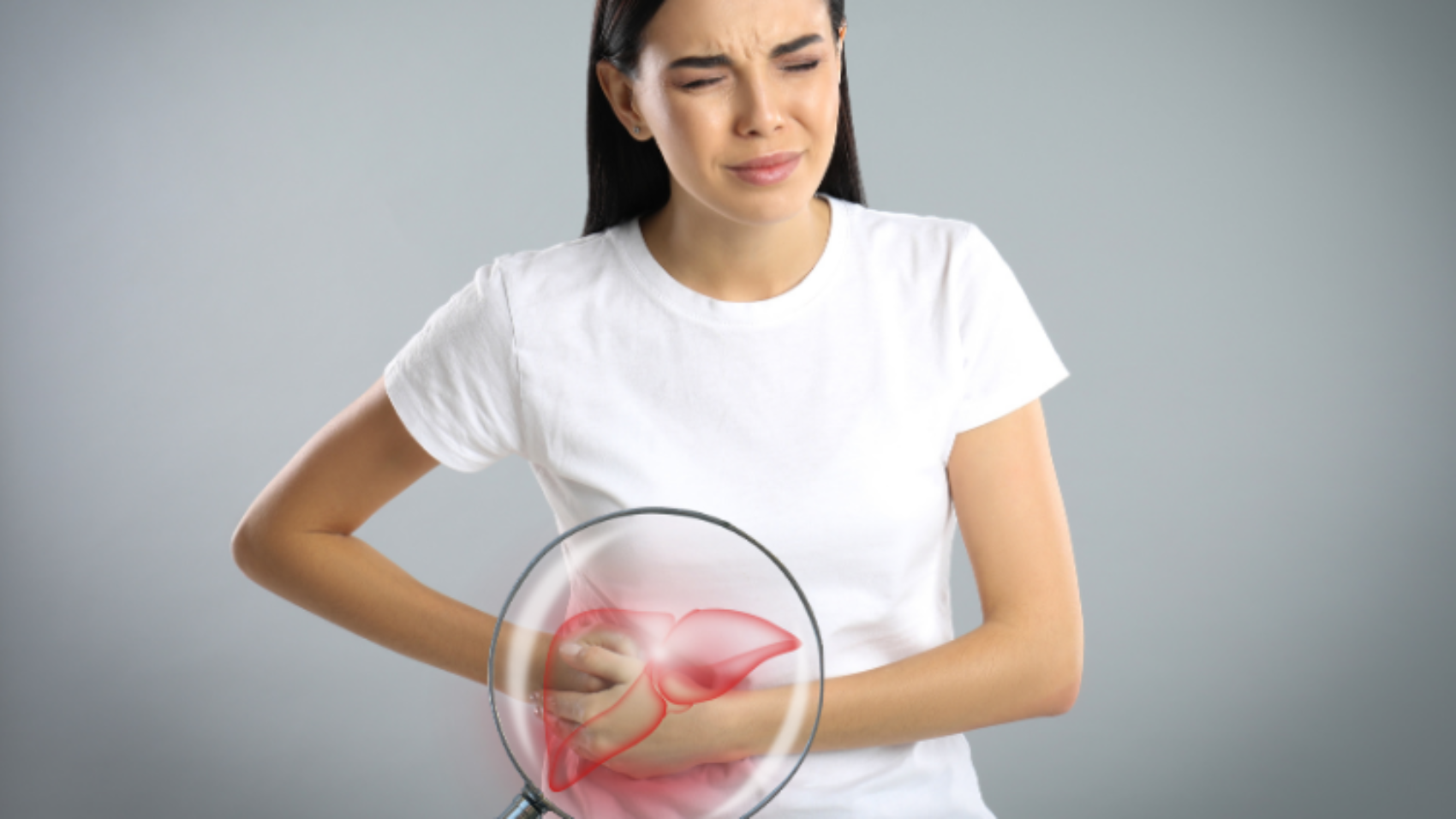
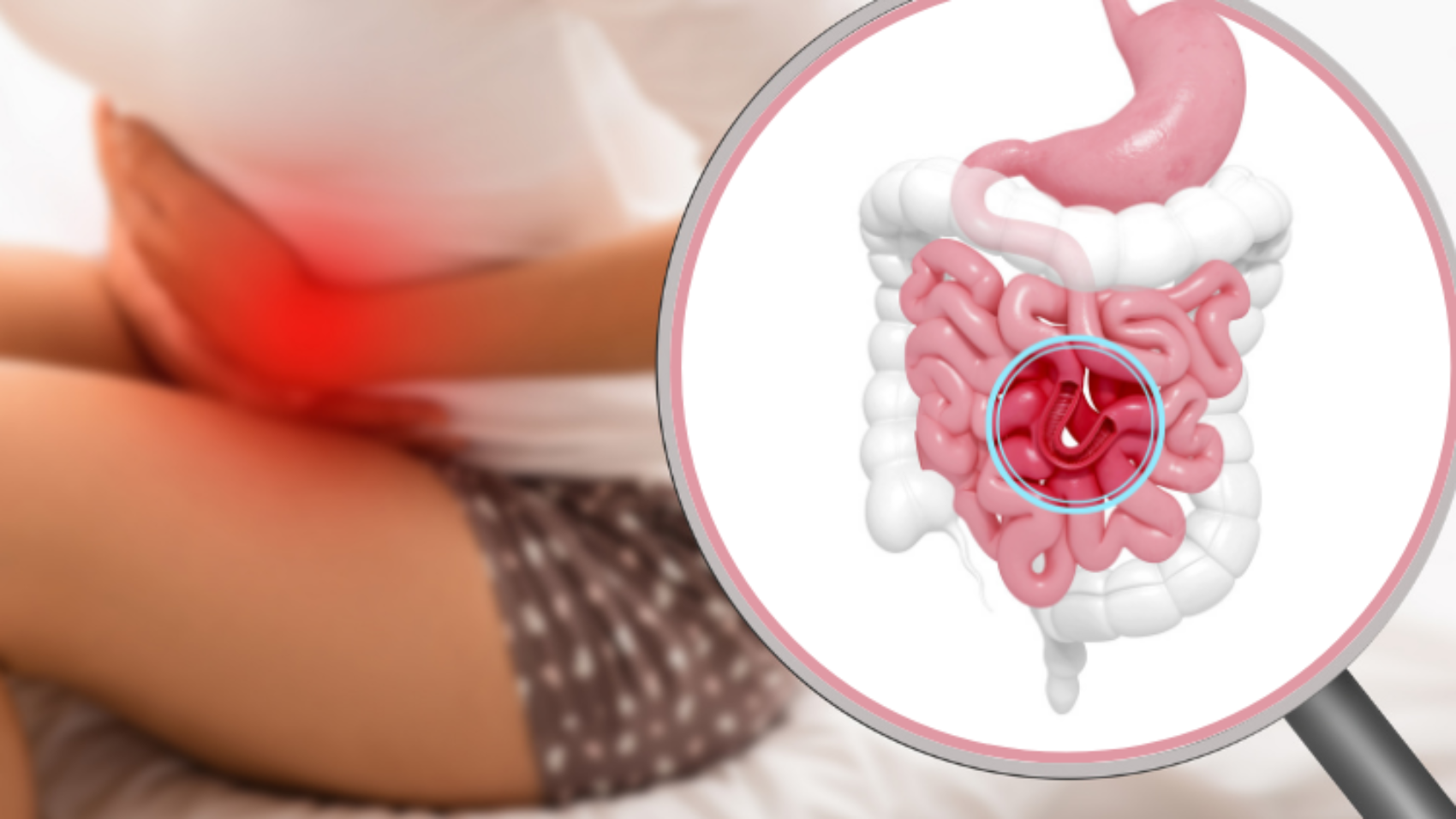
Personalized gut health consultation by Dr. Rasha El Naggar in Newport Beach.

How Naturopathic Medicine Treats Gut Health

Are you struggling with bloating, irregular bowel movements, fatigue, or brain fog? These may be signs that your gut health is compromised. We understand how frustrating it is to deal with persistent digestive issues that affect your energy, immunity, and overall wellbeing. At Etara Wellness in Newport Beach, our naturopathic approach addresses the root causes of gut imbalance, helping you restore digestive wellness, vitality, and long-term health.


Dr. Rasha El Naggar, MD, ND, brings a unique combination of medical expertise and naturopathic training to provide effective gut health solutions. With years of experience in integrative medicine, she has helped numerous patients overcome chronic digestive issues. All our care plans and content are reviewed by Dr. Rasha El Naggar, ensuring medical accuracy and trustworthiness. At Etara Wellness, we combine clinical knowledge with holistic strategies to deliver safe, personalized, and effective gut health care.


The gut is central to your overall health, immunity, and energy. It houses the microbiome—a community of trillions of microorganisms influencing digestion, mood, immune function, and even hormonal balance. When gut health is compromised, it can lead to:

  • Digestive issues: bloating, gas, constipation, diarrhea

  • Fatigue and low energy

  • Brain fog and mood changes

  • Skin problems: acne, eczema

  • Food sensitivities

Common Causes of Gut Imbalance

  1. Dysbiosis: Imbalanced gut bacteria from antibiotics, diet, or stress

  2. Leaky Gut Syndrome: Compromised intestinal barrier leading to inflammation

  3. Chronic Stress: Increases cortisol, affecting digestion and microbiome

  4. Nutritional Deficiencies: Lack of fiber, vitamins, or minerals

  5. Medical Conditions: IBS, autoimmune diseases, thyroid dysfunction

Naturopathic Medicine Approach

Unlike conventional treatments that often target symptoms, naturopathic medicine identifies and addresses the root cause of gut issues. Techniques include:

  • Functional Lab Testing: Comprehensive stool, microbiome, and inflammatory markers

  • Personalized Nutrition Plans: Anti-inflammatory diets, fiber optimization, elimination of triggers

  • Targeted Supplements: Probiotics, digestive enzymes, vitamins, and minerals to restore gut balance

  • Lifestyle & Mind-Body Practices: Stress reduction, hydration, sleep hygiene, and mindful eating

Clinical Examples:

  • A patient with chronic bloating and fatigue improved after probiotic supplementation and personalized nutrition, restoring energy and digestive comfort.

  • Another patient with IBS and inflammation benefited from IV nutrient therapy and stress management, leading to improved bowel regularity and reduced brain fog.

Tip: Always educate and use language like “may help support digestion” rather than promising a cure.


Supporting gut health involves simple, safe, and consistent lifestyle habits:

  • Balanced Diet: Include fiber-rich vegetables, fermented foods, and high-quality proteins

  • Hydration: Drink plenty of water to support digestion and detoxification

  • Stress Management: Yoga, meditation, or breathing exercises lower cortisol and support microbiome health

  • Sleep Hygiene: 7–9 hours nightly supports gut repair and immune function

  • Mindful Eating: Eat slowly, chew thoroughly, and avoid overeating


For a fully personalized gut health plan, schedule a consultation with our Naturopathic Doctor in Newport Beach.


At Etara Wellness, naturopathic medicine for gut health involves:

  • Comprehensive Assessment: Detailed history, functional lab testing, and symptom analysis

  • Personalized Care Plan: Nutrition, supplements, lifestyle modifications, and targeted therapies

  • IV Nutrient Therapy: Restores essential vitamins and minerals for optimal digestive and immune function

  • Continuous Support: Regular follow-ups to track progress and adjust treatment

Our root-cause approach ensures lasting improvements in digestion, energy, and immunity. By integrating holistic care with medical expertise, patients receive safe, effective, and individualized treatment.

Example Phrase:
“Our naturopathic gut therapy helps patients restore digestive balance, reduce inflammation, and improve overall wellness.”


FAQs About Naturopathic Gut Health 

Q1: What conditions can naturopathic gut care treat?
A: IBS, leaky gut, food sensitivities, chronic digestive issues, and inflammation-related conditions.

Q2: Is naturopathic gut care safe?
A: Yes. All treatments are personalized and medically supervised by Dr. Rasha El Naggar, MD, ND.

Q3: How long until I notice results?
A: Many patients see improvement within 4–6 weeks, depending on severity and adherence to the plan.

Q4: Can IV therapy help gut health?
A: Yes. IV nutrient therapy replenishes vitamins and minerals essential for gut repair and immune support.

Q5: Do I need long-term supplements?
A: Supplementation is tailored to your needs and adjusted based on lab results and progress.


Take Charge of Your Gut Health Today

Don’t ignore digestive discomfort. At Etara Wellness in Newport Beach, Dr. Rasha El Naggar, MD, ND, provides personalized naturopathic care to restore gut health, reduce inflammation, and enhance energy.

Book your consultation today to begin a scientifically guided, medically supervised journey toward optimal digestive wellness. Let us help you regain balance, vitality, and confidence in your health.

Dr. Rasha El Naggar treating gut health patients at Etara Wellness Newport Beach

Gut Health Naturopathic Doctor in Newport Beach: Restore Your Digestive Wellness

Your gut is more than just a digestive organ—it’s a central hub that impacts your overall health, immunity, energy, and even mental clarity. Digestive discomfort, bloating, irregular bowel movements, and fatigue are often signs of an imbalanced gut. For many, these issues can significantly affect daily life, productivity, and overall wellbeing.

At Etara Wellness, led by Dr. Rasha El Naggar, MD, ND, we specialize in personalized naturopathic care for gut health. Our mission is to address the root causes of digestive issues rather than just treating symptoms. Through a combination of functional lab testing, dietary guidance, and advanced therapies, we help patients restore balance, improve digestion, and regain vitality.

Whether you’re struggling with IBS, leaky gut, or chronic digestive disturbances, our team provides safe, effective, and holistic solutions tailored to your unique needs.


What is Gut Health and Why It Matters 

Gut health refers to the balance and function of your digestive system, including the stomach, intestines, and gut microbiome—the trillions of microorganisms that influence digestion, immunity, and even mood. A healthy gut promotes:

  • Efficient digestion and nutrient absorption

  • Strong immune system

  • Reduced inflammation

  • Balanced mood and mental clarity

Conversely, an imbalanced gut can lead to bloating, diarrhea, constipation, fatigue, skin issues, and even hormonal imbalance. At Etara Wellness, we focus on identifying underlying causes such as:

  • Dysbiosis (imbalanced gut bacteria)

  • Food sensitivities or allergies

  • Chronic stress

  • Poor nutrition

  • Infections or inflammation

By restoring gut balance, patients experience long-term wellness improvements that extend beyond digestion to overall vitality and quality of life.


Who Can Benefit from Naturopathic Gut Health Care? 

Naturopathic gut health care is ideal for those already seeking treatment and struggling with chronic digestive or immune issues. Common patient profiles include:

  • Individuals with IBS (Irritable Bowel Syndrome)

  • People experiencing leaky gut symptoms such as fatigue, brain fog, or food sensitivities

  • Patients with autoimmune conditions or chronic inflammation

  • Those looking for personalized, root-cause treatment rather than generic medications

By combining functional lab testing, personalized nutrition, and holistic therapy, we can identify hidden imbalances and provide targeted solutions. Unlike generic advice, our approach is scientifically grounded and tailored to your body, ensuring maximum benefit and lasting results.


The Naturopathic Approach to Gut Health 

At Etara Wellness, our naturopathic approach addresses the root cause of gut imbalance, rather than simply managing symptoms. Our protocol includes:

1. Comprehensive Assessment

  • Detailed health history and symptom review

  • Functional lab testing for gut microbiome, inflammation, and nutrient deficiencies

  • Identification of food sensitivities and intolerances

2. Personalized Treatment Plan

Based on assessment results, we create a customized plan incorporating:

  • Dietary guidance: Anti-inflammatory, nutrient-dense foods

  • Supplement protocols: Probiotics, digestive enzymes, vitamins, and minerals

  • Lifestyle recommendations: Stress management, sleep hygiene, and hydration

3. Advanced Therapies

  • IV Nutrient Therapy to restore essential vitamins and minerals rapidly

  • Targeted detoxification protocols to reduce inflammation and restore gut barrier integrity

  • Holistic modalities to support mental and physical wellness

4. Continuous Monitoring & Support

  • Regular follow-ups to track progress

  • Adjustments to protocols as needed

  • Education and empowerment to maintain gut health long-term

Success Story:
One patient suffering from chronic bloating and fatigue saw remarkable improvement within six weeks. Through functional testing and a personalized gut protocol—including IV therapy and targeted supplementation—she regained energy, improved digestion, and restored daily comfort.

Credentials & Recognition:
Dr. Rasha El Naggar, MD, ND, combines medical expertise with naturopathic principles. Recognized for excellence in integrative medicine, she brings years of experience in digestive health and patient-centered care.


Signs of an Imbalanced Gut 

Common indicators that your gut may need support include:

  • Chronic bloating or gas

  • Constipation or diarrhea

  • Fatigue and low energy

  • Brain fog or difficulty concentrating

  • Skin issues like eczema or acne

  • Food sensitivities or intolerances

Recognizing these signs early is critical. At Etara Wellness, we use advanced diagnostic tools to pinpoint exact imbalances and develop a precise, personalized intervention.


Lifestyle & Dietary Strategies to Support Gut Health 

Alongside naturopathic treatment, lifestyle adjustments can significantly enhance results:

  • Balanced diet: Include fiber-rich foods, fermented foods, and anti-inflammatory nutrients

  • Hydration: Adequate water supports digestion and nutrient absorption

  • Stress management: Yoga, meditation, or gentle exercise reduces gut inflammation

  • Sleep hygiene: Consistent quality sleep supports microbiome health

  • Mindful eating: Chewing food thoroughly and eating slowly improves digestion

By following these strategies, patients experience accelerated improvement in energy, digestion, and immune resilience.


FAQs About Gut Health and Naturopathic Care 

Q1: What conditions can a naturopathic gut health doctor treat?
A: IBS, leaky gut, food sensitivities, chronic digestive issues, autoimmune-related gut imbalance.

Q2: Is gut health treatment safe?
A: Yes. All protocols at Etara Wellness are medically supervised and personalized to individual needs.

Q3: How long does it take to notice improvements?
A: Many patients see changes within 4–6 weeks, depending on the severity and adherence to the plan.

Q4: Can IV therapy help with gut health?
A: Yes. Targeted IV nutrient therapy can rapidly replenish essential vitamins and minerals that support digestion and gut barrier integrity.

Q5: Will I need long-term supplements?
A: Supplement plans are individualized and adjusted based on functional testing and ongoing results.


Conclusion & Call to Action 

Restore Your Gut Health Today with Etara Wellness

A balanced gut is essential for energy, immunity, and overall wellness. At Etara Wellness in Newport Beach, we provide personalized, evidence-based naturopathic care to help you regain digestive balance, reduce inflammation, and enhance vitality.

Book your consultation today with Dr. Rasha El Naggar, MD, ND, and start your journey toward optimal gut health. Experience the difference of root-cause medicine combined with holistic, medically supervised care, tailored to your unique needs.

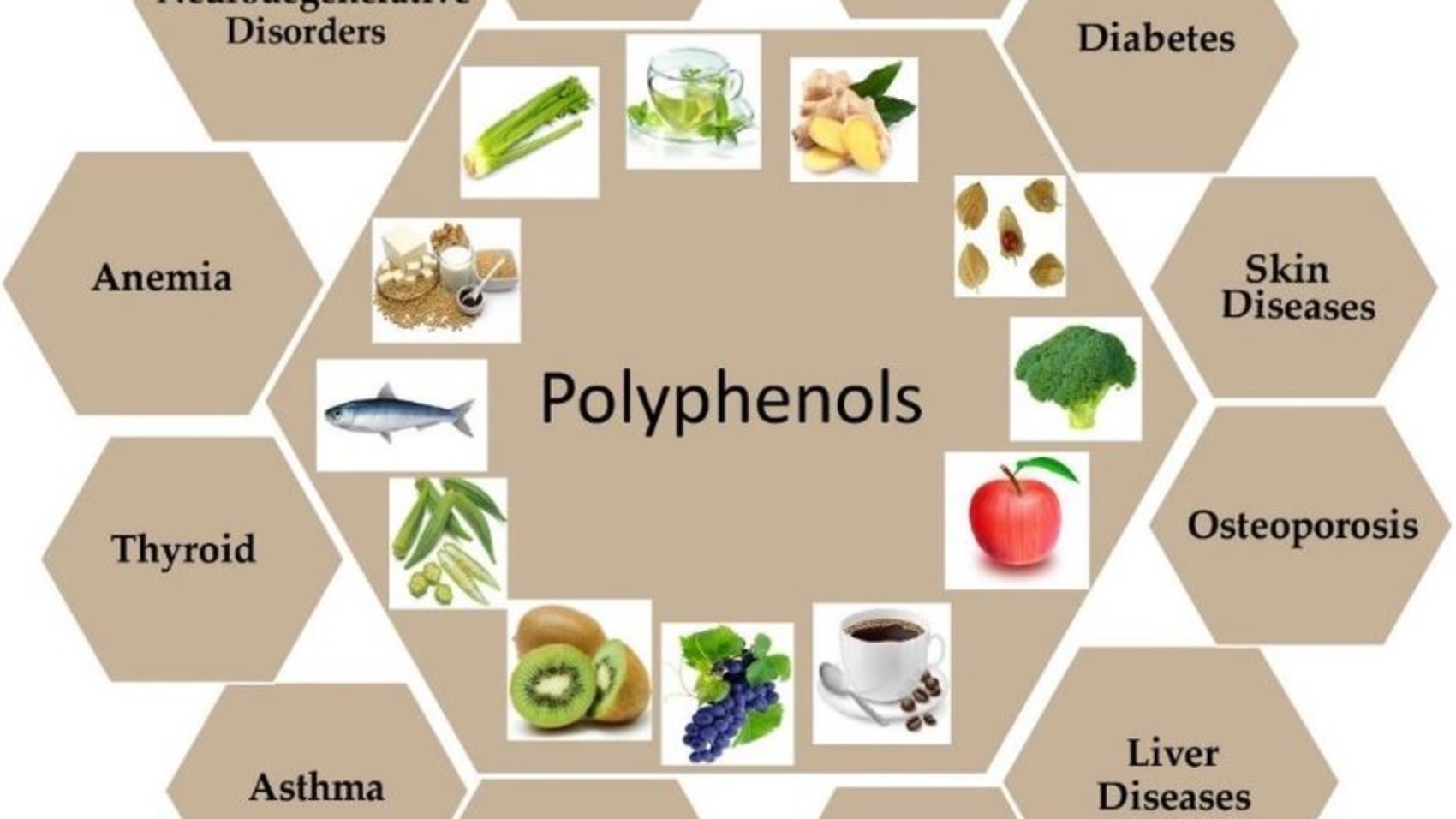
Health-benefits-effect-of-dietary-polyphenols-Polyphenols-are-largely-found-in-fruits

Prebiotic Benefits of Polyphenols for Gut Health Enhancement

In the constantly evolving world of gut health, a fascinating topic gaining momentum is the role of polyphenols as emerging prebiotics. Polyphenols, the hidden treasures found in the vibrant hues of fruits, vegetables, tea, coffee, and even red wine, have recently taken center stage in the world of gut health. As we discover the secrets of these natural compounds, their emerging role as prebiotics adds a new dimension to the understanding of digestive well-being.

Polyphenols are a diverse group of antioxidants, including flavonoids, phenolic acids, and polyphenolic amides. These compounds serve as potent defenders of our health, combating oxidative stress and inflammation within the body. What sets polyphenols apart in the context of gut health is their newfound status as prebiotics, a designation that signifies their ability to fuel the growth of beneficial bacteria in the gut.

The term “prebiotics” refers to non-digestible fibers that act as a nourishing banquet for the microscopic residents of our digestive system. Unlike probiotics, which introduce live bacteria into the gut, prebiotics empower the existing beneficial bacteria, fostering a harmonious and thriving gut microbiome.

Polyphenols, in their role as emerging prebiotics, go beyond their antioxidant properties. They play a vital role in promoting the growth of beneficial bacteria while inhibiting the proliferation of harmful microbes. This dual action creates an environment conducive to a balanced and resilient gut microbiome.

The significance of polyphenols as prebiotics lies in their ability to modulate the composition of the gut microbiota. By influencing the balance between various bacterial species, polyphenols contribute to a healthy and diverse microbial community. This modulation, in turn, enhances the overall functionality of the digestive system. Dr. Rasha El Naggar at Etara Wellness emphasizes the importance of polyphenols in our diet, highlighting their role in promoting a healthy gut microbiome and overall well-being. As we delve into the intricacies of polyphenols as prebiotics, it becomes evident that their impact extends beyond the gut. 

Understanding Polyphenols

Polyphenols are natural compounds found in plants, encompassing a diverse group of antioxidants. There are several types of polyphenols, including flavonoids, phenolic acids, and polyphenolic amides. Rich sources of these compounds are fruits, vegetables, tea, coffee, and red wine.

Types of Polyphenols

1. Flavonoids: Widely distributed in fruits, vegetables, and beverages such as tea and red wine, flavonoids constitute a major subclass of polyphenols. These compounds, including quercetin and catechins, contribute to the vibrant colors of many fruits and vegetables. They include:

  • Flavonols (e.g., quercetin in onions, apples, and kale),
  • Flavones (e.g., luteolin in peppers and celery),
  • Flavanones (e.g., hesperidin in citrus fruits),
  • Flavan-3-ols (e.g., catechins in tea, cocoa, and apples),
  • Anthocyanins (e.g., in berries and red wine),
  • Isoflavones (e.g., genistein in soy and soy products), are known for their estrogen-like effects and potential benefits for heart health.

2. Phenolic Acids:  This group includes hydroxybenzoic and hydroxycinnamic acids, which are present in foods like whole grains, coffee, and some fruits, phenolic acids, such as ferulic acid and caffeic acid, offer protective effects against oxidative stress. They are crucial components of a balanced diet.

3. Polyphenolic Amides: Though less well-known, polyphenolic amides, like capsaicin in chili peppers, exhibit anti-inflammatory and antioxidant properties. Their inclusion in our diet adds an extra layer of health benefits.

4. Stilbenes: These polyphenols are found in small quantities in the diet, with resveratrol from red wine and grapes being the most prominent. Stilbenes are researched for their potential in promoting heart health and longevity.

5. Lignans: Found in seeds (particularly flaxseeds), whole grains, and vegetables, lignans are known for their phytoestrogenic properties and may contribute to reduced risk of certain types of cancer.

6. Tannins: Tannins, including hydrolysable tannins (like ellagitannins in pomegranates and gallotannins in tea) and condensed tannins (proanthocyanidins in berries, chocolate, and wine), are known for their astringent properties and health benefits, such as reducing blood pressure and anti-inflammatory effects.

Sources of Polyphenols – From Garden to Glass

Polyphenols are abundant in various plant-based foods, creating a spectrum of dietary options to harness their benefits:

  • Fruits and Vegetables: Berries, apples, citrus fruits, and colorful vegetables are rich sources of polyphenols.
  • Beverages: Tea, especially green tea, coffee, and red wine provide a delightful dose of polyphenols.
  • Nuts and Seeds: Almonds, walnuts, and flaxseeds contribute to polyphenol intake.
  • Whole Grains: Incorporating whole grains like oats and barley adds phenolic acids to your diet.

Antioxidant Role – Shielding Cells from Oxidative Stress

Polyphenols act as powerful antioxidants, neutralizing free radicals that can cause cellular damage. By scavenging these free radicals, polyphenols contribute to the prevention of oxidative stress, a key factor in various chronic diseases.

Emerging Prebiotic Role – Nourishing the Gut Microbiome

Beyond their antioxidant prowess, polyphenols have garnered attention as emerging prebiotics. Prebiotics are essential non-digestible fibers that feed the beneficial bacteria residing in our gut. Polyphenols foster a hospitable environment for these microbes, promoting a thriving and balanced gut microbiome.

Basics of Prebiotics and Their Gut Health Benefits

In the vast and intricate world of nutritional science, prebiotics emerge as critical yet often overlooked components of a healthy diet. Their role in fostering a beneficial gut microbiome is paramount, offering a cascade of health benefits that extend well beyond the confines of the digestive system.

What Are Prebiotics?

Prebiotics are a specific type of non-digestible fiber that act as fuel for the beneficial bacteria in our gut. Unlike their counterparts, probiotics, which are live beneficial bacteria, prebiotics help stimulate the growth and activity of these microbes without being digested or absorbed themselves. Upon reaching the colon, prebiotics are fermented by the gut microbiota, leading to the production of short-chain fatty acids (SCFAs), including acetate, propionate, and butyrate. These SCFAs are pivotal for gut health, playing roles in nourishing colon cells, maintaining the integrity of the gut barrier, and modulating the immune system. Before delving into the specific benefits of prebiotics for gut health, it’s crucial to understand the fundamentals of these non-digestible fibers and their role in cultivating a flourishing gut ecosystem.

Types of Prebiotics


The diversity of prebiotic fibers reflects the complexity of the gut microbiome they support. Here’s the list of prebiotic types:

  • Inulin: Found in foods like chicory root, garlic, and leeks, inulin is a complex carbohydrate that resists digestion in the small intestine and reaches the colon intact, where it becomes a feast for beneficial bacteria.
  • Fructooligosaccharides (FOS): Present in fruits and vegetables like bananas, onions, and asparagus, FOS is another prebiotic that promotes the growth of beneficial gut bacteria, improving mineral absorption and possibly reducing levels of harmful cholesterol.
  • Galactooligosaccharides (GOS): Derived from lactose, GOS is known for its positive effects on gut health, particularly in enhancing the growth of Bifidobacteria.
  • Resistant Starch: Found in cooked and cooled potatoes, green bananas, and grains, resistant starch escapes digestion in the small intestine and ferments in the colon, producing SCFAs that benefit colon health.
  • Pectin: Commonly found in apples, oranges, and carrots, pectin is fermented by the gut microbiota, leading to the production of SCFAs and promoting gut health.
  • Beta-glucans: Present in oats, barley, and certain mushrooms, beta-glucans help lower cholesterol levels and enhance the immune response.

Gut Health Benefits of Prebiotics

Prebiotics, the dietary fibers that selectively nourish beneficial bacteria in the gut, offer a myriad of health benefits. Here’s a closer look at how they contribute to gut health:

  • Enhanced Digestive Function – Prebiotics promote the growth of beneficial bacteria, which play a crucial role in breaking down food and absorbing nutrients. By increasing the population of these microbes, prebiotics help improve digestion and prevent common digestive issues, such as bloating and constipation.
  • Strengthened Gut Barrier – The fermentation of prebiotics by gut bacteria produces short-chain fatty acids, like butyrate, which are essential for maintaining the integrity of the gut lining. A strong gut barrier prevents harmful substances from leaking into the bloodstream, protecting against inflammation and associated diseases.
  • Balanced Microbiome – Prebiotics support a balanced gut microbiome by fostering an environment where beneficial bacteria can thrive. This balance is critical for suppressing the growth of pathogenic bacteria, and reducing the risk of infections and gut-related disorders.
  • Boosted Immune Function – A healthy gut microbiome, supported by prebiotics, plays a vital role in the body’s immune response. By enhancing the gut flora, prebiotics help regulate the immune system, making it more efficient in fighting off infections and reducing the incidence of autoimmune diseases.
  • Improved Nutrient Absorption – The action of beneficial bacteria, nurtured by prebiotics, is essential for the proper absorption of nutrients, such as calcium and magnesium. This improved absorption supports bone health, energy production, and overall well-being.
  • Reduced Inflammation – By promoting a healthy gut microbiome and strengthening the gut barrier, prebiotics can help lower systemic inflammation, which is linked to a host of chronic conditions, including heart disease and diabetes.
  • Enhanced Mental Well-being – Emerging research suggests a strong link between gut health and mental health, often referred to as the gut-brain axis. Prebiotics, by supporting gut health, may have a positive impact on mental well-being, potentially alleviating symptoms of depression and anxiety.

By incorporating prebiotic-rich foods into your diet, such as garlic, onions, bananas, and whole grains, you can enjoy these comprehensive benefits for gut health and beyond.

Probiotics vs. Prebiotics – Distinguishing Roles

It’s crucial to differentiate between probiotics and prebiotics. While probiotics introduce live bacteria into the gut, prebiotics foster the growth of existing beneficial bacteria. 


Both are integral to gut health, working synergistically for optimal digestive function.

How do Polyphenols Benefit the Gut Microbiome?

Polyphenols, naturally occurring compounds found in plants, are celebrated for their extensive health benefits, particularly for the gut microbiome. Their complex interaction with the gut ecosystem contributes to enhanced gut health through multiple biological pathways.

1. Antimicrobial Effects

One of the primary ways polyphenols benefit the gut microbiome is through their antimicrobial properties. Polyphenols can suppress pathogenic bacteria while promoting the growth of beneficial bacteria, such as Lactobacilli and Bifidobacteria. This selective antibacterial action helps maintain or restore balance within the gut ecosystem, crucial for digestive health and immune function.

  • Selective Inhibition: Polyphenols interfere with the growth of harmful bacteria by disrupting their cell membranes or inhibiting their enzyme activity. This selective inhibition ensures that beneficial bacteria can thrive and dominate the gut environment.
  • Biofilm Disruption: Some pathogenic bacteria form protective biofilms that enhance their resistance to antibiotics. Polyphenols can disrupt these biofilms, making the bacteria more vulnerable to natural immune responses and beneficial microbial competition.

2. Antioxidant Properties

Polyphenols are potent antioxidants, capable of scavenging free radicals and reducing oxidative stress in the gut. This antioxidant action is beneficial for gut health in several ways:

  • Protecting Gut Lining: By neutralizing free radicals, polyphenols help protect the cells lining the gut from oxidative damage. This protection helps maintain the integrity of the gut barrier, preventing leaky gut syndrome and associated inflammatory responses.
  • Modulating Inflammation: Polyphenols can modulate the immune system’s response, reducing chronic inflammation within the gut. This is particularly beneficial for conditions like inflammatory bowel disease (IBD), where inflammation plays a key role.

3. Enhancing SCFA Production

The fermentation of polyphenols by gut bacteria results in the production of short-chain fatty acids (SCFAs), such as butyrate, propionate, and acetate. SCFAs are crucial for gut health, serving several important functions:

  • Energy Source for Colon Cells: SCFAs, particularly butyrate, are a primary energy source for colonocytes (the cells lining the colon), supporting their health and function.
  • Strengthening Gut Barrier: SCFAs help reinforce the gut barrier, reducing permeability and the risk of pathogens entering the bloodstream.
  • Regulating Immune Response: SCFAs modulate the immune system, promoting tolerance and preventing inappropriate inflammatory responses that can lead to autoimmune conditions.

Polyphenol-Rich Foods


Incorporating polyphenol-rich foods into your diet is a powerful way to boost your overall health, particularly benefiting the gut microbiome. Here’s a guide to some of the best sources of polyphenols to consider for your meals:

  • Berries: Strawberries, blueberries, raspberries, and blackberries are loaded with anthocyanins, a type of polyphenol known for its antioxidant properties.
  • Nuts and Seeds: Almonds, hazelnuts, pecans, and flaxseeds are excellent sources of polyphenols. They also offer healthy fats and fiber, enhancing their gut health benefits.
  • Vegetables: Spinach, onions, and artichokes are not only nutrient-dense but also high in polyphenols. The diverse range of vegetables available allows for varied dietary intake.
  • Fruits: Apples, cherries, plums, and grapes, particularly those with dark skins, are rich in various polyphenols, including flavonoids and resveratrol.
  • Legumes: Black beans, red beans, and lentils are great plant-based protein sources and are packed with polyphenols.
  • Whole Grains: Whole grains like oats, barley, and whole wheat contain lignans and other polyphenols, contributing to a healthy gut and reducing inflammation.
  • Spices and Herbs: Cloves, peppermint, and star anise are among the spices and herbs with the highest polyphenol content. They can significantly boost the polyphenol content of any dish.
  • Tea and Coffee: Green tea, black tea, and coffee are well known for their high polyphenol content, particularly flavonoids in tea and chlorogenic acids in coffee.
  • Dark Chocolate and Cocoa: Rich in flavanols, dark chocolate, and cocoa products offer cardiovascular and brain health benefits in addition to their gut health-promoting properties.
  • Olive Oil: Extra virgin olive oil is a staple in the Mediterranean diet, celebrated for its high content of polyphenols like oleuropein and hydroxytyrosol, which offer antioxidant and anti-inflammatory benefits.
  • Red Wine: Moderation is key, but red wine is a notable source of resveratrol and other polyphenols, contributing to heart health and potentially the gut microbiome.

Tips for Incorporating Polyphenols into Your Diet

  • Diversity is Key: Aim for a wide variety of polyphenol-rich foods to ensure a broad spectrum of benefits.
  • Think Colorful: Generally, the more vibrant the color of the food, the higher its polyphenol content, so fill your plate with colorful fruits and vegetables.
  • Opt for Whole Foods: Processed and refined foods lose much of their polyphenol content, so choose whole, unprocessed options whenever possible.
  • Be Mindful of Preparation: Some polyphenols can be lost during cooking. Whenever possible, eat fruits and vegetables raw or lightly cooked to preserve their polyphenol content.

By integrating these polyphenol-rich foods into your daily diet, you can enjoy a delicious and natural way to support your gut health and overall well-being.

Conclusion

In conclusion, the prebiotic benefits of polyphenols represent a captivating frontier in the pursuit of optimal gut health. By understanding the diverse roles of polyphenols, incorporating polyphenol-rich foods into your diet, and staying informed on ongoing research, you can begin a journey towards a resilient and flourishing gut microbiome. 

Prioritize your gut health today for a healthier tomorrow.

It’s also crucial to acknowledge that personalized health plans can make all the difference. Dr. Rasha El Naggar, through her clinic, Etara Wellness, has been a guiding force in helping individuals create effective health strategies. Understanding the significance of polyphenols in your well-being is just the beginning, and Dr. Rasha is here to assist you in formulating plans customized to your unique needs. 

For personalized insights and to begin your journey towards better health, don’t hesitate to reach out to Dr. Rasha El Naggar at Etara Wellness

Your path to a healthier and more vibrant life is just a consultation away.

CLAIM YOUR 15 MINUTES FREE PHONE CALL 

—————————————————————————————————————————————–

Disclaimer: This content is for educational purposes only and not intended as medical advice. Consult a healthcare professional for any medical concerns.

—————————————————————————————————————————————–

Dr. Rasha El Naggar, MD, Ms.Biotech, ND – Founder of Etara Wellness

Dr. Rasha El Naggar is a distinguished Naturopathic Doctor, who melds rigorous scientific training with a holistic approach to wellness. Her academic journey commenced at Ain Shams University, Egypt, where she was awarded her MD, followed by an MS in Biotechnology from Johns Hopkins University. Dr. El Naggar further honed her expertise in naturopathic medicine at Bastyr University, San Diego, embodying a profound commitment to integrative health practices.

Based in Orange County, California, Dr. El Naggar is renowned for her personalized care in hormonal regulation, weight management, gut health, mental well-being, and regenerative medicine. Her health challenges catalyzed her passion for naturopathy, fostering a deep empathy and a holistic methodology in patient care.

As the visionary behind Etara Wellness, Dr. El Naggar integrates ancient healing traditions with contemporary scientific evidence. Her mission is to empower individuals to achieve balance, vitality, and optimal health. Dr. El Naggar’s professional narrative is characterized by resilience, innovation, and a relentless pursuit of wellness, making her a vanguard in naturopathic medicine.

36

Natural Strategies to Combat PPI Dependency and Restore Gastrointestinal Health

In an era where quick fixes and prescription solutions have become the norm, a silent issue lurks in the shadows of our healthcare system—Proton Pump Inhibitors (PPIs) overuse. These medications, hailed for their efficacy in quelling the fires of acid reflux and heartburn, have found a place in the medicine cabinets of many. Yet, the long-term implications of their use are often overlooked, leading to a scenario where the cure could be as daunting as the ailment itself.

At Etara Wellness, under the vigilant eye of Dr. Rasha El Naggar, we prioritize the holistic well-being of our patients, recognizing that true health extends beyond the mere absence of symptoms. With a keen focus on gastrointestinal health, we are committed to enlightening our community about the potential risks associated with prolonged PPI use, notably nutrient depletion, and guiding them towards safer, more sustainable alternatives.

This blog aims to demystify PPIs, shedding light on their widespread use and the potential health implications that come with long-term dependency. Our goal is not to alarm, but to inform and empower individuals to make educated decisions about their health and prioritize their overall well-being.

PPI Overuse in Clinical Practice

Proton Pump Inhibitors (PPIs) are widely recognized for their efficacy in managing acid reflux and GERD, leading to their status as some of the most frequently used medications globally. Despite their benefits for short-term management, an increasing trend toward prolonged use has raised concerns. The accessibility of PPIs, both via prescription and over-the-counter avenues, has contributed to their extended consumption without adequate medical supervision, often surpassing the recommended treatment durations.

This overuse highlights a critical issue, with individuals relying on PPIs far longer than necessary, risking long-term health implications, including nutrient deficiencies and obscured underlying health issues. The challenge now is to utilize PPIs for their short-term benefits responsibly while being mindful of the potential for dependency and the associated health risks.

PPIs and Nutrient Depletion

The chronic use of Proton Pump Inhibitors (PPIs) for managing acid reflux and GERD brings with it a less obvious but significant concern: nutrient depletion. The reduction of stomach acid, which is central to the action of PPIs, also impairs the body’s ability to absorb several essential nutrients. This can lead to deficiencies with far-reaching health implications.

Key Nutrient Depletions Linked to PPI Use:

  • Vitamin B12 Deficiency: Vitamin B12 requires stomach acid for its absorption. PPIs, by lowering acid levels, can lead to a decrease in B12 absorption. Over time, this can result in neurological changes, including numbness, tingling, cognitive disturbances, and even mood changes. The elderly, who may already be at risk for B12 deficiency, are particularly susceptible.
  • Magnesium Deficiency: Magnesium is critical for bone health, nerve and muscle function, and maintaining a healthy immune system. PPI-induced reductions in magnesium absorption can lead to symptoms such as muscle cramps, seizures, and cardiac arrhythmias. In severe cases, profound magnesium deficiency can be life-threatening.
  • Calcium Absorption: Calcium’s absorption is highly dependent on gastric acid. A decrease in acid levels due to PPI use can lead to diminished calcium uptake, increasing the risk of osteoporosis and related fractures, especially in the hip, wrist, and spine. This is a particular concern for postmenopausal women who are already at an elevated risk for osteoporosis.
  • Iron Absorption: Iron is another nutrient that requires an acidic environment for optimal absorption. PPIs can lead to an iron-deficient state, manifesting as anemia and associated symptoms such as fatigue, pallor, and decreased immunity. This can have significant implications for women of childbearing age and individuals with conditions that cause chronic blood loss.
  • Zinc Deficiency: Zinc is crucial for immune function, DNA synthesis, wound healing, and cell division. Stomach acid aids in the absorption of zinc from the diet. Long-term PPI use can reduce the availability of stomach acid, potentially leading to decreased zinc absorption and related health issues, including impaired immune response and slow wound healing.
  • Vitamin C Deficiency: While not as commonly discussed as Vitamin B12 or magnesium, Vitamin C absorption can be affected by the use of PPIs. Vitamin C, an essential antioxidant for skin health, immune function, and collagen synthesis, requires an acidic environment for optimal absorption. Reduced gastric acidity may lead to lower levels of Vitamin C, potentially impacting overall health and wound repair.

In summary, while PPIs are an important tool for managing certain gastrointestinal conditions, their long-term use should be carefully managed to prevent nutrient depletion.

Holistic Management of Acid Reflux and GERD – Beyond PPIs

Transitioning from Proton Pump Inhibitors (PPIs) to a more natural approach for managing acid reflux and GERD is critical for long-term health. This comprehensive strategy emphasizes dietary modifications, lifestyle adjustments, and natural supplements to support digestive health and alleviate symptoms without the adverse effects associated with prolonged PPI use.

1. Dietary Adjustments: Focus on a balanced diet rich in alkaline foods, fiber, vegetables, lean proteins, and complex carbohydrates. Identify and eliminate trigger foods, such as spicy dishes, caffeine, acidic fruits, chocolate, and high-fat foods, to reduce acid reflux incidents.

2. Supplemental Support: Incorporate natural supplements to aid in the transition and support digestive health:

  • L-glutamine, for mucosal repair and cellular health.
  • Deglycyrrhizinated licorice, marshmallow root, slippery elm, and aloe vera to soothe the digestive tract.
  • Herbal prokinetics like ginger and artichoke to improve gastric emptying.
  • Omega-3 fatty acids and magnesium for their anti-inflammatory properties and muscle relaxation.
  • Probiotics to balance gut flora, along with vitamin D and calcium to support bone health.
  • Magnesium to help with muscle relaxation and alleviate discomfort.
  • Multivitamins to replenish vitamins and minerals depleted by PPI use.
  • Betaine HCL and pepsin to restore stomach acidity and support protein digestion on non-PPI days.

3. Lifestyle Modifications: Small, consistent changes can significantly impact managing GERD symptoms:

  • Prioritize hydration and increase fiber intake for healthy digestion.
  • Adopt mindful eating practices, such as eating slowly and chewing food thoroughly.
  • Implement stress management techniques like meditation, yoga, and regular physical activity.
  • Consider acupuncture for managing GERD symptoms and potentially improving LES function.
  • Shedding excess weight, especially around the abdomen, can reduce pressure on the stomach and LES, easing reflux.
  • Optimize sleep quality through head elevation and maintaining a consistent sleep schedule to minimize nighttime reflux.

4. Monitoring and Professional Guidance: Regularly monitor nutrient levels and consult with healthcare professionals before making significant changes, especially when tapering off PPIs. Tailor the approach to your specific needs and health conditions to ensure safety and efficacy.

By following these steps, you’re not just alleviating symptoms temporarily but working towards a healthier digestive system and overall well-being. Transitioning from PPI use to natural health practices underscores the importance of treating the body as an interconnected system, where true healing comes from balance and holistic care.

The Role of Diagnostic Testing

A critical step in the effective management of acid reflux and GERD involves accurate diagnosis through comprehensive diagnostic testing. These tests not only help confirm the diagnosis but also enable healthcare providers to understand the severity of the condition and tailor treatment plans accordingly. Let’s delve into the key diagnostic tools and their roles in crafting personalized management strategies.

Understanding Diagnostic Options

  • Upper Endoscopy (Esophagogastroduodenoscopy or EGD): This procedure allows doctors to visualize the esophagus, stomach, and duodenum using a flexible tube with a light and camera attached to it. It’s particularly useful in assessing the extent of esophageal damage due to acid reflux and ruling out other conditions.
  • Esophageal pH Monitoring: Considered the gold standard for diagnosing GERD, this test measures the acidity in the esophagus over a 24-hour period. It can help determine the correlation between symptoms and acid reflux episodes, providing valuable insights into the effectiveness of treatment plans.
  • Esophageal Manometry: This test measures the rhythmic muscle contractions of the esophagus when you swallow and the coordination and force exerted by the esophageal muscles. It’s crucial for evaluating the function of the lower esophageal sphincter (LES) and the esophageal body.
  • Barium Swallow Radiograph: Patients swallow a barium solution, which coats the esophagus, allowing for X-ray imaging. This test can highlight abnormalities in the esophagus’s shape and function.

Understanding the Risks of Long-Term PPI Use

The widespread use of Proton Pump Inhibitors (PPIs) has provided significant relief for many suffering from acid reflux and GERD. However, to fully grasp the implications of long-term PPI use, it’s essential to understand the physiological role of stomach acid and how altering it can lead to unintended health consequences. 

The Role of Stomach Acid

Stomach acid, primarily hydrochloric acid (HCl), plays a pivotal role in digestion and the body’s defense mechanism against ingested pathogens. It assists in breaking down food, absorbing nutrients, and protecting against harmful bacteria. The reduction of stomach acid through PPIs, while relieving reflux symptoms, also impairs these critical functions, leading to the nutrient deficiencies and increased susceptibility to infections discussed earlier.

The Mechanism of PPIs


PPIs work by blocking the enzyme system responsible for secreting gastric acid, specifically the hydrogen-potassium ATPase enzyme at the surface of the stomach lining. This action significantly reduces the production of stomach acid. While effective for short-term management of acid-related disorders, the long-term ramifications need careful consideration.

Long-term Consequences of Altered Stomach pH

  • Increased Risk of Infections: With the reduction in gastric acidity, the natural barrier to infection is compromised, leading to an increased risk of gastrointestinal infections such as Clostridium difficile, as well as respiratory infections.
  • Impaired Nutrient Absorption: As previously detailed, the absorption of several key nutrients is highly dependent on the presence of adequate stomach acid. Long-term PPI use can lead to deficiencies in vitamin B12, magnesium, calcium, iron, and zinc, each with its own set of health implications.
  • Potential for Rebound Acid Hypersecretion (RAHS): Discontinuing PPIs can lead to an increase in gastric acid secretion above pre-treatment levels, exacerbating symptoms and creating a cycle of dependency.
  • Association with Other Health Risks: Emerging research suggests a link between long-term PPI use and increased risks of chronic kidney disease, dementia, and cardiovascular disease. While these associations require further study, they highlight the need for cautious use of PPIs.
  • Osteoporosis: The diminished absorption of calcium, a direct consequence of reduced gastric acid levels caused by prolonged PPI use, significantly contributes to the risk of developing osteoporosis. This condition weakens bones, making them fragile and more likely to break, which is a serious concern for the elderly and postmenopausal women, who are already at increased risk for this bone disease.
  • Development of SIBO: Long-term use of PPIs can also lead to the development of Small Intestinal Bacterial Overgrowth (SIBO), a condition where excessive bacteria grow in the small intestine. This growth can disrupt the normal absorption of nutrients and lead to symptoms such as bloating, diarrhea, abdominal pain, and malnutrition. SIBO not only complicates the management of gastrointestinal health but can also exacerbate symptoms in individuals with Irritable Bowel Syndrome (IBS) or other digestive disorders.

Recognizing PPIs as short-term aids rather than long-term solutions is crucial. We must tread cautiously, exploring alternative treatments and lifestyle adjustments to address the root causes of acid reflux and GERD while minimizing the risks associated with prolonged PPI use.

Conclusion 

Concluding our discussion on Proton Pump Inhibitors (PPIs), it’s evident that while they offer quick relief, the key to long-term gastrointestinal health lies in understanding and addressing the underlying causes of discomfort. Dr. Rasha El Naggar from Etara Wellness advocates for a holistic approach that encompasses nutritional support and lifestyle changes, guiding individuals towards sustainable well-being without the crutch of long-term medication.

Adopting these manageable strategies can significantly enhance both your physical and mental health, underscoring the importance of a balanced diet and comprehensive wellness practices. Start your journey towards a healthier life with these insights, embracing the path to optimal gut health and overall wellness.

CLAIM YOUR 15 MINUTES FREE PHONE CALL 

—————————————————————————————————————————————–

Disclaimer: This content is for educational purposes only and not intended as medical advice. Consult a healthcare professional for any medical concerns.

—————————————————————————————————————————————–

Dr. Rasha El Naggar, MD, Ms.Biotech, ND – Founder of Etara Wellness

Dr. Rasha El Naggar is a distinguished Naturopathic Doctor, who melds rigorous scientific training with a holistic approach to wellness. Her academic journey commenced at Ain Shams University, Egypt, where she was awarded her MD, followed by an MS in Biotechnology from Johns Hopkins University. Dr. El Naggar further honed her expertise in naturopathic medicine at Bastyr University, San Diego, embodying a profound commitment to integrative health practices.

Based in Orange County, California, Dr. El Naggar is renowned for her personalized care in hormonal regulation, weight management, gut health, mental well-being, and regenerative medicine. Her health challenges catalyzed her passion for naturopathy, fostering a deep empathy and a holistic methodology in patient care.

As the visionary behind Etara Wellness, Dr. El Naggar integrates ancient healing traditions with contemporary scientific evidence. Her mission is to empower individuals to achieve balance, vitality, and optimal health. Dr. El Naggar’s professional narrative is characterized by resilience, innovation, and a relentless pursuit of wellness, making her a vanguard in naturopathic medicine.

21

Understanding the Link Between Gut Health, Mental Well-being, and Diet

In the quest for mental wellness, the microbiome stands as a key player, intricately connected to our mental state. Dr. Rasha El Naggar of Etara Wellness brings to light the profound impact of these microscopic organisms on mental health. This comprehensive guide sheds light on the significance of microbiomes, how they influence mental health, and dietary recommendations to improve your mental well-being.

What is the Human Microbiome?

The human microbiome, composed of trillions of bacteria, viruses, fungi, and other microorganisms, plays an essential role in our overall health, including mental well-being. These microorganisms are not just passive inhabitants, they actively participate in vital processes like digestion, immune regulation, and even the synthesis of crucial vitamins.

Why are Microbiomes Important?

  • Digestion and Nutrient Absorption – Microbiomes are essential for breaking down complex nutrients, aiding in digestion, and enabling the absorption of vital nutrients, including vitamins and minerals.
  • Balance Gut-Brain Axis – Microbiomes contribute to the intricate gut-brain axis, influencing emotions and behaviors, and potentially playing a role in mood disorders.
  • Immune Support – They act as guardians of the immune system, defending against harmful pathogens and contributing to overall immune health.
  • Vitamin Production – Microbiomes synthesize essential vitamins, such as Vitamin K, that play crucial roles in bodily functions.

The Gut-Brain Connection

The intricate relationship between the gut and the brain plays a pivotal role in our mental health, illustrating how deeply our mental state is intertwined with the health of our gut microbiome. Stress can significantly disrupt this balance, altering the gut microbiome and, consequently, affecting how our bodies and minds respond to stressors. On the flip side, a well-balanced microbiome can bolster our resilience against stress, a critical factor in mitigating conditions like anxiety and depression.

Central to understanding this connection is the gut-brain axis, a complex communication network that connects the gastrointestinal tract with the brain. This bi-directional communication system significantly influences our emotions and behaviors and has implications for mental health disorders such as anxiety and depression.

Adding to this complexity is the role of the gut microbiome in producing neurotransmitters, such as serotonin, which directly impact our mood and emotional well-being. This production underscores the microbiome’s influence beyond digestion, highlighting its capacity to affect mental health directly. Thus, maintaining a healthy gut microbiome becomes not just a matter of physical health but a crucial component of mental wellness, emphasizing the need for dietary choices, stress management techniques, and lifestyle habits that support both gut and brain health.

Understanding Gut Microbiome Imbalance and Its Impact

Changes in diet, stress, antibiotics, and more can disrupt the gut microbiome’s delicate balance, leading to dysbiosis. In a healthy gut, a specialized barrier allows nutrients to pass while keeping out harmful particles. However, dysbiosis can make this barrier more permeable, often called ‘leaky gut syndrome.’ This allows unwanted bacteria and molecules into the bloodstream.

Dysbiosis has broad consequences –

  • Inflammatory Bowel Disease
  • Diabetes
  • Asthma
  • Anxiety and Depression

These conditions highlight the intricate link between gut health, immune responses, and mental well-being, emphasizing the need to maintain a balanced gut microbiome for overall health and potential therapeutic strategies.

Probiotics and Mental Health

A topic that Dr. Rasha El Naggar often highlights is the beneficial role of probiotics in mental health. Probiotics are live microorganisms, primarily bacteria, which, when administered in adequate amounts, confer a health benefit on the host. These beneficial bacteria can be found in fermented foods like yogurt, kefir, sauerkraut, and kombucha, or taken as dietary supplements. Studies suggest that probiotics can positively impact mental health by reducing symptoms of depression and anxiety, improving stress response, and enhancing mood. This is partly attributed to their ability to modulate the gut-brain axis, improve gut health, and reduce inflammation, which is often linked to several mental health disorders.

Diet’s Influence on the Microbiome and Mental Health – A Naturopathic Approach to Treatment

The impact of diet on the microbiome and, consequently, on mental health is profound. Dr. Rasha El Naggar emphasizes the significance of a nutritious diet for maintaining a balanced gut microbiome. A diet rich in diverse, whole foods not only nurtures the gut flora but also aids in the production of neurotransmitters that regulate mental health. The connection between what we eat and how we feel, both physically and emotionally, is intricately tied to the health of our gut microbiome.

Here, with insights from Dr. Rasha El Naggar, explore a comprehensive list of dietary recommendations to boost your gut health and nurture a positive impact on your mental health.

  • Nutrient-Rich Diet –  Include a wide range of foods, especially plant-based options. Different foods support specific beneficial gut bacteria, which can contribute to a more positive mood.
  • High-Fiber Foods – Consume plenty of vegetables, fruits, beans, legumes, and whole grains. These foods are rich in fiber, which acts as a prebiotic, nourishing the good bacteria in your gut.
  • Fermented Foods– Add fermented foods like yogurt, kefir, sauerkraut, kimchi, kombucha, tempeh, miso, natto, and sourdough. These probiotic-rich foods promote gut health, potentially reducing symptoms of anxiety and depression.
  • Polyphenol-Rich Foods – Eat foods high in polyphenols, such as dark chocolate, tea (black and green), coffee, berries (like blueberries and blackberries), olives, and nuts (like almonds and walnuts).  Polyphenols encourage the growth of beneficial gut bacteria and act as antioxidants, safeguarding against stress linked to mental health issues.
  • Lean Proteins for Gut and Mind – Choose lean protein sources like fish, poultry, and plant-based options like lentils and chickpeas. These choices are gentler on your gut and provide essential amino acids for mood regulation.
  • Healthy Fats – Incorporate healthy fats like avocados, olive oil, and fatty fish (like salmon). These fats support gut health and are associated with improved mental well-being.
  • Herbs and Spices – Enhance your dishes with herbs and spices like basil, rosemary, turmeric, ginger, and cinnamon. Many of these contain compounds with anti-inflammatory properties, potentially reducing symptoms of anxiety and depression.
  • Stay Hydrated for Mental Clarity – Keep well-hydrated by drinking plenty of water throughout the day. Proper hydration fosters a healthy gut environment and is vital for optimal cognitive function.
  • Limit Processed Foods – Reduce your consumption of highly processed foods, sugars, and artificial sweeteners. These dietary choices can disrupt your gut microbiome balance, potentially affecting your mood.
  • Moderate Alcohol Consumption – If you consume alcohol, do so moderately. Excessive alcohol intake can negatively affect gut health and emotional well-being.
  • Probiotic Supplements – Consider taking probiotic supplements, especially if you’ve recently taken antibiotics or if your diet lacks fermented foods.

By following these dietary recommendations, you’ll not only nurture a healthier gut microbiome but also support emotional resilience and well-being. 

Remember, a happy gut often leads to a happier mind!

Balanced Lifestyle Tips for Gut Health and Mental Well-being

In addition to diet, Dr. Rasha El Naggar from Etara Wellness points out the importance of other lifestyle factors like stress management, quality sleep, and regular exercise in impacting our gut flora. 

  • Sleep Smart: Prioritize quality sleep by establishing a consistent bedtime routine and minimizing screen time before bed to enhance both mental and gut health.
  • Allocate Time for Hobbies: Engage regularly in activities or hobbies that you enjoy and find relaxing. This can serve as an effective stress relief, breaking up the routine and providing a sense of fulfillment and joy outside of work and daily responsibilities.
  • Meal Prep Weekly: Dedicate a couple of hours each weekend to prepare and store meals. Having ready-to-eat healthy meals can save time and ensure you maintain a balanced diet.
  • Incorporate Short Workouts: Fit in short, high-intensity workouts or 10-minute yoga sessions into your day to stay active without needing a big time commitment.
  • Choose Healthy Snacks: Stock up on easy-to-carry, nutritious snacks like nuts, fruits, or yogurt to avoid unhealthy choices when you’re hungry and busy.
  • Practice Mini-Mindfulness Sessions: Use 5-minute breaks for deep breathing or mindfulness exercises to reduce stress and improve mental clarity.
  • Hydrate Regularly: Keep a water bottle handy and sip throughout the day to stay hydrated, supporting overall health and aiding digestion.
  • Opt for Probiotic and Prebiotic Foods: Include foods like kefir, yogurt, bananas, and garlic in your diet to support gut health and enhance your mood.
  • Plan Active Meetings: If possible, conduct meetings while walking, either in person or over the phone, to stay active during work hours.
  • Use Technology Wisely: Leverage apps for meal planning, meditation, and exercise to efficiently integrate healthful habits into your daily life.

These tips are designed to be practical and manageable, allowing you to gradually improve your lifestyle without feeling overwhelmed.

Dr. Rasha’s insights into the microbiome’s role in mental well-being offer valuable guidance for enhancing both physical and mental health. Understanding and managing these aspects of our daily lives can contribute immensely to overall well-being. She emphasizes the importance of taking proactive steps to support the gut-brain axis through a balanced diet and holistic wellness practices. Begin your journey to improved mental well-being with Dr. Rasha’s expert advice, and adopt the strategies that promote a balanced lifestyle for optimal gut health and mental wellness.

CLAIM YOUR 15 MINUTES FREE PHONE CALL


Disclaimer: This content is for educational purposes only and not intended as medical advice. Consult a healthcare professional for any medical concerns.


1 (4)

Reversing Fatty Liver – A Comprehensive Guide by Dr. Rasha El Naggar

A Message from Dr. Rasha El Naggar –

“At Etara Wellness, our focus is on effective health management. Fatty liver disease, a common issue among our clients, can often be managed and even reversed with the right combination of medical treatment and lifestyle modifications. This guide is created to provide straightforward insights and practical guidance for those facing this condition, emphasizing achievable strategies for better health outcomes.”

What is Fatty Liver Disease?

Fatty liver disease is when excess fat accumulates in the liver, a condition also known as hepatic steatosis. It’s a common health issue, affecting many people around the world. A small amount of fat in the liver is normal, but when it’s too much, it can lead to serious health problems. It’s important to recognize and manage this condition to maintain good liver health.

Types of Fatty Liver Disease

Fatty liver disease comes in different forms, each with its causes and health implications. It’s important to understand these types to effectively manage and treat the condition.

Alcoholic Fatty Liver Disease (AFLD)

AFLD occurs due to excessive consumption of alcohol. When you drink alcohol, your liver works to break it down for removal from the body. However, this process creates harmful substances that can damage liver cells, cause inflammation, and reduce the liver’s ability to fight off infections. The more alcohol consumed, the greater the damage to the liver. AFLD is the initial stage of alcohol-related liver damage, potentially progressing to more severe conditions like alcoholic hepatitis and cirrhosis.

Non-Alcoholic Fatty Liver Disease (NAFLD)

NAFLD is unrelated to alcohol consumption and is more commonly linked with lifestyle factors like obesity, type 2 diabetes, and high cholesterol levels. This condition can further develop into a more severe form known as non-alcoholic steatohepatitis (NASH), characterized by liver inflammation and damage.

Subtypes of NAFLD:

  • Simple Fatty Liver: Here, fat accumulates in the liver without causing inflammation or significant damage to liver cells. This form typically doesn’t lead to severe liver damage.
  • Non-Alcoholic Steatohepatitis (NASH): In NASH, there’s both fat accumulation and liver inflammation, leading to damage of liver cells. This can result in fibrosis or scarring of the liver and may advance to cirrhosis or even liver cancer.

Causes of Fatty Liver Disease

Fatty liver disease, both in its alcoholic and non-alcoholic forms, is influenced by a range of factors. Understanding these causes is crucial for prevention and treatment.

Lifestyle and Dietary Influences

  • Unhealthy Diet: Excessive consumption of foods high in saturated fats, sugars, and processed ingredients contributes significantly to the build-up of fat in the liver. This kind of diet can disrupt normal liver function and lead to fat accumulation.
  • Obesity and Overweight: Carrying extra weight, particularly around the abdomen, is a significant risk factor for non-alcoholic fatty liver disease (NAFLD). The excess fat not only stresses the liver but also alters metabolism, increasing the likelihood of fat deposition in liver cells.
  • Physical Inactivity: A sedentary lifestyle leads to poor metabolic health and can exacerbate the accumulation of liver fat. Regular physical activity is essential in maintaining healthy liver function and preventing fat build-up.

Medical and Health-Related Factors

  • Type 2 Diabetes and Prediabetes: These conditions are closely associated with an increased risk of NAFLD. High blood sugar levels and insulin resistance play a significant role in the development of liver fat.
  • High Blood Pressure: Often coexisting with fatty liver disease, high blood pressure can compound the stress on the liver and exacerbate the condition.
  • Dyslipidemia: Elevated cholesterol and triglycerides in the blood are common in individuals with fatty liver disease. These lipids can accumulate in the liver, contributing to its dysfunction.
  • Metabolic Syndrome: This group of conditions, which include obesity, hypertension, insulin resistance, and abnormal cholesterol levels, significantly increases the risk of developing NAFLD.

Genetic and Biological Factors

  • Insulin Resistance: A key factor in NAFLD, insulin resistance results in increased fat synthesis and decreased fat breakdown, leading to fat accumulation in the liver.
  • Genetic Predisposition: Genetics can influence an individual’s susceptibility to fatty liver disease. Specific genetic variants may increase the likelihood of developing NAFLD and influence the disease’s progression.

Alcohol-Related Causes

  • Alcoholic Fatty Liver Disease (AFLD): Caused by excessive alcohol consumption. Alcohol metabolism in the liver generates toxic by-products that can damage liver cells and lead to inflammation and scarring.

Lifestyle Changes to Reverse Fatty Liver Disease


“In understanding fatty liver disease,” Dr. Rasha notes, “one must appreciate the intricate balance between lifestyle, diet, and genetics. Our approach at Etara Wellness is to empower our clients with this knowledge for effective management and reversal of the condition.”

“At Etara Wellness, we advocate for a holistic lifestyle change, not just short-term fixes,” Dr. Rasha asserts. Here are some key lifestyle modifications she recommends:

Comprehensive Dietary Approach:

  • Emphasize a diet rich in fiber and proteins while being low in unhealthy fats and carbohydrates.
  • Include a variety of fruits and vegetables in every meal. For example, a cup of leafy greens or sautéed spinach should accompany meals to provide essential nutrients and fiber.
  • Incorporate whole grains into the diet to enhance fiber intake, which is crucial for liver health.
  • Choose lean protein sources like eggs, legumes, and cold-water fish, which provide essential amino acids without excessive fats.
  • Limit the intake of red meat and processed sugars, which are known to exacerbate liver fat accumulation.
  • Implement the Mediterranean diet principles, focusing on fruits, vegetables, whole grains, legumes, and nuts, and replacing saturated fats like butter with healthier fats like olive oil.

Specific Beneficial Foods:

  • Garlic: Can positively affect metabolic profiles in NAFLD.
  • Omega-3 Fatty Acids: Found in salmon, sardines, walnuts, and flaxseed, may improve liver fat levels.
  • Coffee: Regular consumption linked to decreased liver fibrosis risk.
  • Broccoli: This may aid in faster fat breakdown in the liver.
  • Green Tea: Contains antioxidants that may improve symptoms.
  • Walnuts: High in omega-3 fatty acids, beneficial for liver health.

Portion Control, Weight Management and Mindful Eating:

  • Understand and respond to the body’s hunger and fullness signals, avoiding overeating.
  • Practice portion control by using smaller plates and checking serving sizes.
  • Strive for gradual weight loss, targeting a 1 to 2 pounds reduction per week. Achieving a 5-10% reduction in body weight can lead to significant improvements in liver health and function.
  • Adjust calorie intake based on individual needs. For NAFLD, aim for 1,200–1,500 calories per day or a reduction of 500–1000 calories daily.

Regular Physical Activity:

  • Engage in a mix of aerobic exercises, like brisk walking or cycling, and resistance training to enhance overall fitness and specifically target liver fat reduction.
  • Aim for at least 150 minutes of moderate-intensity aerobic activity or 75 minutes of vigorous aerobic activity per week, along with muscle-strengthening activities on 2 or more days per week.

Supplementation and Medication:

  • Vitamin E supplementation, with doses varying based on individual health conditions.
  • L-carnitine (340mg 2x/day), lecithin, and choline for those with deficiencies.
  • Metformin and specific medications like GLP1 and SGLT2 inhibitors for diabetic patients.
  • Probiotics, particularly lactobacillus, support a healthy gut-liver axis.

Mindful Living and Preventive Care:

  • Incorporate stress management practices like yoga and meditation into daily routines.
  • Consider counseling to tackle emotional eating patterns and improve mental health.
  • Avoid exposure to BPA and other liver-damaging chemicals found in certain plastics and food packaging.
  • Completely abstain from alcohol if diagnosed with AFLD and limit intake for NAFLD.
  • Stay up-to-date with vaccinations for liver-related viruses and routine health checks.
  • Regular liver health screenings, including blood tests and imaging, to monitor progress and adjust treatment strategies.

Diagnosis of Fatty Liver Disease


Dr. Rasha at Etara Wellness employs a holistic method, integrating health and lifestyle factors for effective fatty liver disease diagnosis and treatment.

  • Medical History Analysis: Dr. Rasha evaluates risk factors including obesity, diabetes, high blood lipids, and metabolic syndrome. Dietary habits, level of physical activity, and alcohol consumption are reviewed to differentiate between alcoholic and non-alcoholic fatty liver disease.
  • Physical Examination: Focuses on identifying an enlarged liver, signs of insulin resistance (e.g., dark skin patches), and indicators of advanced liver disease, such as cirrhosis.
  • Blood Tests: Liver enzyme levels (ALT and AST) are checked in blood samples. Additional tests may be used to calculate scores like FIB-4 or APRI, aiding in the assessment of liver fibrosis.
  • Imaging Tests: Techniques like ultrasound, CT, and MRI help visualize fat accumulation in the liver. Elastography methods (e.g., vibration-controlled transient elastography) are used to measure liver stiffness, indicative of fibrosis.
  • Liver Biopsy: Recommended in specific cases where there’s a suspicion of advanced liver disease or to conclusively diagnose and assess the severity of liver damage.

Dr. Rasha ensures a precise diagnosis of all types of fatty liver disease through detailed medical history, physical exams, blood tests, imaging, and biopsies when needed.

Ensure your liver health is in top condition. Visit Etara Wellness for a comprehensive evaluation. Contact Dr. Rasha El Naggar for a professional and thorough assessment. Book your appointment now for dedicated care and expert guidance.

CLAIM YOUR 15 MINUTES FREE PHONE CALL

1 (5)

Understanding SIBO – Symptoms, Causes, Testing, and Diagnosis

Do you regularly struggle with severe bloating, to the extent where your clothes feel uncomfortably tight? Regular episodes of gas and bloating, or a previous diagnosis of IBS (Irritable Bowel Syndrome), might indicate a higher probability of having Small Intestinal Bacterial Overgrowth (SIBO). 

It’s important to recognize that any level of bloating is not typical and could suggest underlying issues. Often, bloating can be a symptom of intestinal inflammation, a frequent indicator of SIBO.

Small Intestinal Bacterial Overgrowth (SIBO), is a condition less talked about but increasingly recognized in the medical community.

What is Small Intestinal Bacterial Overgrowth (SIBO)?

Having bacteria in your gut is a good thing–as long as it’s the right bacteria in the right place. In cases of Small Intestinal Bacterial Overgrowth (SIBO), this balance is disrupted. SIBO occurs when bacteria, which predominantly reside in the large intestine, proliferate in the small intestine. This shift in bacterial location leads to a disruption in the normal digestive process, affecting the body’s ability to properly absorb nutrients.

Dr. Rasha El Naggar, from Etara Wellness, simplifies this concept by comparing the gut to an ecosystem where various bacteria play a vital role in maintaining health. She explains that these bacteria normally reside in the large intestine, assisting in digestion and the production of vitamins. However, she notes that factors such as an imbalanced diet or certain medications can disturb this delicate balance, leading to an excessive growth of bacteria in the small intestine. This condition is known as Small Intestinal Bacterial Overgrowth (SIBO).

To maintain a healthy gut, it’s crucial to keep food moving quickly through the small intestines and to ensure there is enough stomach acid. In this context, Dr. Rasha adds that if the food’s transit is too slow or if stomach acid is deficient, it can result in an overgrowth of bacteria in the intestines. This imbalance can be detrimental to gut health.

Read on to learn more about SIBO.

What Causes SIBO?

Understanding the causes of SIBO is pivotal in its management. Several factors can predispose individuals to develop SIBO –

  • Impaired Gut Motility Conditions that slow down the movement of food through the intestines, such as diabetes or scleroderma, can lead to bacterial overgrowth.
  • Structural Abnormalities – Surgical scars, diverticula, or diseases like Crohn’s can create niches in the small intestine where bacteria can accumulate.
  • Medication- Certain medications, especially antibiotics, and acid-blocking drugs, can disrupt the natural balance of gut flora.
  • Dietary Factors – A diet high in sugars, refined carbohydrates, and alcohol can foster an environment conducive to bacterial overgrowth.
  • Low Stomach Acid Production – Known as hypochlorhydria, reduced stomach acid levels can fail to inhibit the growth of bacteria migrating from the colon to the small intestine.

Understanding these factors is the first step in addressing SIBO. Recognizing the signs and symptoms is equally crucial, as they often mimic other gastrointestinal disorders.

What are the signs and symptoms of SIBO?


The symptoms of SIBO can vary widely, ranging from mild discomfort to severe impairment. Common symptoms include  –

  • Bloating and Gas – Excess bacteria in the small intestine can lead to the fermentation of food, resulting in gas production and bloating.
  • Abdominal Pain and Discomfort – Inflammation caused by bacterial overgrowth can lead to pain and cramps in the abdominal area.
  • Diarrhea or Constipation – Altered gut motility and bacterial imbalance can manifest as irregular bowel movements.
  • Nutrient Deficiencies – SIBO can interfere with the absorption of nutrients, leading to deficiencies and related symptoms like fatigue and weakness.
  • Food Intolerances – People with SIBO often find they are sensitive to certain foods, especially those high in fermentable carbohydrates.

These symptoms not only affect physical health but also emotional well-being, often leading to a decreased quality of life.

Is there any test to diagnose the condition?

Dr. Rasha El Naggar employs a detailed and systematic approach to diagnose Small Intestinal Bacterial Overgrowth (SIBO), ensuring accurate identification and effective management of the condition.

  • Symptom Assessment – The process begins with Dr. Rasha reviewing the patient’s symptoms and medical history, including a physical examination to identify signs such as excess gas or bloating.
  • Breath Test – A crucial diagnostic tool is the breath test. Patients are required to fast for 24 hours and then consume a lactulose or glucose solution. This test helps in identifying bacterial overgrowth by measuring gases released after the bacteria digest the sugar.
  • Small Bowel Aspirate and Culture – For a more thorough investigation, Dr. Rasha may conduct an endoscopy. This involves inserting a camera through the mouth to the small intestine to obtain a tissue sample, allowing for an in-depth analysis of the bacteria present.
  • Blood and Other Tests – The diagnostic process also includes blood tests to check for signs of autoimmunity or inflammation, mobility tests for any structural issues in the small intestine, and stool tests to examine the gut microbiome

Dr. Rasha also explores any related health conditions that might be linked to SIBO, ensuring a holistic approach to treatment. Her thorough diagnostic strategy combines these methods to effectively tackle SIBO, ensuring each patient at Etara Wellness Clinic receives effective care.

A Clinical Approach for Effective Treatment 

The treatment for SIBO is multifaceted and personalized. Initial strategies include –

  • Antibiotics – To reduce bacterial overgrowth, medications like Rifaximin are commonly prescribed, and customized to meet the individual’s specific needs.
  • Dietary Modifications – Identifying and avoiding trigger foods is crucial. A low-FODMAP diet is often recommended to reduce fermentation and symptoms.
  • Probiotic Supplementation – Integrating probiotics into the treatment plan supports the re-establishment of a balanced intestinal microbiota.
  • Lifestyle Changes – Stress management and regular physical activity can improve gut motility and overall gut health.

This clinical approach aims to provide a thorough and effective treatment pathway, encompassing both medical and lifestyle interventions for the holistic management of SIBO.

Dietary Management for SIBO –

A strategic dietary approach plays a pivotal role in managing SIBO. Dr. Rasha at Etara Wellness emphasizes the importance of a personalized diet –

  • Low-FODMAP Diet – This diet minimizes the intake of certain carbohydrates that are poorly absorbed and easily fermented by bacteria, thus reducing bloating and gas.
  • Balanced Nutrition – Ensuring a diet rich in essential nutrients, while avoiding excess sugars and processed foods, is key to restoring gut health.
  • Small, Frequent Meals – Eating smaller portions more frequently can aid digestion and reduce symptoms.
  • Identifying Trigger Foods – Each individual may react differently to certain foods. Keeping a food diary and identifying triggers can be helpful.
  • Hydration – Adequate water intake is essential for maintaining gut health and aiding digestion.

Expert SIBO Care at Etara Wellness

At Etara Wellness, we understand the challenges of Small Intestinal Bacterial Overgrowth (SIBO) and offer personalized care under Dr. Rasha’s guidance. Our focus is on providing clear and effective treatment plans tailored to your unique health needs. If you’re struggling with digestive issues or think you might have SIBO, our team is ready to help. We encourage you to book a consultation with Dr. Rasha to start improving your gut health. With our professional expertise and supportive approach, we aim to help you achieve better health and comfort.

CLAIM YOUR 15 MINUTES FREE PHONE CALL