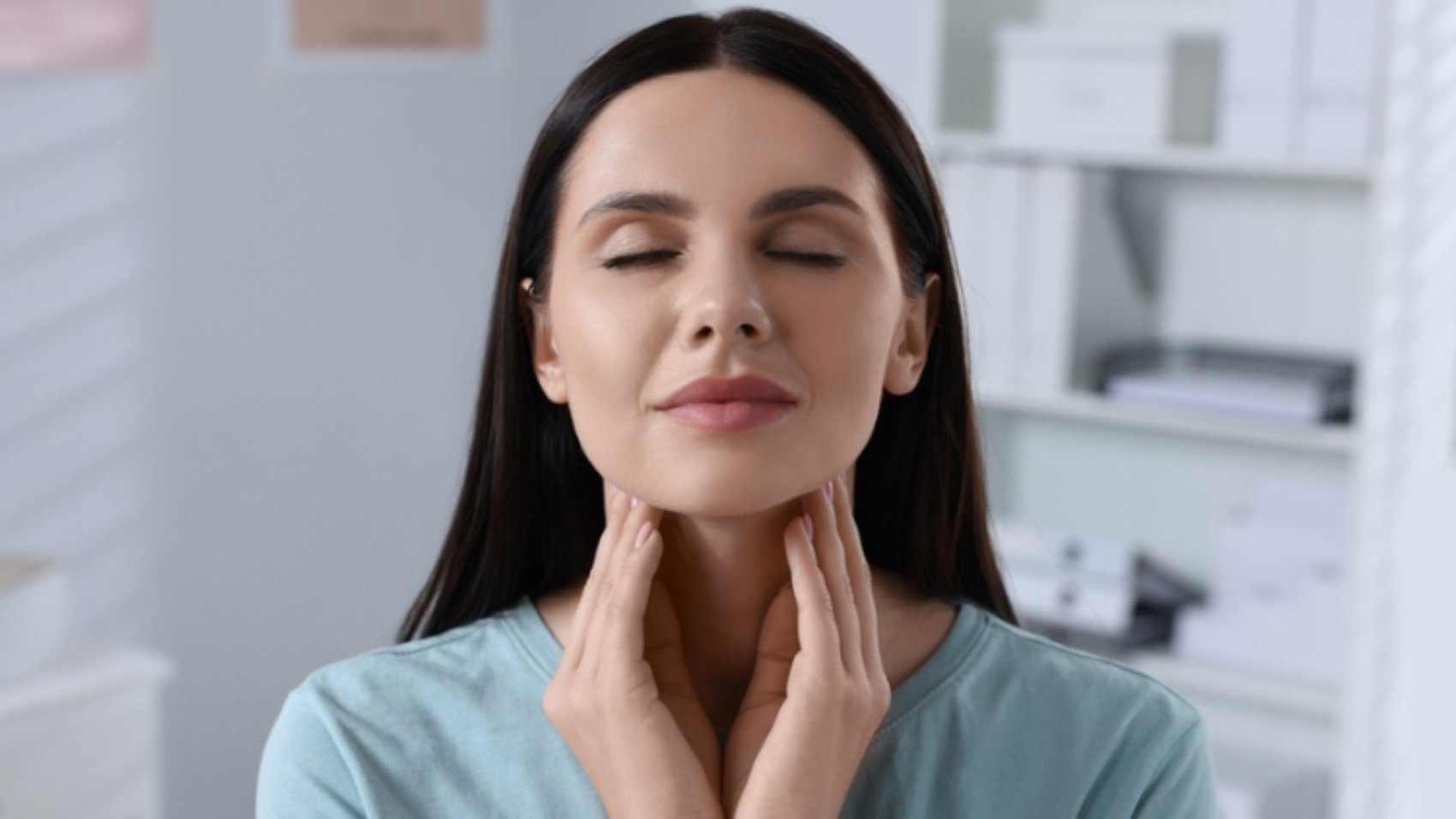
Do you feel unexplained fatigue, mood swings, weight fluctuations, or disrupted sleep?
These are often signs that your hormones are out of balance. We understand how frustrating and overwhelming it can feel when your body seems out of sync, despite healthy habits. At Etara Wellness in Newport Beach, our naturopathic approach helps identify the root causes of hormonal imbalance, guiding you toward natural, lasting solutions that restore energy, mental clarity, and overall wellbeing.
Dr. Rasha El Naggar, MD, ND, combines traditional medical training with naturopathic expertise to provide comprehensive hormonal care. With years of experience in integrative medicine, she has helped countless patients regain balance and vitality. All content and recommendations are reviewed by Dr. Rasha El Naggar, ensuring medically accurate and safe guidance. By combining clinical knowledge with a holistic perspective, Etara Wellness offers a trustworthy, patient-centered approach to addressing hormonal concerns.
Hormones are chemical messengers that regulate key body functions, including metabolism, mood, reproductive health, and energy levels. When hormone levels fluctuate or become imbalanced, it can manifest in a variety of symptoms.
Common Signs of Hormonal Imbalance
Fatigue and low energy: Feeling constantly tired despite adequate sleep
Mood swings or anxiety: Emotional instability or irritability
Weight fluctuations: Sudden weight gain or difficulty losing weight
Sleep disturbances: Insomnia or poor sleep quality
Hair and skin changes: Hair thinning, acne, dry skin
Root Causes
Hormonal imbalance may result from:
Stress: Chronic stress increases cortisol, affecting thyroid and reproductive hormones
Nutrient deficiencies: Low vitamin D, magnesium, or B-complex can disrupt hormone production
Poor sleep patterns: Sleep regulates cortisol, insulin, and melatonin
Lifestyle factors: Sedentary habits, processed foods, and alcohol can alter hormone balance
Medical conditions: Thyroid disorders, PCOS, or menopause
Clinical Examples / Scenarios:
A patient experiencing fatigue, sugar cravings, and irregular cycles was found to have adrenal fatigue. Targeted lab testing and a customized supplement and lifestyle plan restored hormonal balance within weeks.
Another patient with hair thinning and insomnia benefited from thyroid-focused naturopathic care, including nutrition optimization, stress management, and hormone-supportive IV therapy.
Tip: Always educate users without promising a cure.
Example: “A balanced diet, regular sleep, and stress management may help support healthy hormone levels.”
Addressing hormonal imbalance often requires small, consistent lifestyle adjustments.
Balanced nutrition: Include whole foods rich in fiber, healthy fats, and protein to support hormone production
Regular exercise: Moderate aerobic activity and strength training improve insulin sensitivity and cortisol balance
Stress reduction: Meditation, deep breathing, or yoga can help lower cortisol
Hydration: Adequate water intake is essential for optimal metabolic function
For personalized guidance, schedule a consultation with our Naturopathic Doctor in Newport Beach to develop a plan tailored to your unique hormonal profile.
At Etara Wellness, we use a comprehensive, root-cause approach to treat hormonal imbalance:
Our approach integrates holistic naturopathic care with medical expertise, ensuring each patient receives safe, effective, and personalized solutions.
FAQs About Hormonal Imbalance
Q1: What are the common signs of hormonal imbalance? A: Fatigue, mood swings, sleep disturbances, weight changes, hair or skin issues may indicate hormonal imbalance.
Q2: How can a naturopathic doctor help? A: By identifying root causes, recommending lifestyle modifications, nutrition, supplements, and targeted therapies.
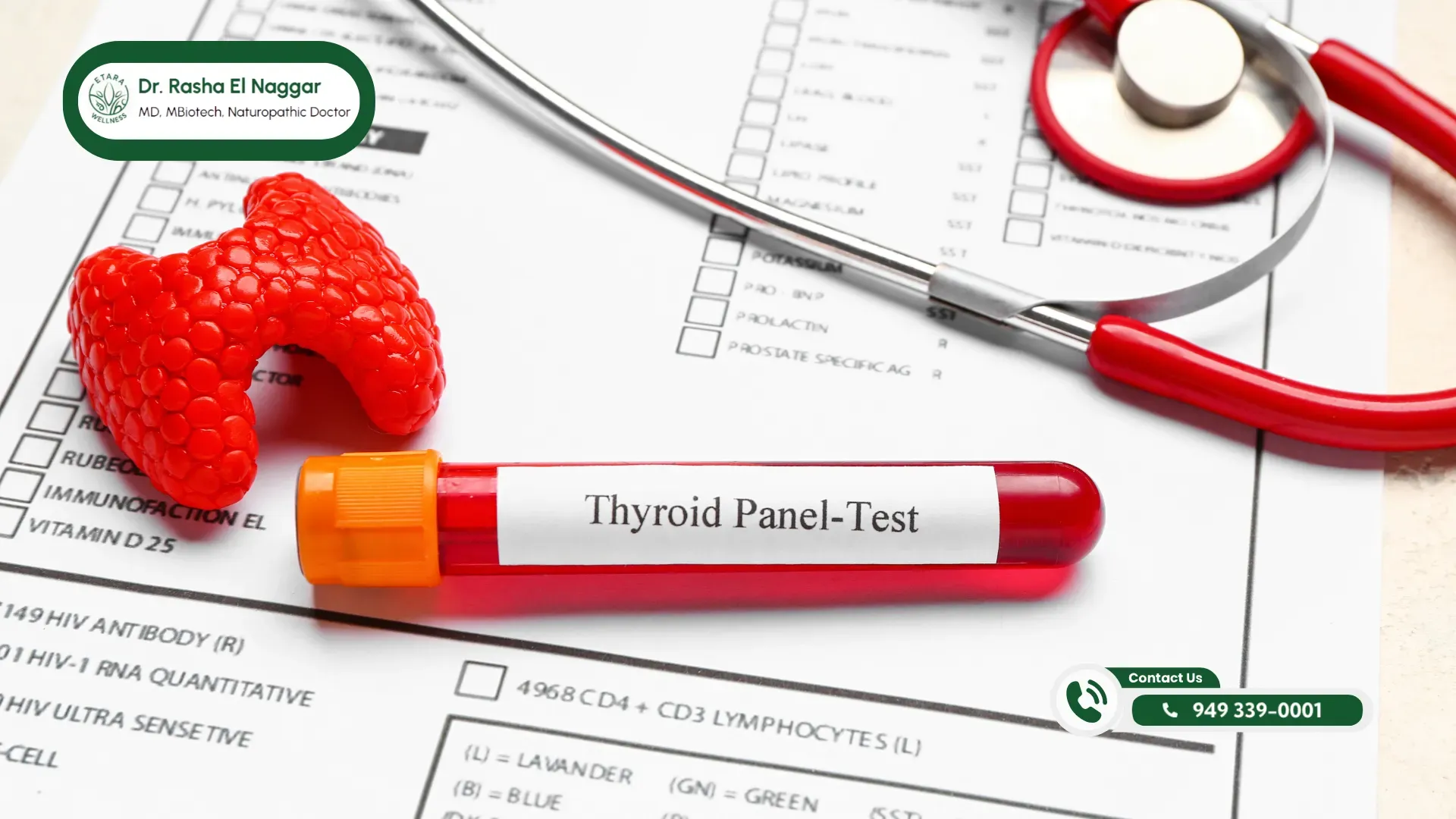
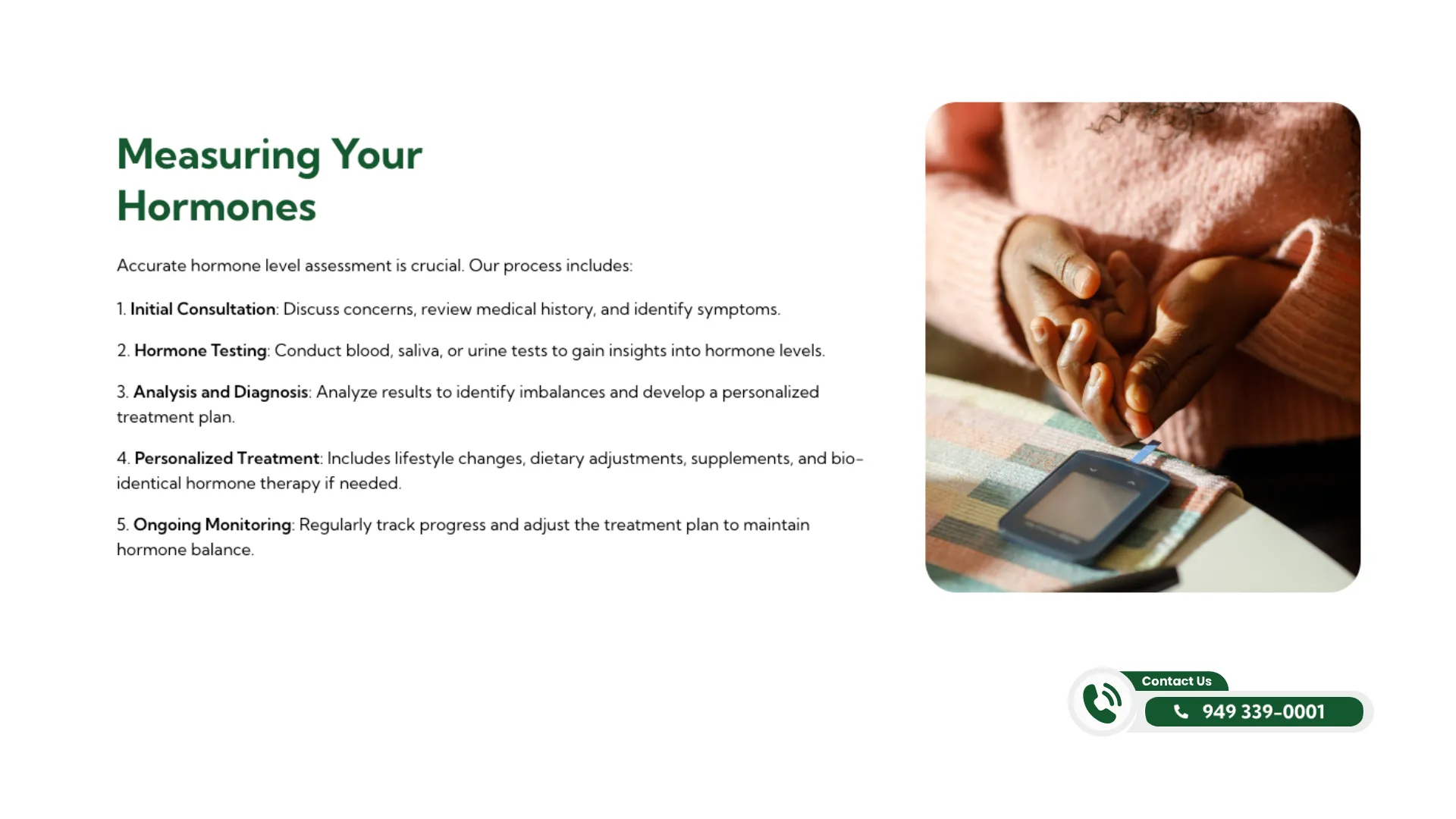
Q3: Is lab testing necessary? A: Functional lab testing provides critical insight into hormone levels and imbalances, helping create a personalized plan.
Q4: Can IV therapy support hormone balance? A: Yes. Nutrient-rich IV therapy can help restore vitamins and minerals essential for hormone production.
Q5: How long until improvements are noticed? A: Many patients see noticeable changes within 4–6 weeks, depending on severity and adherence.
Take Control of Your Hormonal Health Today
Don’t ignore the signs of hormonal imbalance. At Etara Wellness in Newport Beach, Dr. Rasha El Naggar, MD, ND, provides personalized, medically supervised naturopathic care to restore balance and vitality.
Book your consultation today to start your journey toward better energy, improved mood, and overall wellbeing. Let us help you achieve lasting hormonal balancesafely and effectively.
In the realm of holistic wellness and natural medicine, few systems in the body have as profound an impact on overall health as the thyroid gland. As a cornerstone of naturopathic care at Etara Wellness, thyroid optimization represents a comprehensive approach to addressing one of the body’s most essential regulatory systems.
Under the expert guidance of Dr. Rasha El Naggar, patients learn how balanced thyroid function can positively impact numerous aspects of their health and vitality.
Key Takeaways for the Top 5 Benefits of Thyroid Optimization
The Thyroid as the Body’s Metabolic Hub: The thyroid gland regulates nearly every primary bodily function, including metabolism, energy production, mood, digestion, and hormonal balance, underscoring its central role in holistic health.
Subtle Imbalances Have Wide-Ranging Effects: Even minor deviations in thyroid hormone levels, which are not always detected by standard tests, can cause significant symptoms, including fatigue, weight changes, mood disturbances, and fertility issues.
Holistic Approaches Go Beyond Lab Results: Optimal thyroid care requires comprehensive testing and personalized protocols, not just normalizing TSH levels, to address the unique needs of each patient.
Restored Thyroid Health = Revitalized Energy: Proper thyroid function boosts energy, metabolism, and stamina by ensuring cells efficiently convert nutrients into usable energy, often eliminating persistent fatigue.
Mood and Mental Clarity Dramatically Improve: Balanced thyroid hormones are crucial for maintaining mood, memory, and cognitive function; optimization can alleviate symptoms such as brain fog, anxiety, and depression that may not respond to standard treatments.
Effective Weight Management Becomes Possible: Thyroid optimization supports a healthy metabolism and hormonal balance, making weight loss and maintenance easier and more sustainable without the need for extreme diets.
Physical Appearance Reflects Inner Health: Improvements in thyroid function often lead to healthier hair, skin, and nails, resolving aesthetic issues such as hair thinning, brittle nails, and a dull complexion.
Thyroid Impacts Women’s Hormonal and Reproductive Health: Optimal thyroid function is vital for regular menstrual cycles, fertility, and balanced reproductive hormones, addressing issues from PMS to infertility.
Nutrient Deficiencies Matter: Thyroid health is strongly influenced by the availability of critical nutrients like selenium, zinc, iodine, omega-3s, B-vitamins, and vitamin D, which are targeted in holistic treatments.
Lifestyle and Environmental Triggers Are Key Factors: Supporting the thyroid naturally involves addressing stress, gut health, environmental toxins, sleep quality, and inflammation, all of which impact thyroid performance.
Persistent Symptoms Despite ‘Normal’ Labs Warrant Further Exploration: If you continue to experience symptoms tied to thyroid dysfunction but have been told your labs are ‘normal,’ comprehensive thyroid optimization may uncover and resolve the root causes.
Personalized Naturopathic Care Delivers Lasting Results: The Etara Wellness approach, led by Dr. Rasha El Naggar, combines advanced testing with individualized protocols, offering patients a path to vitality, resilience, and lasting well-being through thyroid optimization.
What Is Thyroid Optimization?
Understanding the Role of the Thyroid Gland
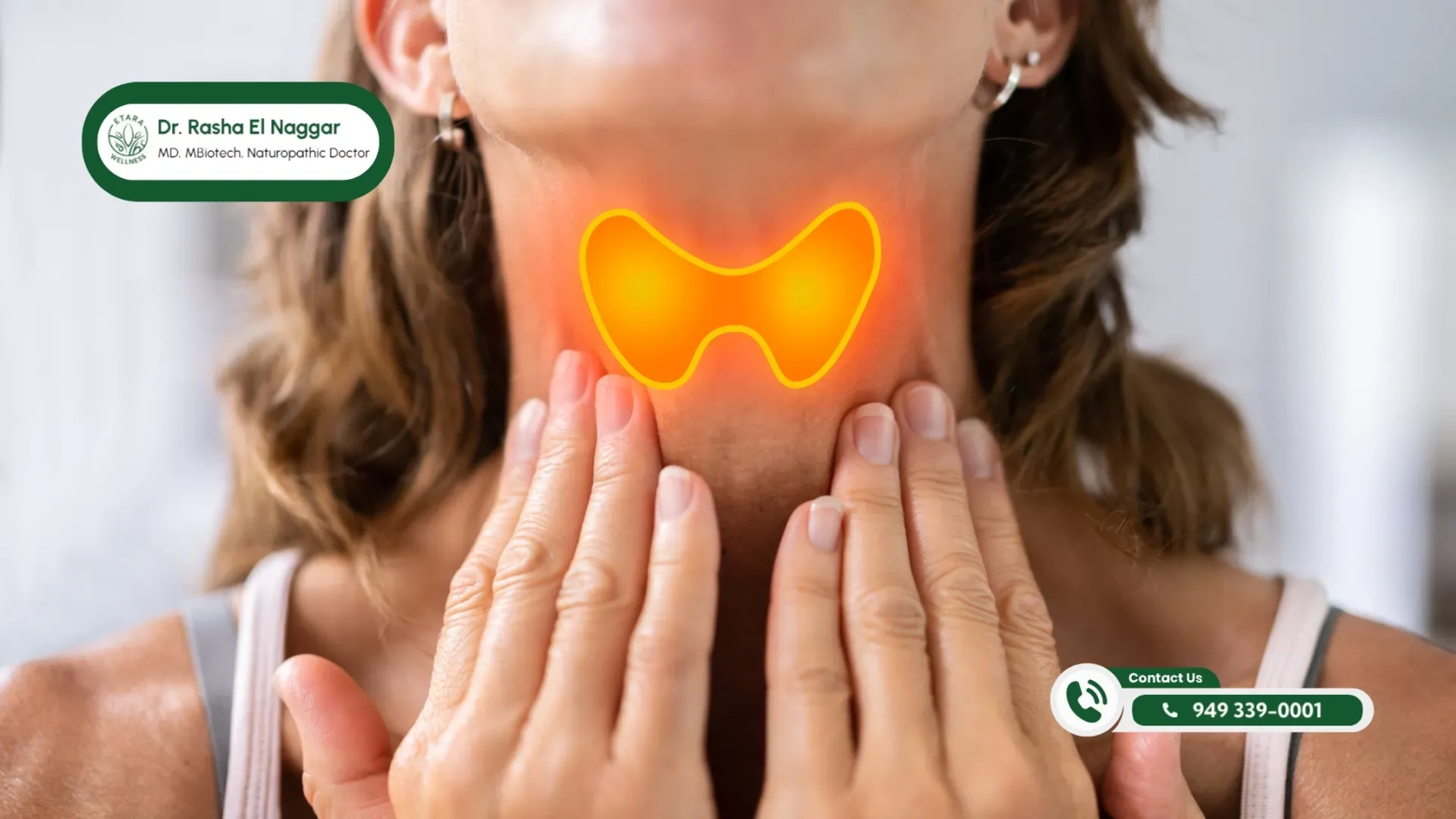
The thyroid, a butterfly-shaped gland located at the base of the neck, serves as the body’s metabolic control center. This small but mighty organ produces hormones that regulate nearly every cellular process—from how quickly calories are burned to heart rate, digestive function, and even emotional well-being. These thyroid hormones, primarily T3 and T4, act as messengers, instructing cells throughout the body on how to utilize energy and perform their specific functions.
What Happens When Thyroid Function Is Imbalanced?
When thyroid function deviates from optimal levels—whether through hypothyroidism (underactive thyroid) or hyperthyroidism (overactive thyroid)—the effects can manifest throughout the entire body. Unfortunately, conventional medicine often focuses solely on bringing laboratory values within standard ranges rather than optimizing function for individual needs. This “one-size-fits-all” approach can leave many patients suffering with persistent symptoms despite “normal” test results.
Common consequences of suboptimal thyroid function include:
Persistent fatigue and low energy
Unexplained weight fluctuations
Mood disturbances and cognitive difficulties
Hair loss and skin changes
Digestive disruptions
Temperature dysregulation
Menstrual irregularities and fertility challenges
The Goals of Thyroid Optimization in Holistic Care
At Etara Wellness, thyroid optimization extends beyond simply normalizing TSH (Thyroid Stimulating Hormone) levels. Through comprehensive testing and personalized treatment protocols, Dr. El Naggar evaluates the complex network of factors influencing thyroid health, including:
Nutrient status and deficiencies
Adrenal function and stress hormone levels
Gut health and digestive efficiency
Environmental toxin exposure
Immune system function and inflammatory markers
Hormonal balance across all endocrine systems
The ultimate goal is to achieve a state where thyroid hormones are not only produced in appropriate amounts but also efficiently converted, transported, and utilized by target tissues, creating a foundation for vibrant health throughout the body.
Benefit #1 – Increased Energy and Reduced Fatigue
How Thyroid Hormones Affect Metabolism and Energy
The most celebrated benefit of optimized thyroid function is its profound impact on energy levels. The thyroid serves as the body’s primary regulator of cellular metabolism—the process by which cells convert nutrients into usable energy. When thyroid hormones are properly balanced, cells function at their optimal efficiency, providing sustained energy throughout the day.
Specifically, thyroid hormones:
Stimulate mitochondria (the cell’s power plants) to produce more ATP, the energy currency of cells
Regulate oxygen consumption and cellular respiration
Support proper glucose utilization and storage
Maintain appropriate body temperature for optimal enzymatic function
Natural Ways to Boost Energy Through Thyroid Support
Energy restoration through thyroid optimization typically involves a multi-faceted approach:
Nutritional therapy focusing on thyroid-supportive nutrients like selenium, zinc, iodine, and tyrosine
Herbal medicine protocols using adaptogens and thyroid-specific botanicals
Identification and removal of foods that may trigger inflammation or autoimmune responses
Strategic supplementation to address specific deficiencies
Detoxification support to remove thyroid-disrupting compounds
Case Example: Fatigue Relief Through Naturopathic Care
A 42-year-old patient reported “hitting a wall” by early afternoon despite adequate sleep and a seemingly healthy lifestyle. Despite previous doctors dismissing her concerns due to “normal” TSH levels, broader testing was conducted that revealed suboptimal T3 conversion, significant nutrient deficiencies, and elevated cortisol patterns affecting thyroid receptor sensitivity.
Through a personalized protocol of targeted supplementation, stress management techniques, and dietary adjustments to support both thyroid and adrenal function, the patient experienced progressive energy improvements within weeks. By the three-month follow-up, she reported sustained energy throughout the day and a renewed capacity for physical activity—all without the need for stimulants or pharmaceutical intervention.
The relationship between thyroid function and mental health is well-established yet frequently overlooked in conventional care settings. Thyroid receptors are abundant throughout the brain, particularly in regions governing mood, cognition, and emotional regulation. When thyroid hormones are imbalanced, these neurological functions can become significantly compromised.
Research demonstrates that thyroid optimization can substantially improve:
Depressive symptoms
Anxiety levels
Cognitive processing speed
Memory retention and recall
Executive function capabilities
Overall sense of well-being
Addressing Brain Fog, Anxiety, and Depression
Many patients arrive at Etara Wellness describing persistent mental “cloudiness” or emotional disturbances that haven’t responded to conventional treatments. These symptoms often represent the brain’s response to suboptimal thyroid function. Dr. El Naggar’s approach includes:
Evaluating the complex interplay between thyroid hormones and neurotransmitters
Assessing for hidden patterns of thyroid autoimmunity that may affect brain function
Identifying inflammatory triggers that compromise both thyroid function and neurological health
Implementing natural remedies that support both thyroid health and neurotransmitter balance
Key Nutrients That Support Mental Wellness
The brain-thyroid connection relies heavily on specific nutrients that serve dual purposes in supporting both systems:
Omega-3 fatty acids for membrane fluidity and anti-inflammatory effects
B-vitamins for energy production and neurotransmitter synthesis
Vitamin D for receptor sensitivity and immune regulation
Magnesium for nerve function and thyroid hormone activation
Amino acids that serve as building blocks for both hormones and neurotransmitters
Through targeted supplementation and dietary guidance, patients often experience significant improvements in mental clarity, emotional stability, and cognitive resilience as their thyroid function improves.
Benefit #3 – Healthy Weight Management
Why Thyroid Function Influences Body Weight
The frustration of weight management challenges despite disciplined diet and exercise efforts often signals underlying thyroid dysfunction. As the master regulator of metabolism, thyroid hormones directly influence:
Basal metabolic rate (calories burned at rest)
Efficiency of fat storage and utilization
Appetite regulation and satiety signals
Insulin sensitivity and blood sugar balance
Digestive function and nutrient absorption
When thyroid function is suboptimal, the body tends to conserve energy by downregulating metabolic processes, making weight loss difficult even with caloric restriction. This protective mechanism, designed for survival in times of famine, becomes problematic in our modern environment of abundant food availability.
Supporting a Balanced Metabolism Naturally
At Etara Wellness, metabolic health through thyroid optimization involves:
Identifying individual factors inhibiting proper thyroid function
Supporting healthy conversion of T4 to the more metabolically active T3
Addressing leptin and insulin resistance that may accompany thyroid imbalance
Enhancing liver function for adequate hormone metabolism
Restoring gut microbiome diversity for optimal nutrient absorption
Dr. El Naggar utilizes advanced testing to evaluate metabolic markers beyond standard thyroid panels, enabling precise and targeted interventions that address the underlying causes of metabolic stagnation.
Lifestyle Shifts That Promote Sustainable Weight Loss
Successful weight management through thyroid optimization typically incorporates:
Strategic timing of meals to support circadian hormone patterns
Anti-inflammatory nutrition focusing on whole foods that support thyroid function
Appropriate physical activity that stimulates metabolism without overtaxing the adrenal system
Stress reduction techniques that minimize cortisol’s thyroid-suppressing effects
Sleep quality improvements that support overnight hormone balancing
Environmental toxin reduction to minimize thyroid-disrupting compounds
Many patients report that after thyroid optimization, their bodies respond more effectively to dietary and exercise efforts, enabling sustainable weight management without resorting to extreme measures.
Benefit #4 – Enhanced Hair, Skin, and Nail Health
Common Aesthetic Symptoms of Thyroid Imbalance
The health of the body’s external tissues—particularly hair, skin, and nails—serves as a visible barometer of thyroid function. These rapidly regenerating tissues require significant cellular energy and proper protein synthesis, both of which are heavily dependent on thyroid hormones. Common manifestations of thyroid dysfunction include:
Diffuse hair thinning or loss
Dry, brittle hair texture
Premature graying
Dry, rough, or scaly skin
Delayed wound healing
Loss of the outer third of eyebrows
Brittle, ridged, or slow-growing nails
Acne resistant to conventional treatments
These symptoms, often dismissed as cosmetic concerns, actually represent necessary signals of underlying metabolic imbalance.
How Optimization Revives Outer Vitality
As thyroid function improves through naturopathic treatment, patients typically notice gradual improvements in these external tissues:
Hair regains thickness, luster, and appropriate growth rate
Skin moisture balance normalizes
Wound healing accelerates
Nail strength and growth patterns improve
Overall complexion brightens and becomes more resilient
These improvements stem from enhanced cellular metabolism, improved circulation, more efficient protein synthesis, and optimal nutrient utilization—all direct benefits of restored thyroid function.
Natural Remedies That Restore Radiance
Dr. El Naggar’s protocols for enhancing external vitality often include:
Collagen-supporting nutrients like vitamin C, silica, and specific amino acids
Essential fatty acids to support skin membrane integrity
Herbal formulations that improve circulation to peripheral tissues
Topical applications that complement internal thyroid support
Identification and elimination of potential toxins disrupting skin and hair health
These approaches work synergistically with thyroid optimization to restore not only health but also confidence and self-image for many patients.
Benefit #5 – Balanced Hormones and Menstrual Health
Thyroid’s Role in Female Hormonal Regulation
The interrelationship between thyroid health and reproductive hormone balance represents one of the most significant yet underappreciated aspects of women’s health. The thyroid gland communicates constantly with the ovaries and adrenal glands, creating a delicate orchestration of hormonal signals. When thyroid function falters, this entire system can become dysregulated.
Specifically, thyroid hormones influence:
Ovulation quality and frequency
Progesterone production and utilization
Estrogen metabolism and clearance
Sex hormone binding globulin levels
Prolactin secretion and regulation
Adrenal hormone production
This intricate relationship explains why thyroid dysfunction frequently manifests as reproductive and menstrual irregularities.
Addressing PMS, Irregular Cycles, and Fertility Concerns
At Etara Wellness, the connection between thyroid health and reproductive function forms a cornerstone of holistic women’s care. Common concerns that improve with thyroid optimization include:
Irregular menstrual cycles
Heavy or painful periods
Premenstrual mood disturbances
Mid-cycle spotting
Luteal phase defects affecting fertility
Unexplained infertility or recurrent pregnancy loss
Perimenopausal symptom intensity
By addressing the thyroid component of these issues, many women experience significant relief without requiring synthetic hormone replacement or more invasive interventions.
Personalized Hormonal Support at Etara Wellness
Dr. El Naggar’s approach to hormonal balance through thyroid optimization typically involves:
Comprehensive hormone testing beyond standard panels
Identification of specific conversion and clearance patterns
Botanical medicine to support both thyroid and reproductive function
Nutritional protocols addressing the shared needs of both systems
Lifestyle guidance to minimize disruptive factors
Strategic supplementation based on individual biochemistry
Many patients express surprise at how seemingly unrelated hormonal concerns resolve when thyroid function achieves its optimal state, often after years of unsuccessful treatment approaches focused solely on reproductive hormones.
How to Know If You Need Thyroid Optimization
Common Signs and Symptoms to Watch For
While laboratory testing provides valuable data, being attentive to your body’s signals offers equally important information about thyroid function. Consider seeking evaluation if you experience:
Persistent fatigue despite adequate sleep
Unusual sensitivity to cold temperatures
Unexplained weight changes
Hair thinning or excessive shedding
Memory issues or difficulty concentrating
Mood changes including anxiety or depression
Digestive disturbances
Muscle weakness or frequent cramping
Menstrual irregularities or fertility challenges
Dry skin or brittle nails
These symptoms, particularly when presenting in combination, often signal suboptimal thyroid function even when standard laboratory values appear “normal.”
When to Seek Naturopathic Support for Thyroid Health
Naturopathic care may be particularly beneficial if:
You have “normal” thyroid tests but persistent symptoms
You’re already on thyroid medication but still experiencing symptoms
You’ve been diagnosed with an autoimmune condition
You’ve tried multiple approaches without satisfactory results
At Etara Wellness, many patients find answers after experiencing frustration with conventional approaches that failed to address the complexity of thyroid health.
Initial Consultation Process at Etara Wellness
The journey to thyroid optimization at Etara Wellness begins with a comprehensive initial assessment with Dr. El Naggar. This thorough evaluation typically includes:
Detailed health history review
Extensive symptom analysis
Physical examination focusing on thyroid-related signs
Comprehensive laboratory testing beyond standard panels
Review of previous treatment approaches and outcomes
Assessment of related systems including digestive, immune, and adrenal function
This multifaceted approach allows for the development of truly personalized protocols that address the unique factors influencing each patient’s thyroid health.
FAQs for Top 5 Benefits of Thyroid Optimization
What is Thyroid Optimization?
Thyroid optimization is the process of adjusting thyroid hormone levels, primarily T3 and T4-to support your body’s metabolism, energy, mental clarity, and overall holistic wellness. This approach aims to alleviate symptoms such as fatigue, weight gain, hair loss, and mood changes by optimizing your thyroid gland’s function, often through a combination of naturopathic care, lifestyle modifications, and, if necessary, medication.
What is the Optimal Thyroid Level?
Optimal thyroid levels are the specific ranges of thyroid hormones where most people feel their best and experience symptom relief. Generally, optimal levels are:
TSH: 0.5–2.5 uIU/mL
Free T3: 3.8–4.4 pg/mL
Free T4: 1.4–1.77 ng/dL
These values can vary based on individual needs, age, and life stages; therefore, it is essential to consult with a healthcare provider to determine your optimal range. Symptoms, not just lab numbers, should guide adjustments for proper hormone balance.
How Can I Optimize My Thyroid Function?
To optimize thyroid function and achieve hormone balance, focus on these key steps:
Eat a nutrient-rich diet that includes adequate amounts of iodine, selenium, and zinc to support thyroid hormone production and metabolism.
Manage stress using relaxation techniques like meditation or yoga, as chronic stress can disrupt thyroid and adrenal function.
Get quality sleep (7–9 hours per night) to aid hormone regulation and overall wellness.
Exercise regularly, but avoid overexertion to prevent additional stress on the thyroid gland.
Address gut health and correct any nutrient deficiencies, as these can impact thyroid hormone absorption and conversion.
Work with a healthcare provider for regular lab assessments and personalized naturopathic care, especially if you experience symptoms such as fatigue, weight changes, hair loss, or menstrual health issues.
These strategies can help restore energy, support weight management, improve skin and hair health, and promote mental clarity as part of a holistic wellness plan centered on thyroid optimization.
What is natural thyroid optimization?
Natural thyroid optimization is a holistic approach that supports the thyroid gland through lifestyle changes, proper nutrition, and naturopathic care, aiming to restore healthy thyroid hormone levels. It focuses on addressing root causes, such as nutrient deficiencies, stress, gut health, and adrenal function, to improve metabolism, energy, and overall wellness.
Can optimizing your thyroid reduce your risk of heart disease?
Yes, optimizing your thyroid can lower your risk of heart disease. Balanced thyroid hormones help regulate cholesterol levels, heart rate, and blood pressure—key factors in cardiovascular health. A healthy thyroid supports better circulation and reduces inflammation, both of which are essential for long-term heart health protection.
Can you do anything to improve thyroid function?
Yes, you can improve thyroid function through diet, lifestyle changes, and targeted supplementation. A balanced diet low in processed foods, regular exercise, stress management, and sufficient sleep are crucial for thyroid optimization. Specific nutrients, such as iodine, selenium, and zinc, are also vital for the production of thyroid hormones.
What are early warning signs of thyroid problems?
Early warning signs of thyroid problems include unexplained fatigue, weight changes, sensitivity to cold or heat, and mood swings. Other signs can be dry skin, hair loss, constipation, and changes in heart rate. Recognizing these symptoms early can lead to prompt diagnosis and effective thyroid optimization strategies.
What is the optimal TSH level for thyroid patients?
The optimal TSH (Thyroid Stimulating Hormone) level for thyroid patients is typically between 1.0 and 2.5 mIU/L, although individual needs may vary. While conventional medicine often considers TSH levels of 0.5-5.0 mIU/L to be “normal,” many thyroid specialists and functional medicine practitioners recognize that patients feel their best when TSH is within a narrower range. Proper thyroid optimization focuses on achieving ideal hormone levels while addressing symptoms, not just getting within standard reference ranges.
What does it mean to optimize your thyroid?
Thyroid optimization means achieving optimal function of your thyroid gland beyond just “normal” lab values. It involves finding the perfect balance of thyroid hormones (T3, T4, and TSH) that enables your body to function optimally, while addressing underlying issues that may impact thyroid health, such as nutrient deficiencies, gut health problems, and adrenal function. Proper thyroid optimization typically results in improved metabolism, increased energy, better weight management, enhanced mental clarity, and overall hormone balance.
Does thyroid optimization help with weight management?
Yes, thyroid optimization significantly improves weight management by enhancing metabolic function. When thyroid hormones are properly balanced, your body converts food into energy more efficiently, rather than storing it as fat. Many patients struggling with unexplained weight gain despite diet and exercise find that optimizing their thyroid function is the missing piece in their weight management journey. Addressing underlying thyroid issues often leads to more sustainable weight results than calorie restriction alone.
Can thyroid optimization help alleviate fatigue and boost energy levels?
Absolutely. Chronic fatigue is one of the most common symptoms of suboptimal thyroid function, and proper thyroid optimization typically results in significantly improved energy levels. Your thyroid hormones directly regulate your metabolism and cellular energy production. When thyroid function is optimized, patients often experience renewed vitality, improved stamina, better morning energy, and reduced need for caffeine and stimulants to function throughout the day.
How can I achieve optimal thyroid levels?
Optimal thyroid levels can be achieved by addressing nutrient deficiencies, supporting gut health, and balancing lifestyle factors. Ensure adequate intake of iodine, selenium, and zinc, which are critical for thyroid hormone production. A diet rich in whole foods, combined with stress management and quality sleep, supports the thyroid gland. Regular testing of TSH, Free T4, and Free T3 levels, along with naturopathic care, helps identify imbalances early.
How do I optimize thyroid medication?
Optimizing thyroid medication involves working closely with a healthcare provider to fine-tune dosage and timing. Start by taking your medication consistently, ideally on an empty stomach, and avoid foods or supplements that can interfere with absorption, such as calcium or iron. Regular blood tests, performed every 6-12 weeks, help ensure that thyroid hormones are balanced, which in turn improves weight management, mental clarity, and skin health. Incorporating naturopathic care, such as adrenal function support and gut health optimization, can enhance the effectiveness of medication.
What Our Patients Say About Etara Wellness
A Thorough and Personalized Approach to Health
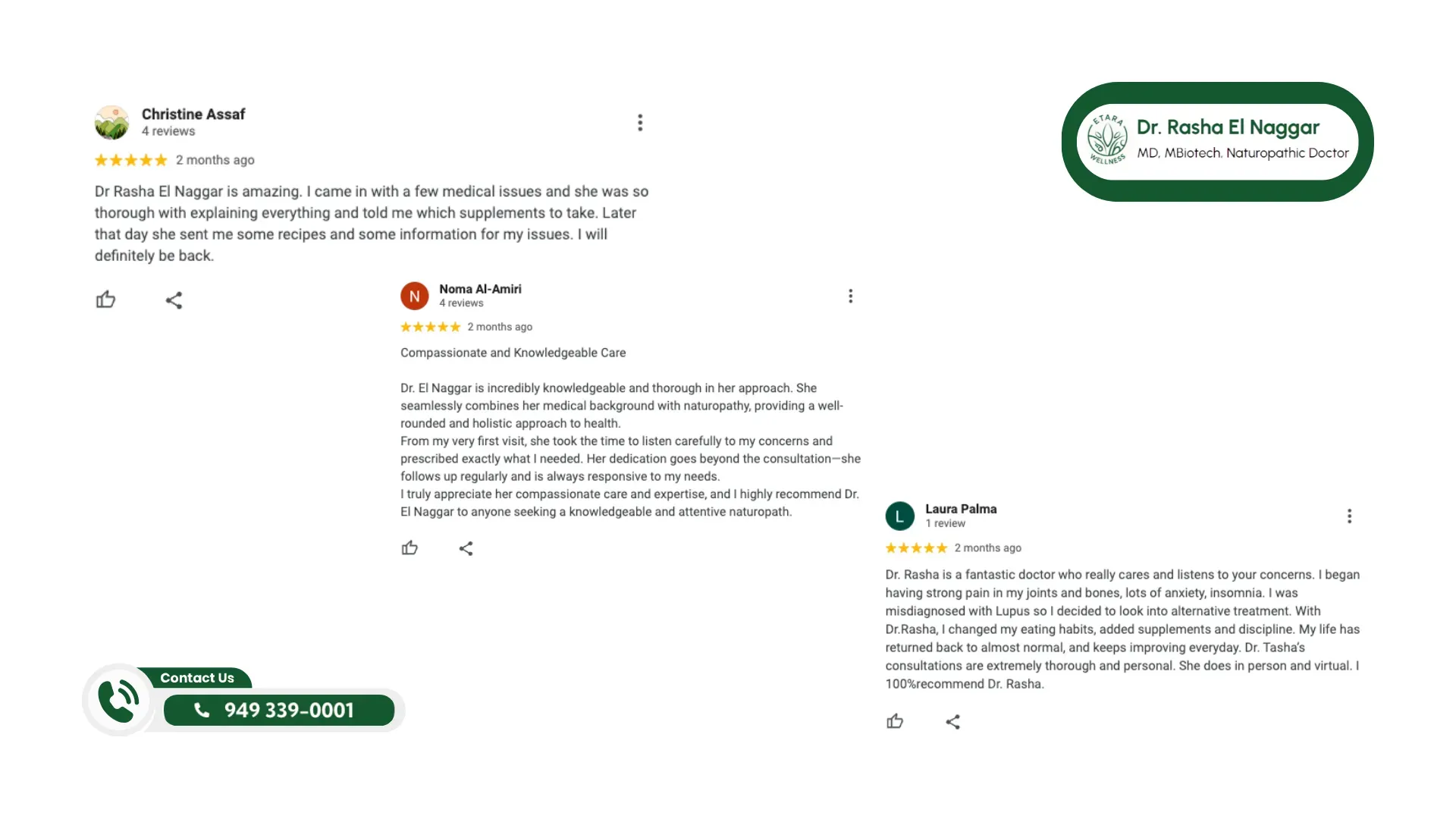
“Dr. Rasha El Naggar is amazing. I came in with a few medical issues, and she was so thorough with explaining everything and told me which supplements to take. Later that day, she sent me some recipes and information to address my issues. I will definitely be back.” — Christine Assaf, New patient
Holistic Healthcare That Makes a Difference
“Dr. El Naggar is incredibly knowledgeable and thorough in her approach. She seamlessly combines her medical background with naturopathy, providing a well-rounded and holistic approach to health. From my very first visit, she took the time to listen carefully to my concerns and prescribed exactly what I needed. Her dedication goes beyond the consultation—she follows up regularly and is always responsive to my needs. I truly appreciate her compassionate care and expertise, and I highly recommend Dr. El Naggar to anyone seeking a knowledgeable and attentive naturopath.” — Noma Al-Amiri, Current patient
Finding Relief After Misdiagnosis
“Dr. Rasha is a fantastic doctor who really cares and listens to your concerns. I began having strong pain in my joints and bones, lots of anxiety, insomnia. I was misdiagnosed with Lupus, so I decided to look into alternative treatment. With Dr. Rasha, I changed my eating habits, added supplements and discipline. My life has returned back to almost normal, and keeps improving everyday. Dr. Rasha’s consultations are extremely thorough and personal. She does in person and virtual. I 100% recommend Dr. Rasha.” — Laura Palma, Recovered patient
Conclusion
The benefits of thyroid optimization extend far beyond relieving specific symptoms—they represent a fundamental restoration of the body’s most basic metabolic processes. Through the comprehensive and personalized approach offered at Etara Wellness, patients experience improvements across multiple dimensions of health as their thyroid function reaches its optimal state.
Under Dr. El Naggar’s expert guidance, thyroid optimization serves as a powerful gateway to enhanced energy, mental clarity, healthy weight management, improved aesthetic health, and balanced hormonal function. This multifaceted impact exemplifies the core principle of naturopathic medicine—that by addressing root causes and supporting the body’s intrinsic healing capacity, comprehensive wellness naturally follows.
If you’ve been struggling with persistent health concerns despite seemingly normal test results, or if you’re simply seeking to elevate your vitality to its highest potential, exploring thyroid optimization at Etara Wellness may provide the breakthrough you’ve been seeking. Contact our office today to schedule your initial consultation and begin your journey toward optimized thyroid health and the vibrant well-being that accompanies it.
Disclaimer: This content is for educational purposes only and not intended as medical advice. Consult a healthcare professional for any medical concerns.
—————————————————————————————————————————————–
Dr. Rasha El Naggar, MD, Ms.Biotech, ND – Founder of Etara Wellness
Dr. Rasha El Naggar is a distinguished Naturopathic Doctor, who melds rigorous scientific training with a holistic approach to wellness. Her academic journey commenced at Ain Shams University, Egypt, where she was awarded her MD, followed by an MS in Biotechnology from Johns Hopkins University. Dr. El Naggar further honed her expertise in naturopathic medicine at Bastyr University, San Diego, embodying a profound commitment to integrative health practices.
Based in Orange County, California, Dr. El Naggar is renowned for her personalized care in hormonal regulation, weight management, gut health, mental well-being, and regenerative medicine. Her health challenges catalyzed her passion for naturopathy, fostering a deep empathy and a holistic methodology in patient care.
As the visionary behind Etara Wellness, Dr. El Naggar integrates ancient healing traditions with contemporary scientific evidence. Her mission is to empower individuals to achieve balance, vitality, and optimal health. Dr. El Naggar’s professional narrative is characterized by resilience, innovation, and a relentless pursuit of wellness, making her a vanguard in naturopathic medicine.
Hormonal imbalances can significantly impact your health and well-being. Are you experiencing unexplained weight gain, mood swings, or fatigue? These could be signs that your hormones are out of balance.
This article will explore six key symptoms that may indicate a need for hormonetherapy, explain how this treatment can help restore balance, and guide you in determining if it’s the right choice for you. By understanding these signs, you can take proactive steps towards better health with the help of a qualified physician.
Key Takeaways for the 6 Symptoms Indicating You Might Need Hormone Therapy
Understanding Hormones: Hormones are essential chemical messengers that regulate bodily functions, and their imbalance can lead to significant health issues.
Primary Symptoms: The six key symptoms indicating a need for hormone therapy are persistent fatigue, unexplained weight changes, mood swings/anxiety/depression, sleep disturbances, low libido, and irregular menstrual cycles.
Gender Impact: Both men and women can experience hormonal imbalances, with aging, stress, and medical procedures being common causes.
Treatment Options: Hormone therapy options include both bioidentical hormones (chemically identical to body-produced ones) and traditional synthetic hormones.
Natural Solutions: Natural approaches to hormonal health, including exercise, dietary changes, and stress reduction techniques, can complement traditional hormone therapy.
Monitoring Requirements: Regular blood tests and ongoing communication with healthcare providers are essential for successful hormone therapy outcomes.
Liver Function: The liver plays a crucial role in hormone metabolism, making it an essential factor in overall hormonal health.
Health Effects: Hormonal imbalances affect various aspects of health, from bone density and muscle mass to emotional well-being.
Professional Guidance: Consulting a naturopathic doctor is crucial for correctly diagnosing and developing a personalized treatment plan.
Personalized Treatment: Hormone therapy plans should be tailored to individual needs and may require adjustments over time as the body’s hormonal balance shifts.
Risk Assessment: Before starting hormone therapy, patients should thoroughly discuss potential risks, side effects, and treatment duration.
Comprehensive Approach: A complete hormone therapy plan should include lifestyle modifications, nutritional guidance, and regular monitoring of hormone levels.
Understanding Hormonal Imbalance and Its Impact
Hormones are essential chemical messengers that regulate various bodily functions. Hormonal imbalances can significantly impact overall health, leading to symptoms like hair loss, depression, and feminizing effects in men. Common causes include aging, stress, and medical procedures such as hysterectomy. Understanding hormone receptors and their role is crucial for effectively diagnosing and treating hormonal disorders.
What Are Hormones and Why Are They Important?
Hormones are chemical messengers produced by endocrine glands that regulate various bodily functions. These powerful molecules, including estrogen, testosterone, and dihydrotestosterone, interact with specific cell receptors to control growth, metabolism, and reproduction processes. Hormones are crucial in maintaining overall health and influence bone density, gender characteristics, and emotional well-being.
Hormone imbalances, which can lead to various health issues, make hormones crucial. For example, an excess of aromatase enzyme can convert testosterone to estrogen, potentially causing feminizing effects in men. Conversely, insufficient estrogenreceptor activity may result in bone loss and increased fracture risk. Understanding the intricate balance of hormones is essential for effectively diagnosing and treating hormonal disorders.
How Hormonal Imbalances Affect Overall Health
Hormonal imbalances can significantly impact overall health and affect various bodily systems. Liver function, for instance, plays a crucial role in hormone metabolism, and disruptions can lead to imbalances. Information gathered from hormone tests can reveal issues related to prostate cancerrisk, tissuehealth, and progestogen levels.
These imbalances may manifest in diverse symptoms, ranging from mood swings to physical changes. For example, excessive progestogen levels can affect breasttissue, while low testosterone may impact musclemass and bone density. Understanding these intricate relationships is essential for accurate diagnosis and treatment:
Hormone
Function
Imbalance Effect
Testosterone
Muscle growth, bone density
Reduced muscle mass, osteoporosis
Estrogen
Reproductive health, bone strength
Mood swings, hot flashes
Progestogen
Menstrual cycle regulation
Irregular periods, breast tenderness
Common Causes of Hormonal Imbalance in Men and Women
Hormonal imbalances in men and women can stem from various factors, including aging, stress, and medical conditions. In men, an excess of aromatase enzyme can convert testosterone to estrogen, potentially leading to feminizing effects and increased prostate cancerrisk. Women may experience hormonal shifts due to menopause, pregnancy, or conditions affecting the abdomen, such as polycystic ovary syndrome.
Medical interventions can also disrupt hormonal balance. Certain medications, including aromatase inhibitors used in cancer treatment, may cause hormonal fluctuations and associated side effects like joint pain or irritation. Recent advancements, such as the development of fezolinetant for managing menopausal symptoms, highlight ongoing efforts to address hormonal imbalances and their impact on overall health.
6 Key Symptoms That Indicate You May Need Hormone Therapy
Hormonetherapy may be necessary when individuals experience persistent symptoms affecting their quality of life. Key indicators include fatigue, unexplained weight changes, mood swings, sleep disturbances, reduced libido, and menstrual irregularities. These symptoms can impact various aspects of health, from childbirth to edema. Consulting a health professional is crucial for proper diagnosis and treatment, which may include alternative medicine or medications like leuprorelin.
1. Persistent Fatigue and Low Energy Levels
Persistent fatigue and low energy levels often signal a hormone imbalance, particularly in individuals experiencing significant life changes such as pregnancy or menopause. These symptoms can manifest as constant exhaustion, even after adequate rest. They may be accompanied by unexplained weight gain, especially fat accumulation in specific body areas.
Hormonal fluctuations can also lead to conditions like gynecomastia in men, where breasttissue enlarges due to an imbalance between estrogen and testosterone levels. In some cases, certain drugs or medical treatments may exacerbate fatigue and energy issues, making it crucial for individuals to consult with a healthcare professional to determine if hormonetherapy is necessary.
2. Unexplained Weight Gain or Difficulty Losing Weight
Unexplained weight gain or difficulty losing weight often indicates hormonal imbalances that may require hormonetherapy. Hormonal fluctuations can affect metabolism and fat distribution, leading to weight changes that are resistant to diet and exercise. Screening for hormone-related conditions, such as thyroid disorders or polycystic ovary syndrome, can help identify underlying causes.
Combination therapy approaches may be necessary to address weight issues stemming from hormonal imbalances. For instance, prostate cancertreatment can sometimes lead to weight gain as a side effect, requiring a tailored approach to hormone management. Certain types of intrauterine devices in women may influence weight by altering hormone levels, highlighting the importance of comprehensive hormonal evaluation in addressing unexplained weight changes.
3. Mood Swings, Anxiety, and Depression
Mood swings, anxiety, and depression can indicate hormonal imbalances that may require hormonetherapy. These emotional symptoms often result from fluctuations in estrogen, progesterone, and testosterone levels, which can affect neurotransmitter function in the brain. Hormone treatment, such as raloxifene for menopausal women, can help stabilize mood and reduce anxiety by targeting specific hormone receptors in cells.
Individuals with type 2 diabetes may experience mood disorders due to hormonal imbalances affecting insulin regulation. Comprehensive hormonetherapy, combined with proper insurance coverage for treatments, can address both metabolic and emotional symptoms. Healthcare providers may recommend blood tests to assess hormone levels and determine the most appropriate treatment plan for managing mood-related issues.
4. Sleep Disturbances and Insomnia
Sleep disturbances and insomnia often indicate hormonal imbalances that may require hormonetherapy. Fluctuations in estrogen levels can significantly impact sleep quality, particularly in women experiencing menopause or perimenopause. These changes can also affect libido and overall well-being, making it essential to address sleep issues as part of a comprehensive approach to hormonal health.
Men undergoing prostate cancerscreening or treatment may experience sleep disturbances due to hormonal changes. Cancer research has shown that hormonal therapies used in prostate cancertreatment can impact sleep patterns and quality. Additionally, hormonal imbalances affecting sperm production may contribute to sleep issues, highlighting the interconnected nature of reproductive health and sleep quality:
Hormonal fluctuations impact sleep cycles
Estrogen levels affect sleep quality
Prostate cancer treatments may cause sleep disturbances
Hormonal imbalances can affect both sleep and reproductive health
5. Low Libido and Sexual Health Changes
Low libido and sexual health changes often indicate hormonal imbalances that may require hormonetherapy. These issues can affect both men and women, impacting sexual intercourse and overall well-being. Hormonal fluctuations can lead to vaginal bleeding, hair loss, and other symptoms that may interfere with sexual function and desire.
In women, hormonal changes during pregnancy and menopause can significantly impact sexual health. Obstetrics professionals often address these concerns, as hormonal imbalances can affect both fertility and sexual function. Blood tests may be necessary to assess hormone levels and determine the most appropriate treatment plan. Common symptoms include:
Decreased libido or sex drive
Vaginal dryness or discomfort during intercourse
Irregular menstrual cycles or vaginal bleeding
Changes in sexual response or satisfaction
Hair loss or thinning
6. Irregular Menstrual Cycles or Menopause Symptoms
Irregular menstrual cycles or menopause symptoms often indicate hormonal imbalances that may require hormonetherapy. Healthcare providers assess these symptoms, including changes in skin texture, mood swings, and hot flashes. Women experiencing persistent irregularities or severe menopausal symptoms should consult their provider to discuss potential treatment options, including hormone replacement therapy.
In some cases, underlying conditions such as uterine fibroids or ovarian cysts may contribute to menstrual irregularities, necessitating further evaluation. Healthcare professionals may recommend diagnostic procedures, including ultrasounds or minimally invasive surgery, to rule out abnormal tissue masses. Hormonetherapy, when prescribed appropriately, can help alleviate symptoms and improve overall quality of life for women experiencing menstrual or menopausal issues.
How Hormone Therapy Can Help Restore Balance
Hormonetherapy offers practical solutions for restoring hormonal balance. This section explores bioidentical and traditional hormone therapies, natural approaches to hormonal health, and what patients can expect from a therapy plan. Evidence-based treatments address various symptoms, including gallbladder issues, insomnia, and memory problems. Understanding the options, such as buserelin, helps patients make informed decisions about their hormonal health.
Types of Hormone Therapy: Bioidentical vs. Traditional
Hormonetherapy offers two main approaches: bioidentical and traditional. Bioidentical hormones, chemically identical to those produced by the body, aim to minimize side effects while addressing hormonal imbalances. Conventional hormonetherapy, often used to treat conditions affecting bloodpressure and luteinizing hormone levels, may involve synthetic hormones administered through injections or oral medications like spironolactone.
The choice between bioidentical and traditional hormonetherapy depends on individual health needs and preferences. Bioidentical hormones may offer a more personalized approach, while conventional therapies have a more extended history of clinical use. Both methods can effectively manage hormonal imbalances, but patients should consult their healthcareprovider to determine the most suitable option based on their specific symptoms and medical history.
Natural Approaches to Supporting Hormonal Health
Natural approaches to supporting hormonal health complement traditional hormonetherapy methods. Regular exercise balances sex hormones, while dietary changes can help regulate antiandrogen levels. Monitoring urine samples can provide valuable insights into hormone balance, allowing targeted interventions without relying solely on medications like tamoxifen.
Herbal supplements and lifestyle modifications offer additional support for hormonal health. Certain herbs have shown promise in modulating hormone levels, though their effectiveness may vary among individuals. Stress reduction techniques, such as meditation and yoga, can positively impact hormone production and regulation, potentially reducing the need for more intensive hormonetherapy interventions.
What to Expect from a Hormone Therapy Plan
A hormonetherapy plan typically involves a comprehensive assessment of an individual’s hormonal imbalances and tailored treatment strategies. Depending on the individual’s specific hormonal needs, the plan may include prescription medications such as dutasteride or progesterone. Patients can expect regular monitoring of hormone levels through blood tests to ensure optimal dosing and effectiveness.
Treatment duration varies based on individual needs and responses. Some patients experience improved quality of life within weeks, while others may require longer-term therapy. Hormonetherapy plans often incorporate lifestyle modifications and may adjust over time as the body’s hormonal balance shifts. Patients should maintain open communication with their healthcareprovider to address any concerns or side effects throughout the treatment process.
Is Hormone Therapy Right for You?
Determining if hormonetherapy is appropriate involves consulting a naturopathicdoctor and asking key questions before treatment. Patients considering hormonetherapy for issues such as erection problems or gender transition should weigh the potential benefits against the risks—factors like estrogen levels and overall health play crucial roles in decision-making. Understanding when to seek professional advice and what to ask ensures informed choices about hormonetherapy.
When to Consult a Naturopathic Doctor
Consulting a naturopathicdoctor becomes essential when individuals experience persistent symptoms of hormonal imbalance that significantly impact their quality of life. These healthcare professionals specialize in natural approaches to hormonetherapy, including the use of bioidentical hormones and herbal remedies. They can provide comprehensive assessments of hormonal health, considering factors such as endometrium thickness and hormone levels.
Naturopathic doctors may recommend various treatment options, including exemestane for certain hormonal imbalances or medroxyprogesterone acetate for specific conditions. They often utilize hormone gels as a delivery method, which can offer more targeted and controlled hormone administration. When considering hormonetherapy, it’s crucial to consult a naturopathicdoctor who can provide personalized care and address individual health concerns:
Symptom
Possible Hormonal Imbalance
Naturopathic Approach
Irregular periods
Estrogen/progesterone imbalance
Herbal supplements, bioidentical hormones
Fatigue
Thyroid dysfunction
Nutritional support, natural thyroid supplements
Mood swings
Cortisol imbalance
Stress management techniques, adaptogenic herbs
Key Questions to Ask Before Starting Treatment
Before starting hormonetherapy, patients should inquire about potential risks and side effects, including the impact on sleep patterns and stress levels. Understanding how treatments like letrozole may affect hot flashes and other symptoms is crucial for making informed decisions. Patients should also ask about alternative options and lifestyle changes that could complement or potentially replace hormonetherapy.
Discussing the expected duration of treatment and follow-up protocols helps patients prepare for the journey ahead. Questions about monitoring hormone levels and adjusting dosages ensure optimal care throughout the treatment process. Patients should also inquire about insurance coverage and potential out-of-pocket costs to avoid financial surprises during their hormonetherapy journey.
Take Control of Your Hormonal Health with Etara Wellness
Etara Wellness offers expert hormonetherapy services backed by extensive research and led by experienced doctors. Patients seeking relief from hormonal imbalances can benefit from personalized consultations that address concerns related to brain function, birth control, and various diseases. The clinic’s comprehensive approach ensures tailored treatment plans for optimal hormonal health.
Why Choose Etara Wellness for Hormone Therapy?
Etara Wellness stands out as a premier choice for hormonetherapy due to its comprehensive approach to patient care. The clinic’s medical professionals thoroughly review each patient‘s medical history, considering factors such as fatigue and gender-specific concerns for both female and male patients. This personalized approach ensures that treatments, including medications like clonidine when appropriate, are tailored to address individual hormonal imbalances effectively.
The clinic’s expertise in hormonereceptor function and advanced treatment methods sets it apart in hormonetherapy. Etara Wellness employs cutting-edge diagnostic tools and treatment protocols to optimize hormonal balance and alleviate symptoms. Patients can expect a holistic treatment plan that may include lifestyle modifications, nutritional guidance, and targeted hormone therapies to achieve optimal results:
Comprehensive medical history review
Gender-specific treatment approaches
Advanced diagnostic tools and protocols
Holistic treatment plans
Expertise in hormonereceptor function
How to Get Started with a Personalized Consultation
Patients should schedule an appointment with a qualified health professional at Etara Wellness to begin a personalized consultation. During the initial visit, the doctor will assess the patient‘s overall health, including muscle strength and stomach issues. The consultation may also involve discussing symptoms such as unusual bleeding and determining the appropriate hormonetherapydose if needed.
Patients are encouraged to prepare for their consultation by gathering relevant medical records and noting specific concerns. Etara Wellness offers comprehensive health evaluations, which may include blood tests to measure hormone levels. This thorough approach ensures that each patient receives a tailored treatment plan addressing their unique hormonal needs:
Consultation Step
Purpose
Outcome
Initial Assessment
Evaluate overall health
Identify potential hormonal imbalances
Medical History Review
Understand patient background
Determine relevant health factors
Hormone Level Testing
Measure current hormone levels
Guide treatment plan development
Treatment Plan Creation
Develop personalized approach
Tailored hormone therapy strategy
FAQs for the 6 Symptoms Indicating You Might Need Hormone Therapy
When should I get hormone therapy?
You should consider hormone therapy if you’re experiencing persistent symptoms of hormonal imbalance, such as fatigue, weight changes, mood swings, sleep disturbances, or irregular menstrual cycles. Common conditions that may require hormone therapy include menopause, thyroid disorders, polycystic ovary syndrome (PCOS), low testosterone levels, and adrenal imbalances affecting cortisol production. If you have symptoms like decreased libido, anxiety, depression, or unexplained changes in metabolism, it’s essential to consult Dr. Rasha El Naggar at Etara Wellness for a personalized assessment. She can guide you through the best hormone therapy options tailored to your needs.
How do I know if I need estrogen?
Estrogen regulates menstrual cycles, bone health, and overall well-being. You might need estrogen therapy if you are experiencing menopause symptoms such as hot flashes, night sweats, vaginal dryness, mood swings, or difficulty sleeping. Low estrogen levels can also contribute to fatigue, decreased libido, and changes in skin elasticity. However, hormone levels should be tested before starting any treatment. Dr. Rasha El Naggar at Etara Wellness can assess your hormonal balance and recommend bioidentical hormones or other tailored treatments to restore optimal health.
What is hormone therapy used for?
Hormone therapy is primarily used to correct hormonal imbalances that affect overall well-being. It is commonly prescribed for menopause symptoms, thyroid disorders, PCOS, low testosterone, adrenal fatigue, and fertility issues. Hormone therapy can also help regulate metabolism, improve sleep disturbances, alleviate anxiety and depression, and support bone health. Additionally, it can assist individuals undergoing gender-affirming treatments. Since hormone therapy affects many bodily systems, it’s crucial to seek expert guidance from Dr. Rasha El Naggar to determine the safest and most effective approach.
What are the different types of hormone therapy?
There are several types of hormone therapy, depending on the specific hormonal imbalance:
Estrogen therapy – Often used for menopause relief, it helps manage symptoms like hot flashes, mood swings, and vaginal dryness.
Progesterone therapy – Typically combined with estrogen, it helps regulate menstrual cycles and prevent uterine lining issues.
Testosterone therapy – Beneficial for men and women experiencing low libido, fatigue, or muscle loss due to declining testosterone levels.
Thyroid hormone therapy – Used to treat hypothyroidism or hyperthyroidism, balancing metabolism and energy levels.
Cortisol and adrenal hormone therapy – Supports those with adrenal fatigue and chronic stress-related imbalances.
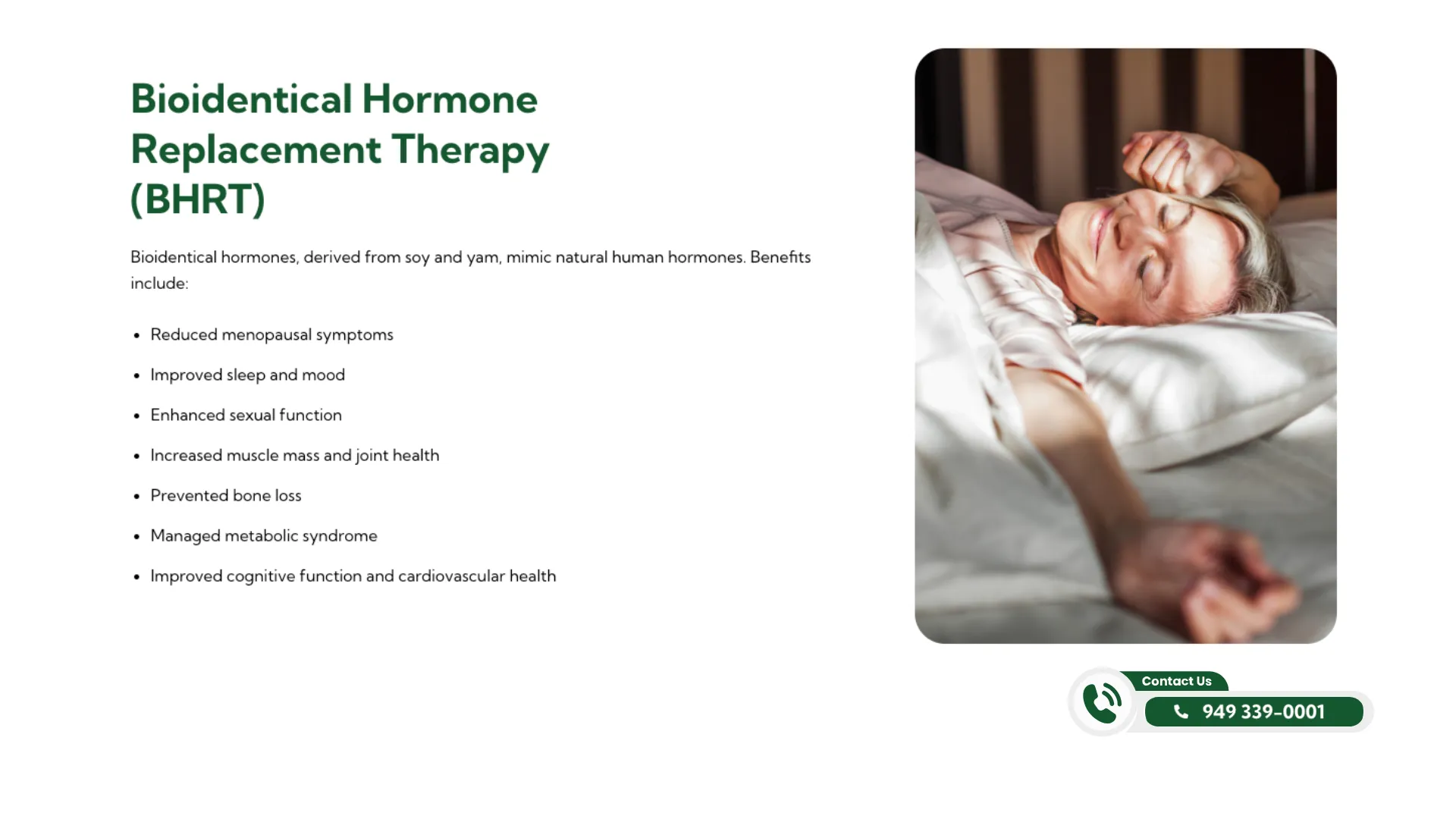
Bioidentical hormone therapy – Uses plant-based hormones that closely resemble the body’s natural hormones, offering a more natural approach to treatment.
To determine the best type of therapy for your needs, schedule a consultation with Dr. Rasha El Naggar at Etara Wellness.
What is hormone replacement therapy (HRT)?
Hormone replacement therapy (HRT) is a specific type of hormone therapy designed to replenish declining hormone levels, primarily in menopausal women. It typically involves estrogen, progesterone, or a combination of both to alleviate symptoms such as night sweats, mood swings, weight changes, and decreased bone density. HRT can also be customized using bioidentical hormones for a more natural and body-compatible solution. While HRT offers significant benefits, it’s essential to have a thorough health evaluation before starting treatment. Dr. Rasha El Naggar can help you understand the risks and benefits, ensuring a treatment plan that aligns with your health needs.
How does hormone therapy work?
Hormone therapy works by supplementing or regulating specific hormones to restore balance. Whether through pills, patches, creams, injections, or bioidentical hormones, the goal is to correct deficiencies or excesses in estrogen, testosterone, progesterone, cortisol, or thyroid hormones. For example:
Estrogen and progesterone therapy help manage menopause symptoms and menstrual irregularities.
Testosterone therapy improves libido, muscle strength, and energy levels in men and women.
Thyroid hormone therapy stabilizes metabolism, preventing weight gain or excessive fatigue.
Cortisol-balancing therapy reduces anxiety and enhances the body’s stress response.
Since hormone therapy affects multiple aspects of health, a personalized approach is essential. Consulting Dr. Rasha El Naggar at Etara Wellness ensures that you receive the safest and most effective hormone therapy based on your individual needs.
Does Vitamin D Increase Estrogen?
While Vitamin D is crucial for overall health and plays a role in various bodily functions, including bone health and immune function, the direct relationship between Vitamin D and estrogen levels is complex and not fully understood. Some studies suggest Vitamin D may influence estrogen production, while others show no significant impact. Vitamin D is essential for the body and can help with hormone production and balance.
Consult a healthcare professional if you’re concerned about your estrogen levels or overall hormonal balance. Dr. Rasha El Naggar at Etara Wellness can provide personalized guidance and assess your specific needs through comprehensive testing and evaluation. Addressing the root cause of any hormonal imbalance is essential rather than relying solely on vitamin supplementation.
Is Hormone Therapy Safe?
The safety of hormone therapy is a frequently asked question and depends heavily on individual factors, the type of hormone therapy used, dosage, and duration of treatment. Hormone therapy, particularly for managing menopause symptoms, has been extensively studied. However, it’s crucial to understand both the potential benefits and risks.
Risks: Some studies have linked certain types of hormone therapy to an increased risk of blood clots, stroke, and certain cancers. These risks can vary depending on the specific hormones used (estrogen alone vs. estrogen combined with progesterone), the route of administration (oral, transdermal, etc.), and individual health history.
Benefits: Hormone therapy can effectively alleviate symptoms of menopause, such as hot flashes, sleep disturbances, mood swings, and vaginal dryness. It can also help prevent bone loss and reduce the risk of osteoporosis.
Bioidentical hormones are often touted as a “natural” alternative, but it’s important to note that they still carry potential risks and benefits. The key to safe hormone therapy is personalized assessment and management. Dr. Rasha El Naggar at Etara Wellness specializes in tailoring hormone therapy to your unique needs and health profile. She can thoroughly evaluate your hormonal imbalance, considering factors like estrogen, progesterone, testosterone, thyroid function, cortisol levels, and overall metabolism, to determine the most appropriate and safe course of treatment.
What Age is Too Late for Estrogen (Hormone Therapy)?
There isn’t a definitive age that’s “too late” for hormone therapy, but the decision becomes more complex with increasing age. Starting hormone therapy closer to the onset of menopause generally carries a more favorable risk-benefit profile. Initiating hormone therapy many years after menopause may increase the risk of certain complications.
The “timing hypothesis” suggests that hormone therapy is most beneficial when started within a few years of menopause. It can effectively manage symptoms and offer cardiovascular and bone health benefits in this window. Beginning hormone therapy later in life may not provide the same level of protection and could pose more significant risks.
However, even for women who are further past menopause, hormone therapy might still be an option in some instances, particularly for managing specific symptoms like vaginal dryness or recurrent urinary tract infections. The decision should be made individually, considering overall health, risk factors, and treatment goals. Dr. Rasha El Naggar at Etara Wellness can provide a comprehensive evaluation and discuss the potential risks and benefits of hormone therapy based on your specific age and health status. She can also explore alternative approaches to managing hormonal imbalance, such as lifestyle modifications, nutritional support, and targeted therapies for conditions like PCOS, thyroid disorders, or adrenal fatigue.
What is hormone therapy?
Hormone therapy is a medical treatment that involves replacing or supplementing hormones to restore balance in the body. It can address conditions where hormone levels are too low or imbalanced. Depending on individual needs, the treatment may involve different hormones, including estrogen, testosterone, progesterone, or thyroid hormones. Before starting any hormone therapy, it’s essential to consult with a qualified healthcare provider like Dr. Rasha El Naggar at Etara Wellness, who can properly evaluate your hormonal imbalance and create a personalized treatment plan.
What does hormone therapy do?
Hormone therapy works by either replacing diminished hormone levels or blocking certain hormones’ effects in the body. It can help manage various conditions and symptoms, including:
Relief from menopausal symptoms like hot flashes and night sweats
Improvement in mood swings and anxiety
Better sleep quality and reduced fatigue
Enhanced libido and sexual function
Regulation of menstrual cycles
Support for healthy bone density
Improved metabolism and weight management
Better cognitive function and mental clarity
What are the side effects of hormone therapy?
While hormone therapy can be highly effective, it’s essential to understand potential side effects, which is why medical supervision by an experienced professional like Dr. Rasha El Naggar is crucial. Common side effects may include:
Breast tenderness
Headaches
Mood changes
Fluid retention
Changes in weight
Nausea
More serious side effects can occur in some cases, which is why proper medical monitoring is essential. Dr. El Naggar carefully evaluates each patient’s medical history and risk factors to ensure safe and effective treatment.
What is hormone treatment for men?
Hormone therapy for men typically focuses on testosterone replacement when levels are abnormally low. It can help address:
Decreased libido
Fatigue and low energy
Muscle mass loss
Mood changes
Sleep disturbances
Metabolic issues
Treatment options include injections, gels, patches, or implants, but should only be pursued under proper medical supervision with regular monitoring.
Who needs hormone therapy?
Hormone therapy may be beneficial for individuals experiencing:
Menopausal symptoms
Thyroid disorders
PCOS (Polycystic Ovary Syndrome)
Low testosterone in men
Significant fatigue and energy issues
Unexplained weight changes
Persistent mood disorders
Sleep problems
Fertility challenges
However, hormone therapy isn’t suitable for everyone. It’s essential to have a thorough evaluation with a qualified healthcare provider like Dr. Rasha El Naggar at Etara Wellness to determine if hormone therapy is appropriate for your specific situation. Each treatment plan should be personalized based on individual symptoms, medical history, and specific hormonal imbalances.
Does estrogen cause weight gain?
Weight changes during hormone therapy are complex and vary from person to person. While some people may experience weight fluctuations when beginning estrogen therapy, these changes are often temporary and related to fluid retention rather than fat gain. Hormonal imbalances involving estrogen, progesterone, and thyroid hormones can affect metabolism and how your body stores fat. However, with proper medical supervision and lifestyle adjustments, weight can be effectively managed during hormone therapy. Dr. Rasha El Naggar at Etara Wellness can create a personalized treatment plan that helps maintain a healthy weight while addressing your hormonal needs.
Is hormone therapy expensive?
The cost of hormone therapy varies depending on several factors, including the type of treatment, insurance coverage, and specific hormonal requirements. Treatment options range from traditional hormone replacement to bioidentical hormones, each with different cost implications. While considering the financial aspect is important, investing in properly supervised hormone therapy can prevent more costly health issues in the future. At Etara Wellness, Dr. Rasha El Naggar works with patients to find the most appropriate and cost-effective treatment options for their specific situation. We recommend consulting with our office to discuss payment plans and insurance coverage options.
Can I take estrogen to look more feminine?
Feminizing hormone therapy can indeed help develop feminine physical characteristics, but it’s a complex medical treatment that requires careful supervision. The therapy may affect fat distribution, skin texture, and breast development. However, it’s crucial to understand that hormone therapy isn’t suitable for everyone and requires thorough medical evaluation. Various factors, including age, health status, and personal medical history, need to be considered. Dr. Rasha El Naggar at Etara Wellness specializes in providing safe and effective hormone therapy treatments, considering each patient’s unique needs and goals. A comprehensive consultation is essential before starting any hormone treatment to ensure it’s both safe and appropriate for you.
Is hormone therapy painful?
Most hormone therapy treatments cause minimal to no physical pain. The administration method varies – some treatments involve oral medications, while others may use patches, creams, or injections. While injections might cause brief discomfort, they’re typically well-tolerated. Some patients may experience temporary side effects as their body adjusts to treatment, such as mood swings, sleep disturbances, or changes in libido. However, these effects can be effectively managed under proper medical supervision. Dr. Rasha El Naggar at Etara Wellness prioritizes patient comfort and will work with you to find the most comfortable and effective treatment method for your needs.
Who should avoid hormone therapy?
While hormone therapy can be beneficial for many conditions, including menopause, PCOS, and various hormonal imbalances, specific individuals may need to avoid or modify treatment based on their medical history. People with the following conditions should consult carefully with their healthcare provider:
Those with a history of certain types of cancer
Individuals with a high risk of blood clots
People with severe liver disease
Those with uncontrolled high blood pressure
Individuals with certain genetic conditions
Additionally, people experiencing unexplained vaginal bleeding, severe migraines, or specific heart conditions may need alternative treatments. Every person’s situation is unique, so a thorough evaluation with a qualified healthcare provider like Dr. Rasha El Naggar is essential. At Etara Wellness, we conduct comprehensive assessments that consider your complete medical history, current health status, family history, and specific symptoms such as fatigue, anxiety, depression, and fertility concerns before recommending any hormone therapy treatment.
Important Note: This information is provided for educational purposes only. Every individual’s hormone therapy needs are unique. Please schedule a consultation with Dr. Rasha El Naggar at Etara Wellness before starting any hormone therapy treatment. Our team will provide personalized care and guidance based on your health situation and goals.
Hear from Our Delighted Clients About Dr. Rasha El Naggar
At Etara Wellness, we’re proud to provide personalized, holistic healthcare that makes a real difference in our patients’ lives. Here’s what some of our patients have shared about their experiences with Dr. Rasha El Naggar:
“Dr. Rasha El Naggar is amazing. Her thoroughness in explaining everything and providing personalized supplement recommendations stood out. What impressed me most was her dedication to patient care – she even followed up the same day with recipes and additional information tailored to my health concerns. I will be returning for future care.” – Christine Assaf.
“Finding Dr. Rasha has been transformative for my healthcare journey. In a healthcare landscape where personal attention is increasingly rare, Dr. Rasha stands out for her genuine care and commitment to her patients. Her remarkable attention to detail matches her exceptional attentiveness and quick responsiveness. As someone who has experienced the limitations of modern healthcare in the United States, I can confidently say Dr. Rasha represents the kind of healthcare provider we all deserve – one who truly puts patients first.” – Chanel Gil.
“My journey with Dr. Rasha began after a misdiagnosis of Lupus when I was struggling with severe joint and bone pain, anxiety, and insomnia. Turning to her alternative treatment approach proved to be life-changing. Through her guidance, I implemented crucial changes to my eating habits, incorporated targeted supplements, and developed better discipline in my health routine. The results have been remarkable – my life has returned to almost normal and continues to improve daily. Dr. Rasha’s consultations are extraordinarily thorough and personalized, available both in-person and virtually. I wholeheartedly recommend Dr. Rasha to anyone seeking comprehensive, attentive healthcare.” – Laura Palma.
Conclusion
Recognizing the six key symptoms of hormonal imbalance is crucial for maintaining overall health and well-being. These symptoms, including persistent fatigue, unexplained weight changes, mood swings, sleep disturbances, low libido, and menstrual irregularities, can significantly impact quality of life and indicate the need for hormonetherapy.
Seeking professional help from a naturopathicdoctor at Etara Wellness can provide personalized solutions through bioidentical or traditional hormone therapies and natural approaches to support hormonal health. By addressing these symptoms promptly and effectively, individuals can take control of their hormonal health and experience improved vitality and balance in their lives.
Disclaimer: This content is for educational purposes only and not intended as medical advice. Consult a healthcare professional for any medical concerns.
—————————————————————————————————————————————–
Dr. Rasha El Naggar, MD, Ms.Biotech, ND – Founder of Etara Wellness
Dr. Rasha El Naggar is a distinguished Naturopathic Doctor, who melds rigorous scientific training with a holistic approach to wellness. Her academic journey commenced at Ain Shams University, Egypt, where she was awarded her MD, followed by an MS in Biotechnology from Johns Hopkins University. Dr. El Naggar further honed her expertise in naturopathic medicine at Bastyr University, San Diego, embodying a profound commitment to integrative health practices.
Based in Orange County, California, Dr. El Naggar is renowned for her personalized care in hormonal regulation, weight management, gut health, mental well-being, and regenerative medicine. Her health challenges catalyzed her passion for naturopathy, fostering a deep empathy and a holistic methodology in patient care.
As the visionary behind Etara Wellness, Dr. El Naggar integrates ancient healing traditions with contemporary scientific evidence. Her mission is to empower individuals to achieve balance, vitality, and optimal health. Dr. El Naggar’s professional narrative is characterized by resilience, innovation, and a relentless pursuit of wellness, making her a vanguard in naturopathic medicine.
Why is the thyroid gland so crucial to our health, and what happens when it doesn’t function correctly? These are questions that often go unanswered in our daily lives. Guided by the expertise of Dr. Rasha El Naggar from Etara Wellness, this blog aims to demystify the thyroid – a small gland with a significant impact on our overall well-being.
From understanding its basic functions to recognizing the signs of dysfunction, we’ll delve into everything you need to know about thyroid health.
What is the Thyroid?
The thyroid gland, a small butterfly-shaped organ nestled at the front of the neck, is a powerhouse of activity vital to our overall health. Its influence extends far beyond its size, impacting numerous bodily functions that are essential for our well-being.
Comprehensive Functions of the Thyroid Gland
Hormonal Production and Regulation – The thyroid produces thyroxine (T4) and triiodothyronine (T3), hormones crucial for regulating the body’s metabolic rate, heart rate, temperature, and energy levels.
Metabolic Mastery – Acting as the body’s thermostat, it meticulously regulates metabolism, thereby influencing weight management, energy expenditure, and temperature control.
Protein Synthesis – It plays a significant role in protein synthesis, which is fundamental for the growth, repair, and maintenance of various tissues in the body.
Carbohydrate and Fat Metabolism – The thyroid hormones directly affect how the body metabolizes carbohydrates and fats, impacting weight and energy levels.
Neurological Influence – From brain development in infants and children to cognitive functioning in adults, the thyroid hormones are integral to a healthy nervous system.
Cholesterol Management – By regulating cholesterol levels, the thyroid contributes to heart health and the prevention of related diseases.
Reproductive Health – Particularly in women, thyroid hormones influence menstrual cycles, fertility, and overall reproductive health.
Endocrine Interaction – The thyroid works in harmony with other endocrine glands, particularly the pituitary gland, ensuring a balanced hormonal environment in the body.
The thyroid’s myriad functions make it a critical component of our body’s endocrine system. Its proper functioning is essential for maintaining balance and health across various physiological aspects. Dr. Rasha El Naggar emphasizes the importance of understanding and maintaining thyroid health as a cornerstone of overall wellness.
What is Thyroid disease?
Thyroid disease refers to a spectrum of disorders that affect the thyroid gland’s ability to function correctly. This small, butterfly-shaped gland in the neck plays a crucial role in regulating the body’s metabolism through the production of hormones. When these hormone levels are imbalanced, it leads to thyroid disease.
Thyroid diseases primarily manifest in two forms based on hormone production –
Hyperthyroidism – This is the condition where the thyroid is overactive, producing excess thyroid hormones. As a result, the body’s metabolism accelerates abnormally. Symptoms include rapid heart rate, weight loss, heightened energy consumption, and feelings of anxiety or nervousness.
Hypothyroidism – In contrast, hypothyroidism occurs when the thyroid gland is underactive, leading to insufficient production of thyroid hormones. This slowdown in metabolic processes can cause fatigue, weight gain, and a decreased ability to tolerate cold temperatures.
Causes of Thyroid Disease
Thyroid disease can arise from various conditions, each affecting the gland’s functionality differently –
Thyroiditis – This refers to the inflammation of the thyroid gland, which can lower hormone production. It can be a temporary condition or part of a chronic issue, impacting thyroid function significantly.
Iodine Deficiency – Iodine is a critical element used by the thyroid to produce hormones. An iodine deficiency can severely impact hormone production.
Hashimoto’s Thyroiditis – A common cause of hypothyroidism, this autoimmune disorder leads the body’s immune system to attack the thyroid gland, gradually impairing its ability to produce hormones.
Postpartum Thyroiditis – Some women experience thyroiditis after childbirth, which can be a temporary condition affecting hormone levels.
For hyperthyroidism, some common causes include –
Graves’ Disease – This autoimmune disorder results in the overproduction of thyroid hormones, affecting the entire thyroid gland.
Thyroid Nodules – Overactive nodules within the thyroid can independently produce thyroid hormones, leading to an excess.
Excessive Iodine – An overload of iodine in the body, possibly due to certain medications or dietary sources, can cause the thyroid to produce too many hormones.
Thyroid disease is a common health issue, affecting millions globally. It can occur in individuals of any age, gender, or ethnic background, though it is more prevalent in women, particularly after menopause. Risk factors include a family history of thyroid disease, certain autoimmune conditions, high iodine medication usage, being over 60, especially for women, and prior thyroid treatments or thyroid cancer.
Recognizing the Symptoms of Thyroid Disease
Thyroid disease can be challenging to diagnose due to its varied symptoms, which often mimic other conditions. It’s essential to understand these symptoms, categorized into those associated with hyperthyroidism (overactive thyroid) and hypothyroidism (underactive thyroid).
Symptoms of Hyperthyroidism (Overactive Thyroid)
When the thyroid gland produces too much thyroid hormone, it leads to hyperthyroidism. The symptoms associated with this condition include-
The diagnosis of thyroid disorders is a multifaceted process that involves a range of tests and assessments. These may include clinical evaluation, physical examination, blood tests to measure hormone levels, imaging studies like ultrasounds, and specialized tests such as radioactive iodine uptake (RAIU). Accurate diagnosis is essential for tailoring effective treatment plans.
At Etara Wellness, Dr. Rasha El Naggar and her team are committed to guiding individuals through this comprehensive diagnostic journey, ensuring precise and personalized thyroid care.
Treatment for Thyroid Disorders
The treatment of thyroid disorders aims to restore hormonal balance and manage symptoms. Here are the key approaches to managing thyroid disease –
Medication – Hormone replacement therapy (e.g., levothyroxine) for hypothyroidism and antithyroid drugs for hyperthyroidism.
Radioactive Iodine (RAI) Therapy – Recommended for reducing thyroid gland activity in hyperthyroidism or thyroid cancer cases.
Surgery (Thyroidectomy) – Removal of part or all of the thyroid gland, suitable for large goiters, thyroid cancer, or treatment-resistant cases.
Supportive Measures – Lifestyle modifications, including dietary adjustments, stress management, and regular check-ups, enhance thyroid health. Dietary supplements and complementary therapies can be considered under healthcare provider guidance.
Thyroid-Friendly Diet
A well-balanced diet plays a crucial role in supporting thyroid health. Here are dietary guidelines to consider for optimal thyroid function –
Iodine-rich foods – Incorporate iodine sources like iodized salt, seafood, seaweed, and dairy products, as iodine is essential for thyroid hormone production.
Selenium Sources – Include selenium-rich foods such as Brazil nuts, organic liver, and cold-water fish, as selenium helps regulate thyroid hormones.
Protein – Consume lean proteins like grass-fed meats, free-range chicken, wild-caught seafood, and beans to support thyroid function.
Dark Leafy Greens – Incorporate greens like spinach and kale, as they provide magnesium essential for thyroid health.
Vitamin B12 – Ensure an adequate intake of grass-fed meats, free-range chicken and eggs, and wild-caught seafood for sufficient vitamin B12.
Caffeine Control – Limit caffeine consumption, as it can hinder thyroid hormone absorption, especially if you have hypothyroidism.
Sugar Moderation – Reduce excess sugar consumption, which can interfere with the T4 conversion necessary for thyroid function.
Alcohol in Moderation – If you have an underactive thyroid, consider minimizing alcohol intake, as it can suppress thyroid hormone production.
Conclusion
In conclusion, optimizing thyroid health requires a comprehensive approach. With the expert guidance of Dr. Rasha El Naggar, you can take proactive steps towards a healthier thyroid. Schedule a consultation with Dr. Rasha to begin your journey towards improved thyroid well-being.