Are you struggling with bloating, irregular bowel movements, fatigue, or brain fog? These may be signs that your gut health is compromised. We understand how frustrating it is to deal with persistent digestive issues that affect your energy, immunity, and overall wellbeing. At Etara Wellness in Newport Beach, our naturopathic approach addresses the root causes of gut imbalance, helping you restore digestive wellness, vitality, and long-term health.
Dr. Rasha El Naggar, MD, ND, brings a unique combination of medical expertise and naturopathic training to provide effective gut health solutions. With years of experience in integrative medicine, she has helped numerous patients overcome chronic digestive issues. All our care plans and content are reviewed by Dr. Rasha El Naggar, ensuring medical accuracy and trustworthiness. At Etara Wellness, we combine clinical knowledge with holistic strategies to deliver safe, personalized, and effective gut health care.
The gut is central to your overall health, immunity, and energy. It houses the microbiome—a community of trillions of microorganisms influencing digestion, mood, immune function, and even hormonal balance. When gut health is compromised, it can lead to:
Dysbiosis: Imbalanced gut bacteria from antibiotics, diet, or stress
Leaky Gut Syndrome: Compromised intestinal barrier leading to inflammation
Chronic Stress: Increases cortisol, affecting digestion and microbiome
Nutritional Deficiencies: Lack of fiber, vitamins, or minerals
Medical Conditions: IBS, autoimmune diseases, thyroid dysfunction
Naturopathic Medicine Approach
Unlike conventional treatments that often target symptoms, naturopathic medicine identifies and addresses the root cause of gut issues. Techniques include:
A patient with chronic bloating and fatigue improved after probiotic supplementation and personalized nutrition, restoring energy and digestive comfort.
Another patient with IBS and inflammation benefited from IV nutrient therapy and stress management, leading to improved bowel regularity and reduced brain fog.
Tip: Always educate and use language like “may help support digestion” rather than promising a cure.
Supporting gut health involves simple, safe, and consistent lifestyle habits:
Balanced Diet: Include fiber-rich vegetables, fermented foods, and high-quality proteins
Hydration: Drink plenty of water to support digestion and detoxification
Stress Management: Yoga, meditation, or breathing exercises lower cortisol and support microbiome health
Sleep Hygiene: 7–9 hours nightly supports gut repair and immune function
Mindful Eating: Eat slowly, chew thoroughly, and avoid overeating
For a fully personalized gut health plan, schedule a consultation with our Naturopathic Doctor in Newport Beach.
At Etara Wellness, naturopathic medicine for gut health involves:
Comprehensive Assessment: Detailed history, functional lab testing, and symptom analysis
Personalized Care Plan: Nutrition, supplements, lifestyle modifications, and targeted therapies
IV Nutrient Therapy: Restores essential vitamins and minerals for optimal digestive and immune function
Continuous Support: Regular follow-ups to track progress and adjust treatment
Our root-cause approach ensures lasting improvements in digestion, energy, and immunity. By integrating holistic care with medical expertise, patients receive safe, effective, and individualized treatment.
Example Phrase: “Our naturopathic gut therapy helps patients restore digestive balance, reduce inflammation, and improve overall wellness.”
FAQs About Naturopathic Gut Health
Q1: What conditions can naturopathic gut care treat? A: IBS, leaky gut, food sensitivities, chronic digestive issues, and inflammation-related conditions.
Q2: Is naturopathic gut care safe? A: Yes. All treatments are personalized and medically supervised by Dr. Rasha El Naggar, MD, ND.
Q3: How long until I notice results? A: Many patients see improvement within 4–6 weeks, depending on severity and adherence to the plan.
Q4: Can IV therapy help gut health? A: Yes. IV nutrient therapy replenishes vitamins and minerals essential for gut repair and immune support.
Q5: Do I need long-term supplements? A: Supplementation is tailored to your needs and adjusted based on lab results and progress.
Take Charge of Your Gut Health Today
Don’t ignore digestive discomfort. At Etara Wellness in Newport Beach, Dr. Rasha El Naggar, MD, ND, provides personalized naturopathic care to restore gut health, reduce inflammation, and enhance energy.
Book your consultation today to begin a scientifically guided, medically supervised journey toward optimal digestive wellness. Let us help you regain balance, vitality, and confidence in your health.
Do you feel unexplained fatigue, mood swings, weight fluctuations, or disrupted sleep?
These are often signs that your hormones are out of balance. We understand how frustrating and overwhelming it can feel when your body seems out of sync, despite healthy habits. At Etara Wellness in Newport Beach, our naturopathic approach helps identify the root causes of hormonal imbalance, guiding you toward natural, lasting solutions that restore energy, mental clarity, and overall wellbeing.
Dr. Rasha El Naggar, MD, ND, combines traditional medical training with naturopathic expertise to provide comprehensive hormonal care. With years of experience in integrative medicine, she has helped countless patients regain balance and vitality. All content and recommendations are reviewed by Dr. Rasha El Naggar, ensuring medically accurate and safe guidance. By combining clinical knowledge with a holistic perspective, Etara Wellness offers a trustworthy, patient-centered approach to addressing hormonal concerns.
Hormones are chemical messengers that regulate key body functions, including metabolism, mood, reproductive health, and energy levels. When hormone levels fluctuate or become imbalanced, it can manifest in a variety of symptoms.
Common Signs of Hormonal Imbalance
Fatigue and low energy: Feeling constantly tired despite adequate sleep
Mood swings or anxiety: Emotional instability or irritability
Weight fluctuations: Sudden weight gain or difficulty losing weight
Sleep disturbances: Insomnia or poor sleep quality
Hair and skin changes: Hair thinning, acne, dry skin
Root Causes
Hormonal imbalance may result from:
Stress: Chronic stress increases cortisol, affecting thyroid and reproductive hormones
Nutrient deficiencies: Low vitamin D, magnesium, or B-complex can disrupt hormone production
Poor sleep patterns: Sleep regulates cortisol, insulin, and melatonin
Lifestyle factors: Sedentary habits, processed foods, and alcohol can alter hormone balance
Medical conditions: Thyroid disorders, PCOS, or menopause
Clinical Examples / Scenarios:
A patient experiencing fatigue, sugar cravings, and irregular cycles was found to have adrenal fatigue. Targeted lab testing and a customized supplement and lifestyle plan restored hormonal balance within weeks.
Another patient with hair thinning and insomnia benefited from thyroid-focused naturopathic care, including nutrition optimization, stress management, and hormone-supportive IV therapy.
Tip: Always educate users without promising a cure.
Example: “A balanced diet, regular sleep, and stress management may help support healthy hormone levels.”
Addressing hormonal imbalance often requires small, consistent lifestyle adjustments.
Balanced nutrition: Include whole foods rich in fiber, healthy fats, and protein to support hormone production
Regular exercise: Moderate aerobic activity and strength training improve insulin sensitivity and cortisol balance
Stress reduction: Meditation, deep breathing, or yoga can help lower cortisol
Hydration: Adequate water intake is essential for optimal metabolic function
For personalized guidance, schedule a consultation with our Naturopathic Doctor in Newport Beach to develop a plan tailored to your unique hormonal profile.
At Etara Wellness, we use a comprehensive, root-cause approach to treat hormonal imbalance:
Our approach integrates holistic naturopathic care with medical expertise, ensuring each patient receives safe, effective, and personalized solutions.
FAQs About Hormonal Imbalance
Q1: What are the common signs of hormonal imbalance? A: Fatigue, mood swings, sleep disturbances, weight changes, hair or skin issues may indicate hormonal imbalance.
Q2: How can a naturopathic doctor help? A: By identifying root causes, recommending lifestyle modifications, nutrition, supplements, and targeted therapies.
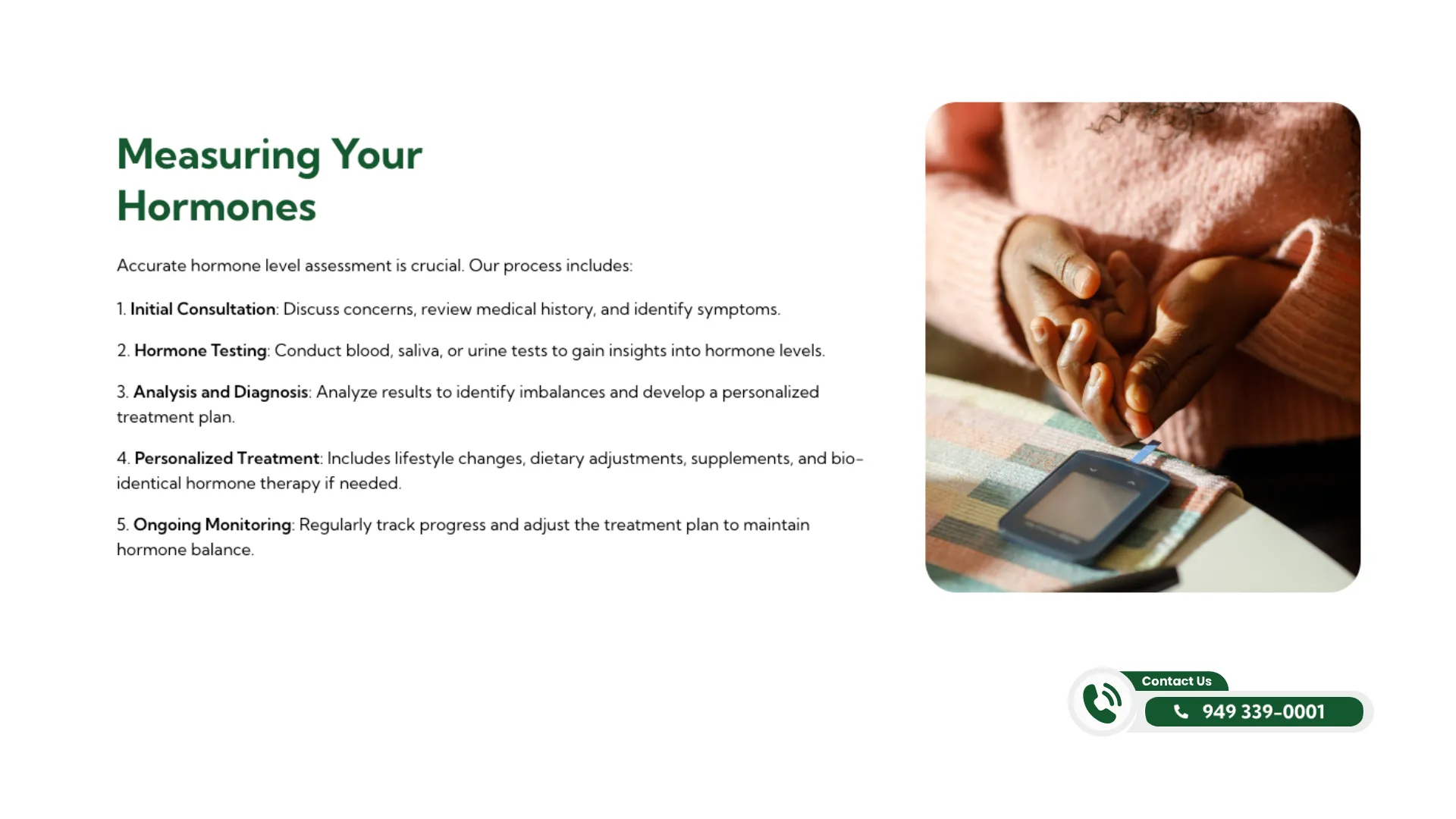
Q3: Is lab testing necessary? A: Functional lab testing provides critical insight into hormone levels and imbalances, helping create a personalized plan.
Q4: Can IV therapy support hormone balance? A: Yes. Nutrient-rich IV therapy can help restore vitamins and minerals essential for hormone production.
Q5: How long until improvements are noticed? A: Many patients see noticeable changes within 4–6 weeks, depending on severity and adherence.
Take Control of Your Hormonal Health Today
Don’t ignore the signs of hormonal imbalance. At Etara Wellness in Newport Beach, Dr. Rasha El Naggar, MD, ND, provides personalized, medically supervised naturopathic care to restore balance and vitality.
Book your consultation today to start your journey toward better energy, improved mood, and overall wellbeing. Let us help you achieve lasting hormonal balancesafely and effectively.
Your gut is more than just a digestive organ—it’s a central hub that impacts your overall health, immunity, energy, and even mental clarity. Digestive discomfort, bloating, irregular bowel movements, and fatigue are often signs of an imbalanced gut. For many, these issues can significantly affect daily life, productivity, and overall wellbeing.
At Etara Wellness, led by Dr. Rasha El Naggar, MD, ND, we specialize in personalized naturopathic care for gut health. Our mission is to address the root causes of digestive issues rather than just treating symptoms. Through a combination of functional lab testing, dietary guidance, and advanced therapies, we help patients restore balance, improve digestion, and regain vitality.
Whether you’re struggling with IBS, leaky gut, or chronic digestive disturbances, our team provides safe, effective, and holistic solutions tailored to your unique needs.
What is Gut Health and Why It Matters
Gut health refers to the balance and function of your digestive system, including the stomach, intestines, and gut microbiome—the trillions of microorganisms that influence digestion, immunity, and even mood. A healthy gut promotes:
Efficient digestion and nutrient absorption
Strong immune system
Reduced inflammation
Balanced mood and mental clarity
Conversely, an imbalanced gut can lead to bloating, diarrhea, constipation, fatigue, skin issues, and even hormonal imbalance. At Etara Wellness, we focus on identifying underlying causes such as:
Dysbiosis (imbalanced gut bacteria)
Food sensitivities or allergies
Chronic stress
Poor nutrition
Infections or inflammation
By restoring gut balance, patients experience long-term wellness improvements that extend beyond digestion to overall vitality and quality of life.
Who Can Benefit from Naturopathic Gut Health Care?
Naturopathic gut health care is ideal for those already seeking treatment and struggling with chronic digestive or immune issues. Common patient profiles include:
Individuals with IBS (Irritable Bowel Syndrome)
People experiencing leaky gut symptoms such as fatigue, brain fog, or food sensitivities
Patients with autoimmune conditions or chronic inflammation
Those looking for personalized, root-cause treatment rather than generic medications
By combining functional lab testing, personalized nutrition, and holistic therapy, we can identify hidden imbalances and provide targeted solutions. Unlike generic advice, our approach is scientifically grounded and tailored to your body, ensuring maximum benefit and lasting results.
The Naturopathic Approach to Gut Health
At Etara Wellness, our naturopathic approach addresses the root cause of gut imbalance, rather than simply managing symptoms. Our protocol includes:
1. Comprehensive Assessment
Detailed health history and symptom review
Functional lab testing for gut microbiome, inflammation, and nutrient deficiencies
Identification of food sensitivities and intolerances
2. Personalized Treatment Plan
Based on assessment results, we create a customized plan incorporating:
Targeted detoxification protocols to reduce inflammation and restore gut barrier integrity
Holistic modalities to support mental and physical wellness
4. Continuous Monitoring & Support
Regular follow-ups to track progress
Adjustments to protocols as needed
Education and empowerment to maintain gut health long-term
Success Story: One patient suffering from chronic bloating and fatigue saw remarkable improvement within six weeks. Through functional testing and a personalized gut protocol—including IV therapy and targeted supplementation—she regained energy, improved digestion, and restored daily comfort.
Credentials & Recognition: Dr. Rasha El Naggar, MD, ND, combines medical expertise with naturopathic principles. Recognized for excellence in integrative medicine, she brings years of experience in digestive health and patient-centered care.
Signs of an Imbalanced Gut
Common indicators that your gut may need support include:
Recognizing these signs early is critical. At Etara Wellness, we use advanced diagnostic tools to pinpoint exact imbalances and develop a precise, personalized intervention.
Lifestyle & Dietary Strategies to Support Gut Health
Alongside naturopathic treatment, lifestyle adjustments can significantly enhance results:
Balanced diet: Include fiber-rich foods, fermented foods, and anti-inflammatory nutrients
Hydration: Adequate water supports digestion and nutrient absorption
Stress management: Yoga, meditation, or gentle exercise reduces gut inflammation
Sleep hygiene: Consistent quality sleep supports microbiome health
Mindful eating: Chewing food thoroughly and eating slowly improves digestion
By following these strategies, patients experience accelerated improvement in energy, digestion, and immune resilience.
FAQs About Gut Health and Naturopathic Care
Q1: What conditions can a naturopathic gut health doctor treat? A: IBS, leaky gut, food sensitivities, chronic digestive issues, autoimmune-related gut imbalance.
Q2: Is gut health treatment safe? A: Yes. All protocols at Etara Wellness are medically supervised and personalized to individual needs.
Q3: How long does it take to notice improvements? A: Many patients see changes within 4–6 weeks, depending on the severity and adherence to the plan.
Q4: Can IV therapy help with gut health? A: Yes. Targeted IV nutrient therapy can rapidly replenish essential vitamins and minerals that support digestion and gut barrier integrity.
Q5: Will I need long-term supplements? A: Supplement plans are individualized and adjusted based on functional testing and ongoing results.
Conclusion & Call to Action
Restore Your Gut Health Today with Etara Wellness
A balanced gut is essential for energy, immunity, and overall wellness. At Etara Wellness in Newport Beach, we provide personalized, evidence-based naturopathic care to help you regain digestive balance, reduce inflammation, and enhance vitality.
Book your consultation today with Dr. Rasha El Naggar, MD, ND, and start your journey toward optimal gut health. Experience the difference of root-cause medicine combined with holistic, medically supervised care, tailored to your unique needs.
Are you constantly feeling fatigued, run-down, or struggling with low immunity? Modern life can take a toll on your body, leaving you feeling drained and vulnerable to illness. While traditional oral supplements can help, they often cannot provide immediate, potent results. This is where IV Therapy in Newport Beach comes in—an advanced, medically supervised approach that delivers essential nutrients directly into your bloodstream for maximum absorption and effectiveness.
At Etara Wellness, led by Dr. Rasha El Naggar, MD, ND, IV Therapy is integrated into a comprehensive naturopathic treatment plan tailored to your unique health needs. Our goal is to restore your vitality, strengthen your immune system, and enhance overall wellness safely and effectively.
What is IV Therapy?
Intravenous (IV) Therapy is a method of delivering vitamins, minerals, and other essential nutrients directly into the bloodstream, bypassing the digestive system. This ensures 100% bioavailability, meaning your body receives the full benefit of each nutrient. Unlike oral supplements, which may lose potency during digestion, IV Therapy provides rapid, noticeable results in energy, hydration, and immune function.
Our IV Therapy services at Etara Wellness are carefully customized for each patient. Depending on your health goals, we can administer nutrient combinations that target:
Fatigue and low energy levels
Immune system support
Hydration and electrolyte balance
Detoxification and cellular repair
Stress reduction and mental clarity
Each IV session is supervised by Dr. Rasha El Naggar, a board-certified naturopathic doctor with an MD background, ensuring medical safety while delivering holistic, root-cause focused care.
Who Can Benefit from IV Therapy?
IV Therapy is ideal for individuals who are already experiencing health concerns and want fast, effective support. At Etara Wellness, our patients typically include:
Professionals with high-stress lifestyles: Feeling drained, fatigued, or mentally foggy
Individuals with chronic health conditions: Low immunity, digestive challenges, or hormonal imbalance
Athletes and fitness enthusiasts: Needing enhanced hydration, recovery, and performance support
Patients seeking rapid nutrient replenishment: After illness, surgery, or intensive training
IV Therapy is not a replacement for medical treatment but works in synergy with naturopathic care, offering a scientifically grounded, personalized approach to wellness. By delivering nutrients directly to the bloodstream, we can accelerate recovery, optimize energy levels, and strengthen your body’s natural defenses.
How IV Therapy Works
IV Therapy involves a simple, safe, and medically supervised procedure:
Initial Consultation: Before any treatment, we evaluate your health history, current concerns, and wellness goals. This ensures your IV therapy plan is fully personalized.
Customized Nutrient Blend: Based on the consultation, we design a blend of vitamins, minerals, amino acids, and antioxidants tailored to your needs. Common ingredients include:
Administration: The IV is administered in a relaxing clinic environment under the supervision of Dr. Rasha El Naggar. Sessions typically last 30–60 minutes, during which patients often feel a gentle sense of rejuvenation.
Post-Treatment Care: After the session, patients are advised on hydration, nutrition, and lifestyle modifications to maximize benefits. Most patients report improved energy, mental clarity, and enhanced wellbeing within hours.
Safety Note: Every session follows strict medical protocols, ensuring minimal risk and maximum effectiveness.
The Science Behind IV Therapy
IV Therapy is backed by scientific research highlighting nutrient absorption, immune enhancement, and hydration efficiency. Unlike oral supplements, which may only absorb 20–50% of nutrients due to digestion and metabolism, IV administration delivers 100% of vitamins directly to the bloodstream, leading to faster and more effective results.
Studies have shown that high-dose vitamin C infusions can enhance immunity and antioxidant defenses, while B-complex vitamins support energy metabolism and reduce fatigue. Amino acids like glutamine and arginine aid cellular repair, detoxification, and recovery, making IV Therapy a versatile tool for addressing multiple wellness goals.
At Etara Wellness, every IV Therapy plan is evidence-based, medically supervised, and tailored to each patient’s specific needs. This integration of naturopathic principles with modern science ensures patients receive maximum benefit safely.
Why Choose Etara Wellness for IV Therapy?
At Etara Wellness, our approach to IV Therapy is unique because it combines medical expertise with holistic care:
Board-Certified Expertise: Led by Dr. Rasha El Naggar, MD, ND, with years of experience in integrative medicine.
Personalized Care: Each IV blend is customized to your health profile, lab results, and wellness goals.
Root Cause Focus: We don’t just treat symptoms; we address the underlying issues affecting your energy, immunity, and overall health.
Comfortable & Safe Environment: Our Newport Beach clinic provides a relaxing, professional setting for IV sessions.
Proven Results: Patients report noticeable improvements in energy, hydration, mood, and immune resilience after just a few sessions.
Success Story: One patient struggling with chronic fatigue and frequent colds saw remarkable improvement after a series of tailored IV Therapy sessions. Within weeks, her energy levels stabilized, her immune system strengthened, and she regained clarity and focus for work and daily life.
Award Recognition: Dr. Rasha El Naggar has been recognized for excellence in integrative medicine and is highly regarded in the Newport Beach wellness community.
FAQs About IV Therapy
Q1: Is IV Therapy safe? A: Yes. All sessions at Etara Wellness are supervised by a board-certified MD & ND with strict adherence to medical protocols.
Q2: How long does a session take? A: Typically 30–60 minutes depending on the customized blend.
Q3: How soon will I feel results? A: Most patients notice increased energy, improved hydration, and mental clarity within hours.
Q4: Can IV Therapy replace oral supplements? A: IV Therapy is a complement, not a replacement, enhancing nutrient absorption and effectiveness.
Q5: How many sessions do I need? A: The number depends on individual goals; Dr. Rasha El Naggar recommends a personalized plan based on your needs.
Lifestyle Tips to Maximize IV Therapy Benefits
Stay hydrated before and after your session
Maintain a balanced diet rich in whole foods
Prioritize sleep to support recovery and cellular repair
Manage stress through mindfulness or gentle exercise
Follow Dr. Rasha El Naggar’s personalized recommendations
By combining IV Therapy with these lifestyle habits, patients experience long-term health improvement beyond immediate results.
Conclusion & Call to Action
Ready to Restore Your Energy and Immunity? IV Therapy in Newport Beach at Etara Wellness offers a scientifically backed, medically supervised, and personalized approach to wellness. Whether you’re struggling with fatigue, low immunity, or just want to optimize your health, our team is here to guide you.
Book your appointment today and take the first step toward enhanced energy, immune support, and overall vitality. Experience the unique combination of medical expertise and holistic care that sets Etara Wellness apart.
Hormonal imbalances can significantly impact your health and well-being. Are you experiencing unexplained weight gain, mood swings, or fatigue? These could be signs that your hormones are out of balance.
This article will explore six key symptoms that may indicate a need for hormonetherapy, explain how this treatment can help restore balance, and guide you in determining if it’s the right choice for you. By understanding these signs, you can take proactive steps towards better health with the help of a qualified physician.
Key Takeaways for the 6 Symptoms Indicating You Might Need Hormone Therapy
Understanding Hormones: Hormones are essential chemical messengers that regulate bodily functions, and their imbalance can lead to significant health issues.
Primary Symptoms: The six key symptoms indicating a need for hormone therapy are persistent fatigue, unexplained weight changes, mood swings/anxiety/depression, sleep disturbances, low libido, and irregular menstrual cycles.
Gender Impact: Both men and women can experience hormonal imbalances, with aging, stress, and medical procedures being common causes.
Treatment Options: Hormone therapy options include both bioidentical hormones (chemically identical to body-produced ones) and traditional synthetic hormones.
Natural Solutions: Natural approaches to hormonal health, including exercise, dietary changes, and stress reduction techniques, can complement traditional hormone therapy.
Monitoring Requirements: Regular blood tests and ongoing communication with healthcare providers are essential for successful hormone therapy outcomes.
Liver Function: The liver plays a crucial role in hormone metabolism, making it an essential factor in overall hormonal health.
Health Effects: Hormonal imbalances affect various aspects of health, from bone density and muscle mass to emotional well-being.
Professional Guidance: Consulting a naturopathic doctor is crucial for correctly diagnosing and developing a personalized treatment plan.
Personalized Treatment: Hormone therapy plans should be tailored to individual needs and may require adjustments over time as the body’s hormonal balance shifts.
Risk Assessment: Before starting hormone therapy, patients should thoroughly discuss potential risks, side effects, and treatment duration.
Comprehensive Approach: A complete hormone therapy plan should include lifestyle modifications, nutritional guidance, and regular monitoring of hormone levels.
Understanding Hormonal Imbalance and Its Impact
Hormones are essential chemical messengers that regulate various bodily functions. Hormonal imbalances can significantly impact overall health, leading to symptoms like hair loss, depression, and feminizing effects in men. Common causes include aging, stress, and medical procedures such as hysterectomy. Understanding hormone receptors and their role is crucial for effectively diagnosing and treating hormonal disorders.
What Are Hormones and Why Are They Important?
Hormones are chemical messengers produced by endocrine glands that regulate various bodily functions. These powerful molecules, including estrogen, testosterone, and dihydrotestosterone, interact with specific cell receptors to control growth, metabolism, and reproduction processes. Hormones are crucial in maintaining overall health and influence bone density, gender characteristics, and emotional well-being.
Hormone imbalances, which can lead to various health issues, make hormones crucial. For example, an excess of aromatase enzyme can convert testosterone to estrogen, potentially causing feminizing effects in men. Conversely, insufficient estrogenreceptor activity may result in bone loss and increased fracture risk. Understanding the intricate balance of hormones is essential for effectively diagnosing and treating hormonal disorders.
How Hormonal Imbalances Affect Overall Health
Hormonal imbalances can significantly impact overall health and affect various bodily systems. Liver function, for instance, plays a crucial role in hormone metabolism, and disruptions can lead to imbalances. Information gathered from hormone tests can reveal issues related to prostate cancerrisk, tissuehealth, and progestogen levels.
These imbalances may manifest in diverse symptoms, ranging from mood swings to physical changes. For example, excessive progestogen levels can affect breasttissue, while low testosterone may impact musclemass and bone density. Understanding these intricate relationships is essential for accurate diagnosis and treatment:
Hormone
Function
Imbalance Effect
Testosterone
Muscle growth, bone density
Reduced muscle mass, osteoporosis
Estrogen
Reproductive health, bone strength
Mood swings, hot flashes
Progestogen
Menstrual cycle regulation
Irregular periods, breast tenderness
Common Causes of Hormonal Imbalance in Men and Women
Hormonal imbalances in men and women can stem from various factors, including aging, stress, and medical conditions. In men, an excess of aromatase enzyme can convert testosterone to estrogen, potentially leading to feminizing effects and increased prostate cancerrisk. Women may experience hormonal shifts due to menopause, pregnancy, or conditions affecting the abdomen, such as polycystic ovary syndrome.
Medical interventions can also disrupt hormonal balance. Certain medications, including aromatase inhibitors used in cancer treatment, may cause hormonal fluctuations and associated side effects like joint pain or irritation. Recent advancements, such as the development of fezolinetant for managing menopausal symptoms, highlight ongoing efforts to address hormonal imbalances and their impact on overall health.
6 Key Symptoms That Indicate You May Need Hormone Therapy
Hormonetherapy may be necessary when individuals experience persistent symptoms affecting their quality of life. Key indicators include fatigue, unexplained weight changes, mood swings, sleep disturbances, reduced libido, and menstrual irregularities. These symptoms can impact various aspects of health, from childbirth to edema. Consulting a health professional is crucial for proper diagnosis and treatment, which may include alternative medicine or medications like leuprorelin.
1. Persistent Fatigue and Low Energy Levels
Persistent fatigue and low energy levels often signal a hormone imbalance, particularly in individuals experiencing significant life changes such as pregnancy or menopause. These symptoms can manifest as constant exhaustion, even after adequate rest. They may be accompanied by unexplained weight gain, especially fat accumulation in specific body areas.
Hormonal fluctuations can also lead to conditions like gynecomastia in men, where breasttissue enlarges due to an imbalance between estrogen and testosterone levels. In some cases, certain drugs or medical treatments may exacerbate fatigue and energy issues, making it crucial for individuals to consult with a healthcare professional to determine if hormonetherapy is necessary.
2. Unexplained Weight Gain or Difficulty Losing Weight
Unexplained weight gain or difficulty losing weight often indicates hormonal imbalances that may require hormonetherapy. Hormonal fluctuations can affect metabolism and fat distribution, leading to weight changes that are resistant to diet and exercise. Screening for hormone-related conditions, such as thyroid disorders or polycystic ovary syndrome, can help identify underlying causes.
Combination therapy approaches may be necessary to address weight issues stemming from hormonal imbalances. For instance, prostate cancertreatment can sometimes lead to weight gain as a side effect, requiring a tailored approach to hormone management. Certain types of intrauterine devices in women may influence weight by altering hormone levels, highlighting the importance of comprehensive hormonal evaluation in addressing unexplained weight changes.
3. Mood Swings, Anxiety, and Depression
Mood swings, anxiety, and depression can indicate hormonal imbalances that may require hormonetherapy. These emotional symptoms often result from fluctuations in estrogen, progesterone, and testosterone levels, which can affect neurotransmitter function in the brain. Hormone treatment, such as raloxifene for menopausal women, can help stabilize mood and reduce anxiety by targeting specific hormone receptors in cells.
Individuals with type 2 diabetes may experience mood disorders due to hormonal imbalances affecting insulin regulation. Comprehensive hormonetherapy, combined with proper insurance coverage for treatments, can address both metabolic and emotional symptoms. Healthcare providers may recommend blood tests to assess hormone levels and determine the most appropriate treatment plan for managing mood-related issues.
4. Sleep Disturbances and Insomnia
Sleep disturbances and insomnia often indicate hormonal imbalances that may require hormonetherapy. Fluctuations in estrogen levels can significantly impact sleep quality, particularly in women experiencing menopause or perimenopause. These changes can also affect libido and overall well-being, making it essential to address sleep issues as part of a comprehensive approach to hormonal health.
Men undergoing prostate cancerscreening or treatment may experience sleep disturbances due to hormonal changes. Cancer research has shown that hormonal therapies used in prostate cancertreatment can impact sleep patterns and quality. Additionally, hormonal imbalances affecting sperm production may contribute to sleep issues, highlighting the interconnected nature of reproductive health and sleep quality:
Hormonal fluctuations impact sleep cycles
Estrogen levels affect sleep quality
Prostate cancer treatments may cause sleep disturbances
Hormonal imbalances can affect both sleep and reproductive health
5. Low Libido and Sexual Health Changes
Low libido and sexual health changes often indicate hormonal imbalances that may require hormonetherapy. These issues can affect both men and women, impacting sexual intercourse and overall well-being. Hormonal fluctuations can lead to vaginal bleeding, hair loss, and other symptoms that may interfere with sexual function and desire.
In women, hormonal changes during pregnancy and menopause can significantly impact sexual health. Obstetrics professionals often address these concerns, as hormonal imbalances can affect both fertility and sexual function. Blood tests may be necessary to assess hormone levels and determine the most appropriate treatment plan. Common symptoms include:
Decreased libido or sex drive
Vaginal dryness or discomfort during intercourse
Irregular menstrual cycles or vaginal bleeding
Changes in sexual response or satisfaction
Hair loss or thinning
6. Irregular Menstrual Cycles or Menopause Symptoms
Irregular menstrual cycles or menopause symptoms often indicate hormonal imbalances that may require hormonetherapy. Healthcare providers assess these symptoms, including changes in skin texture, mood swings, and hot flashes. Women experiencing persistent irregularities or severe menopausal symptoms should consult their provider to discuss potential treatment options, including hormone replacement therapy.
In some cases, underlying conditions such as uterine fibroids or ovarian cysts may contribute to menstrual irregularities, necessitating further evaluation. Healthcare professionals may recommend diagnostic procedures, including ultrasounds or minimally invasive surgery, to rule out abnormal tissue masses. Hormonetherapy, when prescribed appropriately, can help alleviate symptoms and improve overall quality of life for women experiencing menstrual or menopausal issues.
How Hormone Therapy Can Help Restore Balance
Hormonetherapy offers practical solutions for restoring hormonal balance. This section explores bioidentical and traditional hormone therapies, natural approaches to hormonal health, and what patients can expect from a therapy plan. Evidence-based treatments address various symptoms, including gallbladder issues, insomnia, and memory problems. Understanding the options, such as buserelin, helps patients make informed decisions about their hormonal health.
Types of Hormone Therapy: Bioidentical vs. Traditional
Hormonetherapy offers two main approaches: bioidentical and traditional. Bioidentical hormones, chemically identical to those produced by the body, aim to minimize side effects while addressing hormonal imbalances. Conventional hormonetherapy, often used to treat conditions affecting bloodpressure and luteinizing hormone levels, may involve synthetic hormones administered through injections or oral medications like spironolactone.
The choice between bioidentical and traditional hormonetherapy depends on individual health needs and preferences. Bioidentical hormones may offer a more personalized approach, while conventional therapies have a more extended history of clinical use. Both methods can effectively manage hormonal imbalances, but patients should consult their healthcareprovider to determine the most suitable option based on their specific symptoms and medical history.
Natural Approaches to Supporting Hormonal Health
Natural approaches to supporting hormonal health complement traditional hormonetherapy methods. Regular exercise balances sex hormones, while dietary changes can help regulate antiandrogen levels. Monitoring urine samples can provide valuable insights into hormone balance, allowing targeted interventions without relying solely on medications like tamoxifen.
Herbal supplements and lifestyle modifications offer additional support for hormonal health. Certain herbs have shown promise in modulating hormone levels, though their effectiveness may vary among individuals. Stress reduction techniques, such as meditation and yoga, can positively impact hormone production and regulation, potentially reducing the need for more intensive hormonetherapy interventions.
What to Expect from a Hormone Therapy Plan
A hormonetherapy plan typically involves a comprehensive assessment of an individual’s hormonal imbalances and tailored treatment strategies. Depending on the individual’s specific hormonal needs, the plan may include prescription medications such as dutasteride or progesterone. Patients can expect regular monitoring of hormone levels through blood tests to ensure optimal dosing and effectiveness.
Treatment duration varies based on individual needs and responses. Some patients experience improved quality of life within weeks, while others may require longer-term therapy. Hormonetherapy plans often incorporate lifestyle modifications and may adjust over time as the body’s hormonal balance shifts. Patients should maintain open communication with their healthcareprovider to address any concerns or side effects throughout the treatment process.
Is Hormone Therapy Right for You?
Determining if hormonetherapy is appropriate involves consulting a naturopathicdoctor and asking key questions before treatment. Patients considering hormonetherapy for issues such as erection problems or gender transition should weigh the potential benefits against the risks—factors like estrogen levels and overall health play crucial roles in decision-making. Understanding when to seek professional advice and what to ask ensures informed choices about hormonetherapy.
When to Consult a Naturopathic Doctor
Consulting a naturopathicdoctor becomes essential when individuals experience persistent symptoms of hormonal imbalance that significantly impact their quality of life. These healthcare professionals specialize in natural approaches to hormonetherapy, including the use of bioidentical hormones and herbal remedies. They can provide comprehensive assessments of hormonal health, considering factors such as endometrium thickness and hormone levels.
Naturopathic doctors may recommend various treatment options, including exemestane for certain hormonal imbalances or medroxyprogesterone acetate for specific conditions. They often utilize hormone gels as a delivery method, which can offer more targeted and controlled hormone administration. When considering hormonetherapy, it’s crucial to consult a naturopathicdoctor who can provide personalized care and address individual health concerns:
Symptom
Possible Hormonal Imbalance
Naturopathic Approach
Irregular periods
Estrogen/progesterone imbalance
Herbal supplements, bioidentical hormones
Fatigue
Thyroid dysfunction
Nutritional support, natural thyroid supplements
Mood swings
Cortisol imbalance
Stress management techniques, adaptogenic herbs
Key Questions to Ask Before Starting Treatment
Before starting hormonetherapy, patients should inquire about potential risks and side effects, including the impact on sleep patterns and stress levels. Understanding how treatments like letrozole may affect hot flashes and other symptoms is crucial for making informed decisions. Patients should also ask about alternative options and lifestyle changes that could complement or potentially replace hormonetherapy.
Discussing the expected duration of treatment and follow-up protocols helps patients prepare for the journey ahead. Questions about monitoring hormone levels and adjusting dosages ensure optimal care throughout the treatment process. Patients should also inquire about insurance coverage and potential out-of-pocket costs to avoid financial surprises during their hormonetherapy journey.
Take Control of Your Hormonal Health with Etara Wellness
Etara Wellness offers expert hormonetherapy services backed by extensive research and led by experienced doctors. Patients seeking relief from hormonal imbalances can benefit from personalized consultations that address concerns related to brain function, birth control, and various diseases. The clinic’s comprehensive approach ensures tailored treatment plans for optimal hormonal health.
Why Choose Etara Wellness for Hormone Therapy?
Etara Wellness stands out as a premier choice for hormonetherapy due to its comprehensive approach to patient care. The clinic’s medical professionals thoroughly review each patient‘s medical history, considering factors such as fatigue and gender-specific concerns for both female and male patients. This personalized approach ensures that treatments, including medications like clonidine when appropriate, are tailored to address individual hormonal imbalances effectively.
The clinic’s expertise in hormonereceptor function and advanced treatment methods sets it apart in hormonetherapy. Etara Wellness employs cutting-edge diagnostic tools and treatment protocols to optimize hormonal balance and alleviate symptoms. Patients can expect a holistic treatment plan that may include lifestyle modifications, nutritional guidance, and targeted hormone therapies to achieve optimal results:
Comprehensive medical history review
Gender-specific treatment approaches
Advanced diagnostic tools and protocols
Holistic treatment plans
Expertise in hormonereceptor function
How to Get Started with a Personalized Consultation
Patients should schedule an appointment with a qualified health professional at Etara Wellness to begin a personalized consultation. During the initial visit, the doctor will assess the patient‘s overall health, including muscle strength and stomach issues. The consultation may also involve discussing symptoms such as unusual bleeding and determining the appropriate hormonetherapydose if needed.
Patients are encouraged to prepare for their consultation by gathering relevant medical records and noting specific concerns. Etara Wellness offers comprehensive health evaluations, which may include blood tests to measure hormone levels. This thorough approach ensures that each patient receives a tailored treatment plan addressing their unique hormonal needs:
Consultation Step
Purpose
Outcome
Initial Assessment
Evaluate overall health
Identify potential hormonal imbalances
Medical History Review
Understand patient background
Determine relevant health factors
Hormone Level Testing
Measure current hormone levels
Guide treatment plan development
Treatment Plan Creation
Develop personalized approach
Tailored hormone therapy strategy
FAQs for the 6 Symptoms Indicating You Might Need Hormone Therapy
When should I get hormone therapy?
You should consider hormone therapy if you’re experiencing persistent symptoms of hormonal imbalance, such as fatigue, weight changes, mood swings, sleep disturbances, or irregular menstrual cycles. Common conditions that may require hormone therapy include menopause, thyroid disorders, polycystic ovary syndrome (PCOS), low testosterone levels, and adrenal imbalances affecting cortisol production. If you have symptoms like decreased libido, anxiety, depression, or unexplained changes in metabolism, it’s essential to consult Dr. Rasha El Naggar at Etara Wellness for a personalized assessment. She can guide you through the best hormone therapy options tailored to your needs.
How do I know if I need estrogen?
Estrogen regulates menstrual cycles, bone health, and overall well-being. You might need estrogen therapy if you are experiencing menopause symptoms such as hot flashes, night sweats, vaginal dryness, mood swings, or difficulty sleeping. Low estrogen levels can also contribute to fatigue, decreased libido, and changes in skin elasticity. However, hormone levels should be tested before starting any treatment. Dr. Rasha El Naggar at Etara Wellness can assess your hormonal balance and recommend bioidentical hormones or other tailored treatments to restore optimal health.
What is hormone therapy used for?
Hormone therapy is primarily used to correct hormonal imbalances that affect overall well-being. It is commonly prescribed for menopause symptoms, thyroid disorders, PCOS, low testosterone, adrenal fatigue, and fertility issues. Hormone therapy can also help regulate metabolism, improve sleep disturbances, alleviate anxiety and depression, and support bone health. Additionally, it can assist individuals undergoing gender-affirming treatments. Since hormone therapy affects many bodily systems, it’s crucial to seek expert guidance from Dr. Rasha El Naggar to determine the safest and most effective approach.
What are the different types of hormone therapy?
There are several types of hormone therapy, depending on the specific hormonal imbalance:
Estrogen therapy – Often used for menopause relief, it helps manage symptoms like hot flashes, mood swings, and vaginal dryness.
Progesterone therapy – Typically combined with estrogen, it helps regulate menstrual cycles and prevent uterine lining issues.
Testosterone therapy – Beneficial for men and women experiencing low libido, fatigue, or muscle loss due to declining testosterone levels.
Thyroid hormone therapy – Used to treat hypothyroidism or hyperthyroidism, balancing metabolism and energy levels.
Cortisol and adrenal hormone therapy – Supports those with adrenal fatigue and chronic stress-related imbalances.
Bioidentical hormone therapy – Uses plant-based hormones that closely resemble the body’s natural hormones, offering a more natural approach to treatment.
To determine the best type of therapy for your needs, schedule a consultation with Dr. Rasha El Naggar at Etara Wellness.
What is hormone replacement therapy (HRT)?
Hormone replacement therapy (HRT) is a specific type of hormone therapy designed to replenish declining hormone levels, primarily in menopausal women. It typically involves estrogen, progesterone, or a combination of both to alleviate symptoms such as night sweats, mood swings, weight changes, and decreased bone density. HRT can also be customized using bioidentical hormones for a more natural and body-compatible solution. While HRT offers significant benefits, it’s essential to have a thorough health evaluation before starting treatment. Dr. Rasha El Naggar can help you understand the risks and benefits, ensuring a treatment plan that aligns with your health needs.
How does hormone therapy work?
Hormone therapy works by supplementing or regulating specific hormones to restore balance. Whether through pills, patches, creams, injections, or bioidentical hormones, the goal is to correct deficiencies or excesses in estrogen, testosterone, progesterone, cortisol, or thyroid hormones. For example:
Estrogen and progesterone therapy help manage menopause symptoms and menstrual irregularities.
Testosterone therapy improves libido, muscle strength, and energy levels in men and women.
Thyroid hormone therapy stabilizes metabolism, preventing weight gain or excessive fatigue.
Cortisol-balancing therapy reduces anxiety and enhances the body’s stress response.
Since hormone therapy affects multiple aspects of health, a personalized approach is essential. Consulting Dr. Rasha El Naggar at Etara Wellness ensures that you receive the safest and most effective hormone therapy based on your individual needs.
Does Vitamin D Increase Estrogen?
While Vitamin D is crucial for overall health and plays a role in various bodily functions, including bone health and immune function, the direct relationship between Vitamin D and estrogen levels is complex and not fully understood. Some studies suggest Vitamin D may influence estrogen production, while others show no significant impact. Vitamin D is essential for the body and can help with hormone production and balance.
Consult a healthcare professional if you’re concerned about your estrogen levels or overall hormonal balance. Dr. Rasha El Naggar at Etara Wellness can provide personalized guidance and assess your specific needs through comprehensive testing and evaluation. Addressing the root cause of any hormonal imbalance is essential rather than relying solely on vitamin supplementation.
Is Hormone Therapy Safe?
The safety of hormone therapy is a frequently asked question and depends heavily on individual factors, the type of hormone therapy used, dosage, and duration of treatment. Hormone therapy, particularly for managing menopause symptoms, has been extensively studied. However, it’s crucial to understand both the potential benefits and risks.
Risks: Some studies have linked certain types of hormone therapy to an increased risk of blood clots, stroke, and certain cancers. These risks can vary depending on the specific hormones used (estrogen alone vs. estrogen combined with progesterone), the route of administration (oral, transdermal, etc.), and individual health history.
Benefits: Hormone therapy can effectively alleviate symptoms of menopause, such as hot flashes, sleep disturbances, mood swings, and vaginal dryness. It can also help prevent bone loss and reduce the risk of osteoporosis.
Bioidentical hormones are often touted as a “natural” alternative, but it’s important to note that they still carry potential risks and benefits. The key to safe hormone therapy is personalized assessment and management. Dr. Rasha El Naggar at Etara Wellness specializes in tailoring hormone therapy to your unique needs and health profile. She can thoroughly evaluate your hormonal imbalance, considering factors like estrogen, progesterone, testosterone, thyroid function, cortisol levels, and overall metabolism, to determine the most appropriate and safe course of treatment.
What Age is Too Late for Estrogen (Hormone Therapy)?
There isn’t a definitive age that’s “too late” for hormone therapy, but the decision becomes more complex with increasing age. Starting hormone therapy closer to the onset of menopause generally carries a more favorable risk-benefit profile. Initiating hormone therapy many years after menopause may increase the risk of certain complications.
The “timing hypothesis” suggests that hormone therapy is most beneficial when started within a few years of menopause. It can effectively manage symptoms and offer cardiovascular and bone health benefits in this window. Beginning hormone therapy later in life may not provide the same level of protection and could pose more significant risks.
However, even for women who are further past menopause, hormone therapy might still be an option in some instances, particularly for managing specific symptoms like vaginal dryness or recurrent urinary tract infections. The decision should be made individually, considering overall health, risk factors, and treatment goals. Dr. Rasha El Naggar at Etara Wellness can provide a comprehensive evaluation and discuss the potential risks and benefits of hormone therapy based on your specific age and health status. She can also explore alternative approaches to managing hormonal imbalance, such as lifestyle modifications, nutritional support, and targeted therapies for conditions like PCOS, thyroid disorders, or adrenal fatigue.
What is hormone therapy?
Hormone therapy is a medical treatment that involves replacing or supplementing hormones to restore balance in the body. It can address conditions where hormone levels are too low or imbalanced. Depending on individual needs, the treatment may involve different hormones, including estrogen, testosterone, progesterone, or thyroid hormones. Before starting any hormone therapy, it’s essential to consult with a qualified healthcare provider like Dr. Rasha El Naggar at Etara Wellness, who can properly evaluate your hormonal imbalance and create a personalized treatment plan.
What does hormone therapy do?
Hormone therapy works by either replacing diminished hormone levels or blocking certain hormones’ effects in the body. It can help manage various conditions and symptoms, including:
Relief from menopausal symptoms like hot flashes and night sweats
Improvement in mood swings and anxiety
Better sleep quality and reduced fatigue
Enhanced libido and sexual function
Regulation of menstrual cycles
Support for healthy bone density
Improved metabolism and weight management
Better cognitive function and mental clarity
What are the side effects of hormone therapy?
While hormone therapy can be highly effective, it’s essential to understand potential side effects, which is why medical supervision by an experienced professional like Dr. Rasha El Naggar is crucial. Common side effects may include:
Breast tenderness
Headaches
Mood changes
Fluid retention
Changes in weight
Nausea
More serious side effects can occur in some cases, which is why proper medical monitoring is essential. Dr. El Naggar carefully evaluates each patient’s medical history and risk factors to ensure safe and effective treatment.
What is hormone treatment for men?
Hormone therapy for men typically focuses on testosterone replacement when levels are abnormally low. It can help address:
Decreased libido
Fatigue and low energy
Muscle mass loss
Mood changes
Sleep disturbances
Metabolic issues
Treatment options include injections, gels, patches, or implants, but should only be pursued under proper medical supervision with regular monitoring.
Who needs hormone therapy?
Hormone therapy may be beneficial for individuals experiencing:
Menopausal symptoms
Thyroid disorders
PCOS (Polycystic Ovary Syndrome)
Low testosterone in men
Significant fatigue and energy issues
Unexplained weight changes
Persistent mood disorders
Sleep problems
Fertility challenges
However, hormone therapy isn’t suitable for everyone. It’s essential to have a thorough evaluation with a qualified healthcare provider like Dr. Rasha El Naggar at Etara Wellness to determine if hormone therapy is appropriate for your specific situation. Each treatment plan should be personalized based on individual symptoms, medical history, and specific hormonal imbalances.
Does estrogen cause weight gain?
Weight changes during hormone therapy are complex and vary from person to person. While some people may experience weight fluctuations when beginning estrogen therapy, these changes are often temporary and related to fluid retention rather than fat gain. Hormonal imbalances involving estrogen, progesterone, and thyroid hormones can affect metabolism and how your body stores fat. However, with proper medical supervision and lifestyle adjustments, weight can be effectively managed during hormone therapy. Dr. Rasha El Naggar at Etara Wellness can create a personalized treatment plan that helps maintain a healthy weight while addressing your hormonal needs.
Is hormone therapy expensive?
The cost of hormone therapy varies depending on several factors, including the type of treatment, insurance coverage, and specific hormonal requirements. Treatment options range from traditional hormone replacement to bioidentical hormones, each with different cost implications. While considering the financial aspect is important, investing in properly supervised hormone therapy can prevent more costly health issues in the future. At Etara Wellness, Dr. Rasha El Naggar works with patients to find the most appropriate and cost-effective treatment options for their specific situation. We recommend consulting with our office to discuss payment plans and insurance coverage options.
Can I take estrogen to look more feminine?
Feminizing hormone therapy can indeed help develop feminine physical characteristics, but it’s a complex medical treatment that requires careful supervision. The therapy may affect fat distribution, skin texture, and breast development. However, it’s crucial to understand that hormone therapy isn’t suitable for everyone and requires thorough medical evaluation. Various factors, including age, health status, and personal medical history, need to be considered. Dr. Rasha El Naggar at Etara Wellness specializes in providing safe and effective hormone therapy treatments, considering each patient’s unique needs and goals. A comprehensive consultation is essential before starting any hormone treatment to ensure it’s both safe and appropriate for you.
Is hormone therapy painful?
Most hormone therapy treatments cause minimal to no physical pain. The administration method varies – some treatments involve oral medications, while others may use patches, creams, or injections. While injections might cause brief discomfort, they’re typically well-tolerated. Some patients may experience temporary side effects as their body adjusts to treatment, such as mood swings, sleep disturbances, or changes in libido. However, these effects can be effectively managed under proper medical supervision. Dr. Rasha El Naggar at Etara Wellness prioritizes patient comfort and will work with you to find the most comfortable and effective treatment method for your needs.
Who should avoid hormone therapy?
While hormone therapy can be beneficial for many conditions, including menopause, PCOS, and various hormonal imbalances, specific individuals may need to avoid or modify treatment based on their medical history. People with the following conditions should consult carefully with their healthcare provider:
Those with a history of certain types of cancer
Individuals with a high risk of blood clots
People with severe liver disease
Those with uncontrolled high blood pressure
Individuals with certain genetic conditions
Additionally, people experiencing unexplained vaginal bleeding, severe migraines, or specific heart conditions may need alternative treatments. Every person’s situation is unique, so a thorough evaluation with a qualified healthcare provider like Dr. Rasha El Naggar is essential. At Etara Wellness, we conduct comprehensive assessments that consider your complete medical history, current health status, family history, and specific symptoms such as fatigue, anxiety, depression, and fertility concerns before recommending any hormone therapy treatment.
Important Note: This information is provided for educational purposes only. Every individual’s hormone therapy needs are unique. Please schedule a consultation with Dr. Rasha El Naggar at Etara Wellness before starting any hormone therapy treatment. Our team will provide personalized care and guidance based on your health situation and goals.
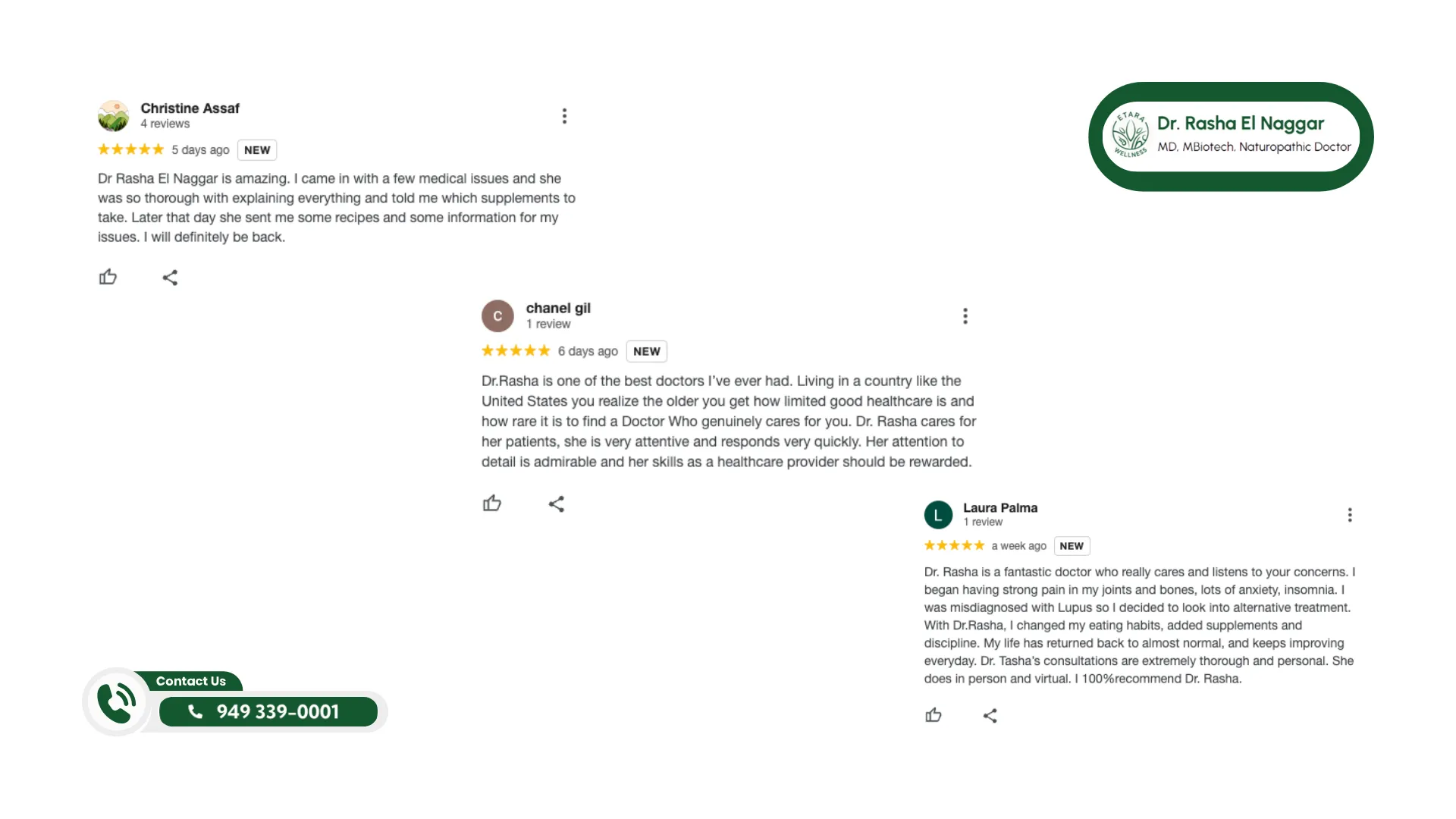
Hear from Our Delighted Clients About Dr. Rasha El Naggar
At Etara Wellness, we’re proud to provide personalized, holistic healthcare that makes a real difference in our patients’ lives. Here’s what some of our patients have shared about their experiences with Dr. Rasha El Naggar:
“Dr. Rasha El Naggar is amazing. Her thoroughness in explaining everything and providing personalized supplement recommendations stood out. What impressed me most was her dedication to patient care – she even followed up the same day with recipes and additional information tailored to my health concerns. I will be returning for future care.” – Christine Assaf.
“Finding Dr. Rasha has been transformative for my healthcare journey. In a healthcare landscape where personal attention is increasingly rare, Dr. Rasha stands out for her genuine care and commitment to her patients. Her remarkable attention to detail matches her exceptional attentiveness and quick responsiveness. As someone who has experienced the limitations of modern healthcare in the United States, I can confidently say Dr. Rasha represents the kind of healthcare provider we all deserve – one who truly puts patients first.” – Chanel Gil.
“My journey with Dr. Rasha began after a misdiagnosis of Lupus when I was struggling with severe joint and bone pain, anxiety, and insomnia. Turning to her alternative treatment approach proved to be life-changing. Through her guidance, I implemented crucial changes to my eating habits, incorporated targeted supplements, and developed better discipline in my health routine. The results have been remarkable – my life has returned to almost normal and continues to improve daily. Dr. Rasha’s consultations are extraordinarily thorough and personalized, available both in-person and virtually. I wholeheartedly recommend Dr. Rasha to anyone seeking comprehensive, attentive healthcare.” – Laura Palma.
Conclusion
Recognizing the six key symptoms of hormonal imbalance is crucial for maintaining overall health and well-being. These symptoms, including persistent fatigue, unexplained weight changes, mood swings, sleep disturbances, low libido, and menstrual irregularities, can significantly impact quality of life and indicate the need for hormonetherapy.
Seeking professional help from a naturopathicdoctor at Etara Wellness can provide personalized solutions through bioidentical or traditional hormone therapies and natural approaches to support hormonal health. By addressing these symptoms promptly and effectively, individuals can take control of their hormonal health and experience improved vitality and balance in their lives.
Disclaimer: This content is for educational purposes only and not intended as medical advice. Consult a healthcare professional for any medical concerns.
—————————————————————————————————————————————–
Dr. Rasha El Naggar, MD, Ms.Biotech, ND – Founder of Etara Wellness
Dr. Rasha El Naggar is a distinguished Naturopathic Doctor, who melds rigorous scientific training with a holistic approach to wellness. Her academic journey commenced at Ain Shams University, Egypt, where she was awarded her MD, followed by an MS in Biotechnology from Johns Hopkins University. Dr. El Naggar further honed her expertise in naturopathic medicine at Bastyr University, San Diego, embodying a profound commitment to integrative health practices.
Based in Orange County, California, Dr. El Naggar is renowned for her personalized care in hormonal regulation, weight management, gut health, mental well-being, and regenerative medicine. Her health challenges catalyzed her passion for naturopathy, fostering a deep empathy and a holistic methodology in patient care.
As the visionary behind Etara Wellness, Dr. El Naggar integrates ancient healing traditions with contemporary scientific evidence. Her mission is to empower individuals to achieve balance, vitality, and optimal health. Dr. El Naggar’s professional narrative is characterized by resilience, innovation, and a relentless pursuit of wellness, making her a vanguard in naturopathic medicine.